Mycobacterium avium-intracellulare was considered relatively harmless until the late 20th century, when it became common in certain infections. Explain how this bacterium’s pathogenicity changed.
Ch. 19 - Pathogenic Gram-Positive Bacteria
19장, 문제 4
Explain how mice are used in the diagnosis of botulism poisoning.
검증된 단계별 안내1
Understand that botulism is caused by a neurotoxin produced by the bacterium Clostridium botulinum, which can be detected by its effect on living organisms.
Recognize that mice are used in a bioassay to detect the presence of botulinum toxin because they are sensitive to the toxin's effects, which cause characteristic symptoms.
In the diagnostic test, a sample suspected of containing botulinum toxin (such as food, serum, or stool) is injected into mice, usually intraperitoneally.
Observe the mice for specific signs of botulism poisoning, such as paralysis, weakness, respiratory distress, and eventual death, which indicate the presence of the toxin.
Confirm the diagnosis by comparing the symptoms in test mice with control mice and, if necessary, by neutralizing the toxin with specific antitoxins to verify that symptoms are due to botulinum toxin.

비슷한 문제에 대한 검증된 영상 답변:
이 영상 해법은 위 문제에 도움이 된다고 튜터들이 추천한 것입니다.
영상 길이:
3m주요 개념
질문에 올바르게 답하기 위해 반드시 이해해야 하는 핵심 개념들은 다음과 같습니다.
Botulism and Its Toxin
Botulism is a serious illness caused by botulinum toxin produced by Clostridium botulinum bacteria. The toxin blocks nerve function, leading to paralysis. Understanding the nature and effects of this toxin is essential for grasping how diagnosis is performed.
추천 영상:
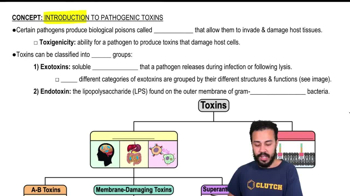
Introduction to Pathogenic Toxins
Mouse Bioassay for Botulinum Toxin Detection
The mouse bioassay is a traditional diagnostic test where suspected samples are injected into mice to observe symptoms of botulism, such as paralysis or death. This method detects the presence and potency of botulinum toxin in clinical or food samples.
추천 영상:
Introduction to Pathogenic Toxins
Ethical and Practical Considerations in Animal Testing
Using mice in diagnosis raises ethical concerns and requires careful handling to minimize suffering. Alternatives and refinements are being developed, but understanding the role and limitations of animal testing is important for interpreting diagnostic results.
추천 영상:
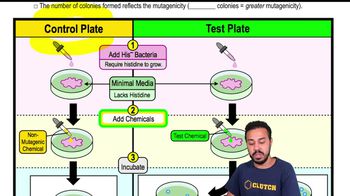
The Ames Test
관련 실천
교과서 질문
1136
views
교과서 질문
Which of the following conditions is a systemic disease caused by Staphylococcus?
a. Impetigo
b. Folliculitis
c. Carbuncle
d. Toxic shock syndrome
1106
views
교과서 질문
A bacterium associated with bacteremia, meningitis, and pneumonia in newborns is
a. Staphylococcus aureus
b. Staphylococcus epidermidis
c. Streptococcus pyogenes
d. Streptococcus agalactiae
1214
views
교과서 질문
Which type of anthrax is more common in animals and in humans?
a. Cutaneous anthrax
b. Inhalation anthrax
c. Gastrointestinal anthrax
d. Mucoid anthrax
1129
views
교과서 질문
Why do pediatricians recommend that children under one year never be fed honey?
1063
views
교과서 질문
Contrast tuberculoid leprosy with lepromatous leprosy in terms of pathogenesis. How does the cellular immune response of a patient affect the form of the disease?
1128
views