Ch. 19 - Pathogenic Gram-Positive Bacteria
Bauman - Microbiology with Diseases by Taxonomy 6th Edition
Bauman6th EditionMicrobiology with Diseases by TaxonomyISBN: 9780134832302당신이 사용하는 게 아니라요?교과서 변경
19장, 문제 2

Mycobacterium avium-intracellulare was considered relatively harmless until the late 20th century, when it became common in certain infections. Explain how this bacterium’s pathogenicity changed.

검증된 단계별 안내
1
Step 1: Understand the nature of Mycobacterium avium-intracellulare (MAI) complex, which is a group of environmental mycobacteria typically found in soil and water and was originally considered non-pathogenic or of low virulence in healthy individuals.
Step 2: Recognize that the change in pathogenicity is linked to the rise of immunocompromised populations, especially individuals with HIV/AIDS, where the immune system is weakened and unable to control opportunistic infections effectively.
Step 3: Explore how MAI complex bacteria exploit weakened immune defenses, leading to disseminated infections that were previously rare or unnoticed in healthy hosts, thus increasing their clinical significance.
Step 4: Consider the role of advances in medical diagnostics and increased awareness, which led to more frequent identification and reporting of MAI infections, contributing to the perception of increased pathogenicity.
Step 5: Summarize that the apparent change in pathogenicity is due to a combination of host factors (immunosuppression), environmental exposure, and improved detection methods, rather than a fundamental change in the bacterium itself.

비슷한 문제에 대한 검증된 영상 답변:

이 영상 해법은 위 문제에 도움이 된다고 튜터들이 추천한 것입니다.
영상 길이:
2m
도움이 되었나요?

주요 개념

질문에 올바르게 답하기 위해 반드시 이해해야 하는 핵심 개념들은 다음과 같습니다.

Opportunistic Pathogens

Opportunistic pathogens are microbes that normally do not cause disease in healthy individuals but can cause infections when the host's immune system is weakened. Mycobacterium avium-intracellulare became more pathogenic as it exploited immunocompromised conditions, such as in AIDS patients.
추천 영상:
가이드 코스
03:40
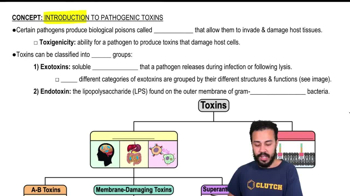
Introduction to Pathogenic Toxins

Host Immune Status and Disease Susceptibility

The immune system plays a critical role in controlling infections. Changes in host immunity, like immunodeficiency or immunosuppression, increase susceptibility to infections by organisms previously considered harmless, allowing bacteria like M. avium-intracellulare to cause disease.
추천 영상:
가이드 코스
03:22
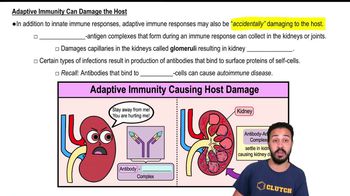
Adaptive Immunity Can Damage the Host

Environmental and Epidemiological Factors

Environmental exposure and epidemiological changes, including increased use of immunosuppressive therapies and the HIV/AIDS epidemic, contributed to the rise in infections by M. avium-intracellulare. These factors altered the bacterium’s impact on human health by increasing opportunities for infection.
추천 영상:
가이드 코스
07:21
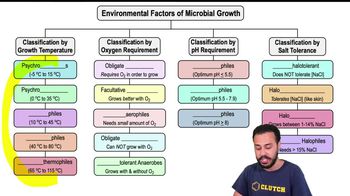
Reviewing the Environmental Factors of Microbial Growth