Ch. 6 - Microbial Nutrition and Growth
Bauman - Microbiology with Diseases by Taxonomy 6th Edition
Bauman6th EditionMicrobiology with Diseases by TaxonomyISBN: 9780134832302당신이 사용하는 게 아니라요?교과서 변경
6장, 문제 6

Cells that shrink in hypertonic solutions such as saltwater are responding to ___________ pressure.
a. Optimum growth temperature
b. Maximum growth temperature
c. Minimum growth temperature
d. Metabolic threshold

검증된 단계별 안내
1
Understand the context: Cells placed in a hypertonic solution, like saltwater, lose water and shrink due to the movement of water out of the cell.
Recall the concept of osmotic pressure, which is the pressure exerted by the movement of water across a semipermeable membrane driven by solute concentration differences.
Recognize that in a hypertonic environment, the external solute concentration is higher than inside the cell, causing water to move out to balance solute concentrations.
Identify that the pressure responsible for this water movement and cell shrinkage is called osmotic pressure.
Match the correct term from the options given, which relates to the pressure causing water to leave the cell in a hypertonic solution.

비슷한 문제에 대한 검증된 영상 답변:

이 영상 해법은 위 문제에 도움이 된다고 튜터들이 추천한 것입니다.
영상 길이:
2m
도움이 되었나요?

주요 개념

질문에 올바르게 답하기 위해 반드시 이해해야 하는 핵심 개념들은 다음과 같습니다.

Osmotic Pressure

Osmotic pressure is the force exerted by the movement of water across a semipermeable membrane due to solute concentration differences. In hypertonic solutions, water moves out of the cell, causing it to shrink. This concept explains how cells respond to environments with varying solute concentrations.
추천 영상:
가이드 코스
02:37
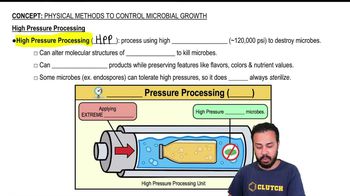
High Pressure Processing

Hypertonic Solutions

A hypertonic solution has a higher solute concentration than the cell's interior, leading to water loss from the cell by osmosis. This results in cell shrinkage or plasmolysis, which affects cell function and survival. Understanding hypertonic environments is key to predicting cellular responses.
추천 영상:
가이드 코스
02:19
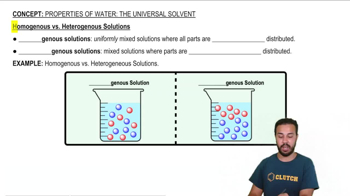
Homogenous vs. Heterogenous Solutions

Cellular Response to Environmental Stress

Cells adapt or respond to environmental stresses like changes in solute concentration or temperature. Shrinking in hypertonic solutions is a physical response to osmotic stress, distinct from growth temperature effects or metabolic thresholds, which relate to biochemical activity and viability.
추천 영상:
가이드 코스
01:32
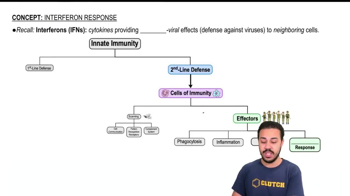
Interferon Response