Ch. 11 - Innate Immunity
Norman-McKay- Microbiology: Basic and Clinical Principles 2nd Edition
Norman-McKay2nd EditionMicrobiology: Basic and Clinical PrinciplesISBN: 9780137661619당신이 사용하는 게 아니라요?교과서 변경
7장, 문제 12

____________ are innate molecular defenses that collectively limit free iron in the blood. Examples of these factors in humans include ____________, ____________, ____________, and ____________.

검증된 단계별 안내
1
Step 1: Understand the concept of innate molecular defenses related to iron limitation. These are proteins and molecules naturally present in the body that bind free iron, making it unavailable to pathogens, which require iron for growth.
Step 2: Identify the general term for these innate molecular defenses. They are collectively known as 'iron-binding proteins' or 'iron-sequestering proteins' that limit free iron in the blood.
Step 3: Recall specific examples of these iron-binding proteins in humans. Common examples include transferrin, lactoferrin, ferritin, and hemopexin.
Step 4: Understand the role of each example: transferrin transports iron in the blood; lactoferrin is found in secretions and neutrophils; ferritin stores iron intracellularly; and hemopexin binds free heme to prevent iron loss and oxidative damage.
Step 5: Summarize the answer by filling in the blanks: The innate molecular defenses that limit free iron in the blood are iron-binding proteins, including transferrin, lactoferrin, ferritin, and hemopexin.

비슷한 문제에 대한 검증된 영상 답변:

이 영상 해법은 위 문제에 도움이 된다고 튜터들이 추천한 것입니다.
영상 길이:
2m
도움이 되었나요?

주요 개념

질문에 올바르게 답하기 위해 반드시 이해해야 하는 핵심 개념들은 다음과 같습니다.

Innate Molecular Defenses

Innate molecular defenses are non-specific, natural mechanisms present from birth that protect the body against pathogens. They include proteins and molecules that act quickly to inhibit microbial growth, such as by limiting essential nutrients like iron, which microbes need to survive.
추천 영상:
03:20
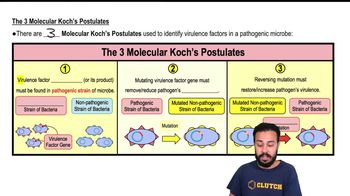
The 3 Molecular Koch's Postulates

Iron Sequestration in Host Defense

Iron sequestration is a host defense strategy where the body limits free iron availability to prevent microbial proliferation. Since many pathogens require iron for metabolism and growth, proteins that bind and sequester iron reduce its accessibility, thereby inhibiting infection.
추천 영상:
01:59
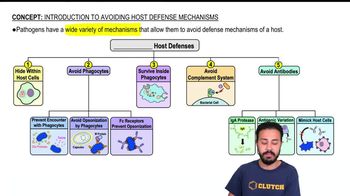
Introduction to Avoiding Host Defense Mechanisms

Examples of Iron-Binding Proteins in Humans

Key human iron-binding proteins include transferrin, lactoferrin, ferritin, and hemoglobin. These proteins bind iron tightly, reducing free iron in blood and tissues, thus restricting microbial access and contributing to innate immunity.
추천 영상:
05:46
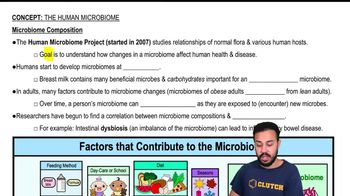
Microbiome Composition