 뒤로
뒤로Nutrients Important for Bone Health: Structure, Function, and Prevention of Osteoporosis
스터디 가이드 - 스마트 노트
 자료에 맞춘 맞춤형 노트, 핵심 정의, 예시, 맥락을 확장해 제공합니다.
Nutrients Important for Bone Health
Section 9.1: Bone Structure and Function
The skeletal system is a dynamic organ system essential for movement, support, protection, blood cell synthesis, and mineral storage. Bones are living tissues that undergo continuous remodeling throughout life.
Movement and Support: Bones and connective tissues (cartilage, tendons, ligaments) enable movement and provide structural support for the body.
Protection: The skeleton protects vital organs such as the brain, heart, and lungs.
Blood Cell Synthesis: Red and white blood cells and platelets are produced in the bone marrow.
Mineral Storage: Bones act as reservoirs for minerals, especially calcium, phosphorus, and magnesium.
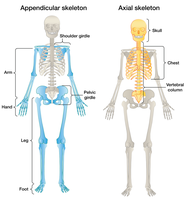
Bone Anatomy and Structure
Axial Skeleton: Includes the skull, vertebral column, and rib cage (80 bones).
Appendicular Skeleton: Includes the shoulder girdle, pelvic girdle, and limbs (126 bones).
Bone Types: Long, short, flat, and irregular bones.
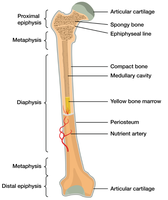
Bone Composition: About 65% inorganic mineralized matrix (mainly hydroxyapatite, a crystal of calcium and phosphorus) and 35% organic material.
Bone Tissues:
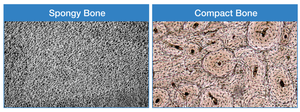
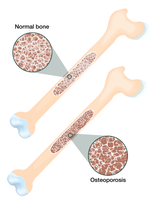
Trabecular (spongy) bone: Porous, found at the ends of long bones and inside vertebrae.
Cortical (compact) bone: Dense, forms the outer layer of bones.
Bone Cells:
Osteoblasts: Build new bone tissue.
Osteoclasts: Break down bone tissue.
Osteocytes: Mature bone cells that maintain bone tissue.
Bone Remodeling: The process of breaking down and rebuilding bone at the same location, essential for bone health and adaptation to stress.
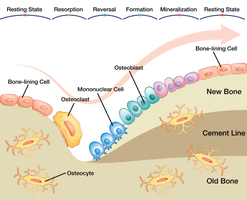
Bone Resorption: Osteoclasts secrete hydrogen ions to dissolve bone minerals.
Osteoid: Non-mineralized bone tissue.
Key Takeaways
The skeletal system supports movement, organ protection, blood cell synthesis, and mineral storage.
Bones are living tissues that adapt to mechanical stress via remodeling, involving osteocytes, osteoclasts, and osteoblasts.
Remodeling requires nutrients such as calcium, phosphorus, magnesium, fluoride, vitamin D, and vitamin K.
Section 9.2: Micronutrients Essential for Bone Health: Calcium and Vitamin D
Calcium and vitamin D are critical for bone health, playing roles in bone formation, maintenance, and metabolic regulation.
Calcium
Most abundant mineral in the body.
Functions:
Bone and tooth formation
Nerve impulse transmission
Muscle contraction
Blood clotting
Insulin release and glycogen breakdown
Regulation: Blood calcium is tightly regulated by three hormones:
Parathyroid hormone (PTH): Increases blood calcium by stimulating bone resorption, kidney reabsorption, and intestinal absorption (with vitamin D).
Calcitriol: Active form of vitamin D, increases calcium absorption in the intestines.
Calcitonin: Lowers blood calcium by inhibiting bone resorption and increasing excretion.
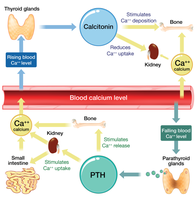
Dietary Sources: Dairy products, fortified foods, tofu, leafy greens (broccoli, kale, mustard greens, brussel sprouts).
Other Benefits: May reduce risk of colon cancer, lower blood pressure, and prevent kidney stones.
Vitamin D
Fat-soluble vitamin derived from cholesterol.
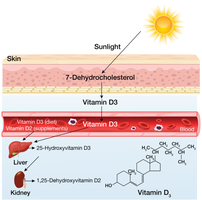
Sources: Sunlight (UVB rays convert 7-dehydrocholesterol in skin to vitamin D3), fatty fish (e.g., salmon), fortified foods.
Activation: Vitamin D3 is converted to calcidiol in the liver, then to active calcitriol in the kidneys.
Functions: Enhances calcium absorption, regulates bone mineralization, supports immune function, and reduces risk of certain diseases.
Deficiency Diseases:
Nutritional rickets: Childhood disease causing soft, weak bones.
Osteomalacia: Adult equivalent, resulting in bone softening.
Other Benefits: May decrease risk of type 1 diabetes, multiple sclerosis, tuberculosis, respiratory infections, and certain cancers.
Key Takeaways
Calcium is essential for bone strength, nerve function, muscle contraction, and blood clotting.
Vitamin D is necessary for calcium absorption and bone health.
Recommended Dietary Allowance (RDA): Calcium (1,000–1,200 mg/day for adults), Vitamin D (15–20 μg/day for adults).
Bioavailability of calcium is enhanced by vitamin D and estrogen, but reduced by high oxalate/fiber diets and low fat intake.
Section 9.3: Other Essential Micronutrients for Bone Health
Several other micronutrients are vital for maintaining bone health, including phosphorus, magnesium, fluoride, and vitamin K.
Phosphorus
Second most abundant mineral in the body; 85% is in the skeleton.
Functions: Bone mineralization, energy metabolism, and as a food additive for texture and preservation.
Dietary Deficiency: Rare in the U.S. due to widespread presence in foods.
Magnesium
Part of mineralized bone tissue.
Functions: Bone maintenance, ATP reactions, DNA/RNA synthesis, nerve conduction, muscle contraction, and may reduce hypertension/type 2 diabetes risk.
Sources: Green leafy vegetables, fish, dairy, meats, whole grains, nuts, chocolate, coffee, hard water.

Fluoride
Blocks tooth decay and is part of bone tissue.
Sources: Fluoridated water.
Functions: Inhibits acid formation by bacteria, prevents demineralization, and enhances remineralization of enamel.
Vitamin K
Acts as a coenzyme for proteins involved in bone health and blood clotting.
Sources: Green vegetables (broccoli, cabbage, kale, parsley, spinach, lettuce).
Key Takeaways
Phosphorus is essential for bone structure but excessive intake can harm bone health.
Magnesium deficiency compromises bone health.
Fluoride prevents tooth decay and supports bone health.
Vitamin K is necessary for bone protein modification and normal blood clotting.
Section 9.4: Osteoporosis
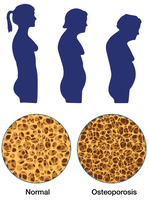
Osteoporosis is a disease characterized by excessive bone loss, leading to fragile bones and increased fracture risk.
Type 1 (Postmenopausal): Occurs in women 50–70 years old, associated with rapid estrogen decline and wrist/spine fractures.
Type 2 (Senile): Occurs after age 70, affects women more than men, associated with hip/spine fractures.
Peak Bone Mass: Maximum bone tissue developed, usually by early adulthood.
Bone Mineral Density (BMD): Measured by dual-energy X-ray absorptiometry (DEXA), predicts fracture risk.
Key Takeaways
BMD is an indicator of bone strength; low BMD leads to osteopenia and osteoporosis.
Osteoporosis is often silent until a fracture occurs and affects women more than men.
Section 9.5: Risk Factors for Osteoporosis
Osteoporosis risk is influenced by both nonmodifiable and modifiable factors.
Nonmodifiable Risk Factors
Age (over 40)
Female sex
Small body frame
White or Asian ethnicity
Low estrogen levels
Certain medications and diseases (e.g., glucocorticoids, anorexia nervosa, chronic kidney disease, diabetes, cancer)
Modifiable Risk Factors
Physical inactivity
Being underweight
Smoking, alcohol, and caffeine intake
Poor nutrition (low calcium/vitamin D, inadequate protein)
Key Takeaways
Nonmodifiable risks include age, sex, ethnicity, and genetics.
Modifiable risks include lifestyle factors and nutrition.
Section 9.6: Osteoporosis Prevention and Treatment
Prevention and treatment of osteoporosis involve building peak bone mass early and addressing risk factors throughout life.
Primary Prevention
Begins in childhood and adolescence; half of bone mass is built during puberty.
Key strategies: Adequate calcium and vitamins (A, C, D, E, K), weight-bearing exercise, and fall prevention.
BMD screening for at-risk groups (older adults, postmenopausal women, those with fractures or risk factors).
Secondary Prevention
Pyramid approach:
Base: Nutrition, physical activity, fall prevention
Middle: Treat underlying diseases/disorders
Top: Pharmacotherapy (medications)
Key Takeaways
Osteoporosis prevention starts early with diet and exercise.
Secondary prevention includes lifestyle changes, treating underlying causes, and medication if needed.
Section 9.7: Deficiency, Supplementation, and Choices
Certain groups are at higher risk for calcium inadequacy, and supplementation may be necessary for some individuals.
Groups at Risk for Calcium Inadequacy
Adolescents (due to decreased dairy intake)
Women with amenorrhea or the female athlete triad
Older adults and postmenopausal women (due to reduced estrogen and bioavailability)
Lactose-intolerant individuals and vegans (due to avoidance of dairy)
Calcium Supplementation
Common forms: Calcium carbonate, citrate, lactate, phosphate
Supplements should be taken with vitamin D for optimal benefit
Split doses (≤500 mg at a time) are more effective
Some natural-source supplements may contain lead
Other Dietary Choices Affecting Bone Health
High phosphate (e.g., from soda) can decrease bone health
Lactose-free diets may risk inadequate bone mineralization
Key Takeaways
At-risk groups should monitor calcium and vitamin D intake
Dietary sources are preferred; supplements are useful if dietary intake is insufficient
Excess calcium can impair absorption of other minerals and should not exceed recommended amounts
