 뒤로
뒤로Nutrients Important for Metabolism and Blood Function: Study Guide
스터디 가이드 - 스마트 노트
 자료에 맞춘 맞춤형 노트, 핵심 정의, 예시, 맥락을 확장해 제공합니다.
Nutrients Important for Metabolism and Blood Function
Blood’s Function in the Body and in Metabolism Support
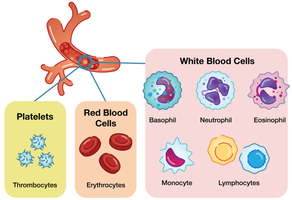
Blood is a fluid connective tissue essential for transporting nutrients, gases, and waste products throughout the body. Its components each play a distinct role in maintaining health and supporting metabolism.
Plasma: The liquid part of blood, mostly water, maintains fluid balance, blood pH, and regulates body temperature.
Red Blood Cells (Erythrocytes): Transport oxygen from the lungs to all cells; most numerous cells in blood.
White Blood Cells: Immune system cells that destroy foreign invaders.
Platelets (Thrombocytes): Cell fragments that plug wounds and initiate clotting.
Blood Vessels: Serve as highways for nutrient and waste transport.
Example: Blood delivers oxygen to the brain, supporting glucose metabolism for energy.
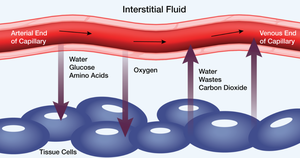
Capillary Exchange: Nutrients In and Wastes Out
As blood flows through capillaries, nutrients and oxygen are exchanged with tissues, while waste products are removed. This process is vital for cellular metabolism and overall health.
Arterial End: Delivers water, glucose, and amino acids to tissue cells.
Venous End: Removes water, carbon dioxide, and other wastes from tissue cells.
Blood Tests and Health Assessment
Blood tests measure biomarkers—molecules or traits linked to specific diseases or health conditions. These tests help assess overall health and disease risk.
Factors Influencing Blood Test Levels: Physical activity, diet, alcohol intake, and medication.
Key Parameters: Red and white blood cell counts, hemoglobin, iron content, and more.

Metabolism Overview
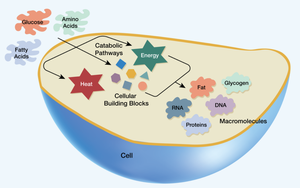
Metabolism: Catabolism and Anabolism
Metabolism encompasses all chemical reactions supporting cellular function. It is divided into catabolic (breakdown) and anabolic (building) pathways, which together manage energy and matter transport in the body.
Catabolism: Breaks down molecules to release energy.
Anabolism: Builds larger molecules, consuming energy.
Energy Metabolism: Pathways that release or store energy.
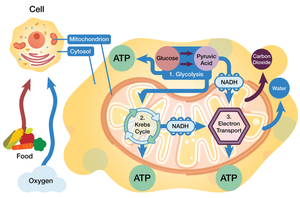
Stages of Catabolic Metabolism
Catabolic metabolism occurs in three main stages, each crucial for energy production from nutrients.
Stage 1: Glycolysis (glucose), β-oxidation (fatty acids), or amino acid catabolism.
Stage 2: Citric acid cycle (Krebs cycle).
Stage 3: Electron transport chain and ATP synthesis.
Formula: ATP synthesis is represented as:
Anabolic Pathways
Anabolic pathways are essential for building new tissues, energy storage molecules, and macromolecules. When energy is abundant, excess nutrients are stored as fat.
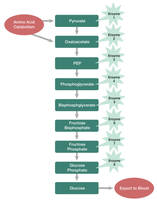
Gluconeogenesis: Formation of glucose from certain amino acids, mainly in the liver.
Lipogenesis: Formation of triglycerides for fat storage.
Vitamins Important for Metabolism and Blood Function
B Vitamins: Roles in Metabolism
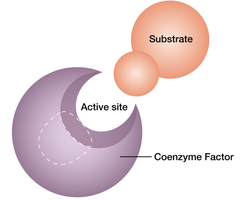
B vitamins act as coenzymes in metabolic pathways, supporting both energy release and macromolecule synthesis. Deficiencies can lead to severe health consequences.
Thiamine (B1): Coenzyme for glucose breakdown; required for RNA, DNA, and ATP synthesis. Deficiency causes beriberi and Wernicke-Korsakoff syndrome.
Riboflavin (B2): Component of flavoproteins in electron transport; deficiency causes ariboflavinosis.
Niacin (B3): Component of NADH and NADPH; deficiency causes pellagra (diarrhea, dermatitis, dementia, death).
Pantothenic Acid (B5): Required for coenzyme A synthesis; deficiency is rare.
Pyridoxine (B6): Coenzyme for amino acid metabolism and hemoglobin synthesis.
Biotin (B7): Coenzyme in citric acid cycle and lipid metabolism.
Folate (B9): Required for methionine, RNA, and DNA synthesis; deficiency causes macrocytic anemia and neural tube defects.
Cobalamin (B12): Needed for fat/protein catabolism, folate function, and hemoglobin synthesis; deficiency causes macrocytic and pernicious anemia.
Vitamin K: Functions in Metabolism and Blood
Vitamin K is essential for bone metabolism and blood clotting. Deficiency leads to bleeding disorders and increased risk in individuals with malabsorption conditions.
Symptoms: Nosebleeds, easy bruising, bleeding gums, heavy menstrual bleeding.
At-risk groups: Individuals with liver or pancreatic disease.
Minerals Important for Metabolism and Blood Function
Minerals: Roles in Metabolism and Blood
Minerals serve as cofactors for enzymes involved in metabolism and blood function. They are not energy sources but are critical for metabolic reactions.
Magnesium: Cofactor in ATP synthesis and hundreds of reactions.
Iron: Oxygen carrier in hemoglobin; deficiency is common and leads to anemia.
Zinc: Required for RNA, DNA, and protein synthesis.
Iodine: Essential for thyroid hormone synthesis; deficiency causes goiter and cretinism.
Selenium: Cofactor for thyroid hormone activation.
Copper: Assists in electron transport and iron absorption.
Manganese: Cofactor for glucose production and amino acid catabolism.
Chromium: Enhances insulin action.
Iron Deficiency Anemia
Iron Deficiency Anemia: Signs, Symptoms, and Treatment
Iron deficiency anemia is the most prevalent nutritional deficiency worldwide, affecting populations at risk and causing significant health impacts.
Signs and Symptoms: Fatigue, weakness, pale skin, shortness of breath, dizziness, swollen tongue, abnormal heart rate.
Treatment: Iron supplements, increased dietary iron, vitamin C intake, avoiding phytate-rich foods.
Example: Consuming orange juice with iron-rich foods enhances iron absorption.
Preventing Iron Deficiency Anemia
Global interventions include supplementation, food fortification, malaria prevention, and treatment of parasitic infections.
At-risk populations: Infants, children, adolescents, women.
Prevention strategies: Iron supplements, fortified foods, insecticide-treated bed nets, iron cookware.
Summary Table: B-Vitamin Functions and Deficiency Syndromes
Vitamin | Main Function | Deficiency Syndrome |
|---|---|---|
Thiamine (B1) | Glucose breakdown, RNA/DNA synthesis | Beriberi, Wernicke-Korsakoff |
Riboflavin (B2) | Electron transport | Ariboflavinosis |
Niacin (B3) | NADH/NADPH synthesis | Pellagra |
Pantothenic Acid (B5) | Coenzyme A synthesis | Rare |
Pyridoxine (B6) | Amino acid metabolism | Muscle weakness, dermatitis |
Biotin (B7) | Citric acid cycle, lipid metabolism | Hair loss (rare) |
Folate (B9) | RNA/DNA synthesis | Macrocytic anemia, neural tube defects |
Cobalamin (B12) | Fat/protein catabolism | Macrocytic, pernicious anemia |
Summary Table: Mineral Functions and Deficiency Syndromes
Mineral | Main Function | Deficiency Syndrome |
|---|---|---|
Magnesium | ATP synthesis | Tremor, muscle spasms |
Iron | Oxygen transport | Anemia |
Zinc | RNA/DNA synthesis | Growth retardation, hair loss |
Iodine | Thyroid hormone synthesis | Goiter, cretinism |
Selenium | Thyroid hormone activation | Rare |
Copper | Electron transport, iron absorption | Rare |
Manganese | Glucose production | Rare |
Chromium | Insulin action | Rare |
Additional info: Tables were inferred and expanded for completeness based on textbook context.
