 뒤로
뒤로Alcohols: Structure, Nomenclature, Acidity, Synthesis, and Reactions
스터디 가이드 - 스마트 노트
 자료에 맞춘 맞춤형 노트, 핵심 정의, 예시, 맥락을 확장해 제공합니다.
Alcohols: Structure and Classification
Definition and Structure of Alcohols
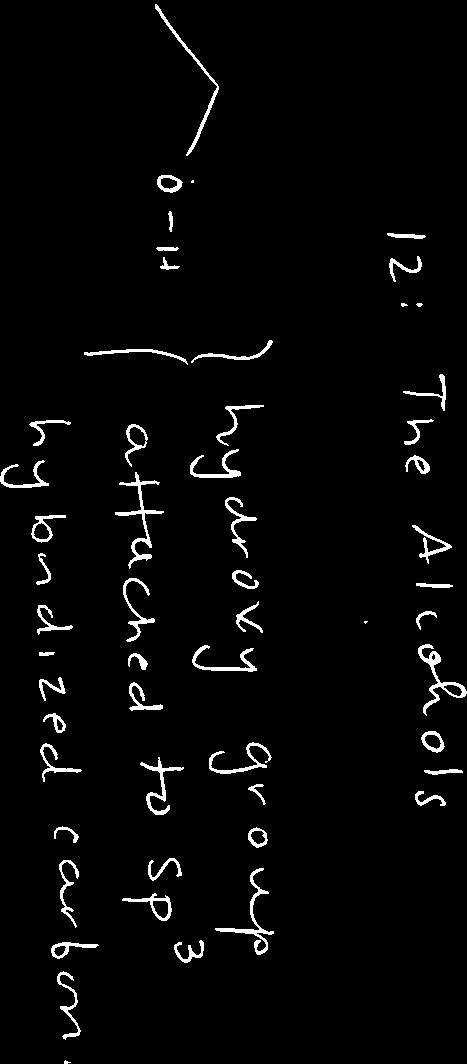
Alcohols are organic compounds characterized by the presence of a hydroxyl group (-OH) attached to an sp3-hybridized carbon atom. The general formula for a simple alcohol is R-OH, where R is an alkyl group.
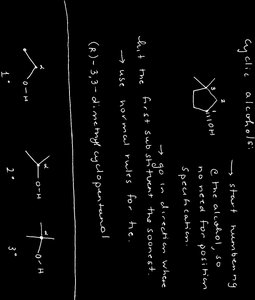
Primary (1°) alcohol: The carbon bearing the -OH group is attached to one other carbon.
Secondary (2°) alcohol: The carbon bearing the -OH group is attached to two other carbons.
Tertiary (3°) alcohol: The carbon bearing the -OH group is attached to three other carbons.
Nomenclature of Alcohols
IUPAC Rules for Naming Alcohols
The systematic naming of alcohols follows IUPAC conventions, ensuring clarity and consistency in chemical communication.
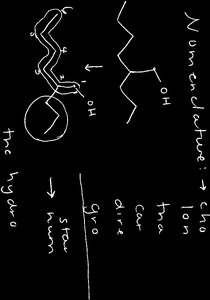
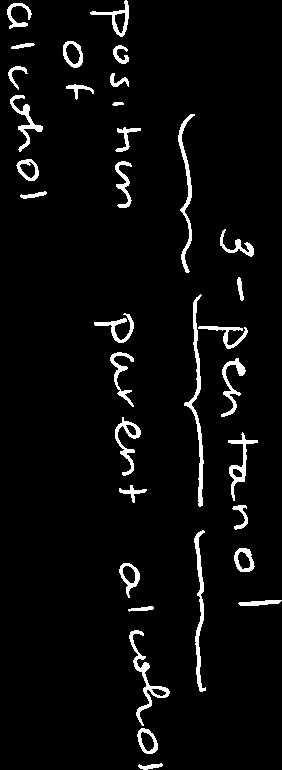
Identify the longest carbon chain containing the carbon bonded to the hydroxyl group. This chain forms the parent name.
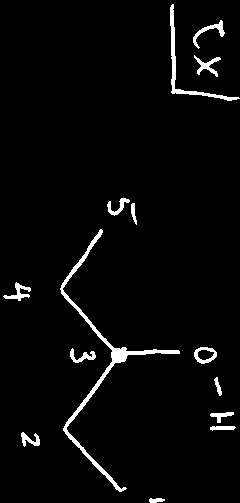
Number the chain so that the carbon attached to the -OH group gets the lowest possible number.
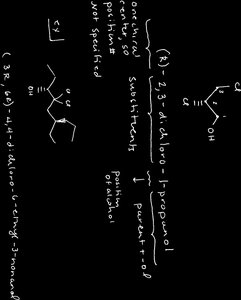
Indicate the position of the -OH group by a number placed before the parent name.
Name and number substituents (alkyl groups, halides, etc.) in alphabetical order, giving the lowest possible numbers to the substituents and the -OH group.
For cyclic alcohols, the -OH group is assumed to be on carbon 1, and numbering proceeds to give substituents the lowest possible numbers.



Acidity of Alcohols
Deprotonation and pKa Values
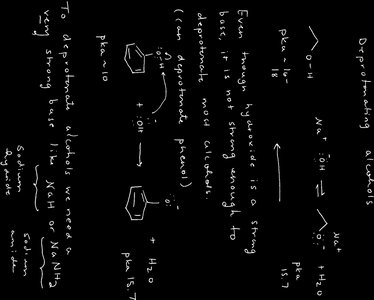
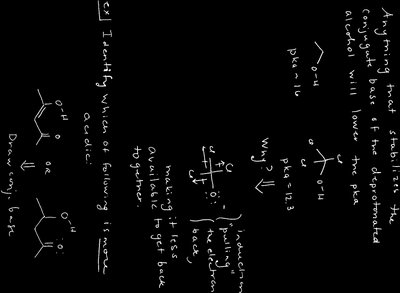
The acidity of alcohols is measured by their pKa values. Alcohols are weak acids, but their conjugate bases (alkoxides) can be stabilized by resonance or inductive effects, affecting their acidity.
Alcohols typically have pKa values around 16-18.
Phenols are more acidic (pKa ~10) due to resonance stabilization of the phenoxide ion.
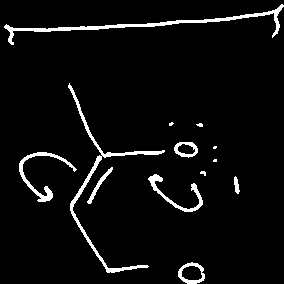
Deprotonation of alcohols requires a strong base (e.g., NaH, NaNH2).
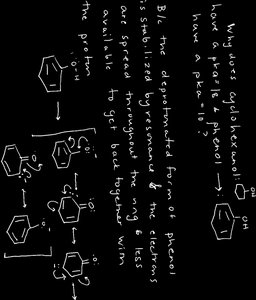
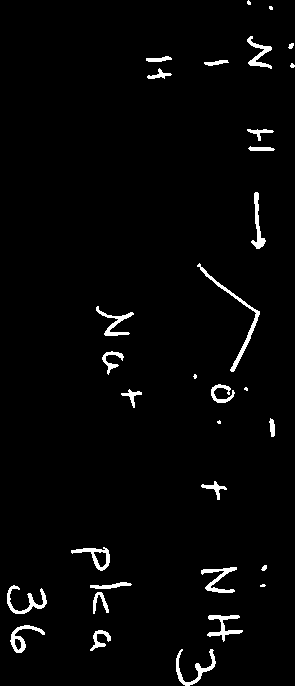


Factors that stabilize the conjugate base (e.g., resonance, inductive effects) will lower the pKa and increase acidity.
Synthesis of Alcohols
General Methods for Alcohol Synthesis
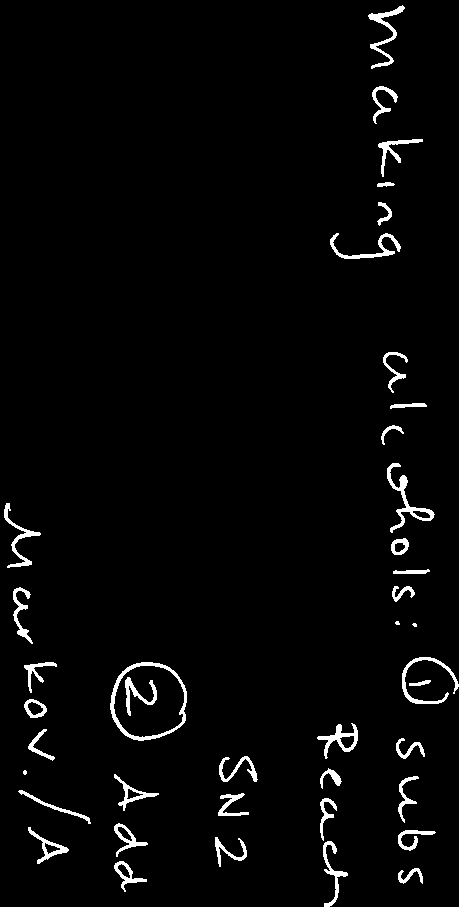
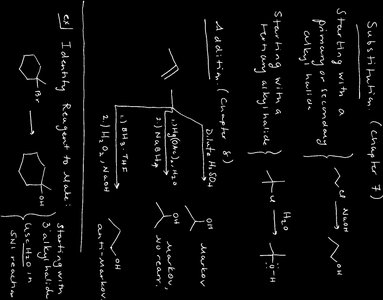
Alcohols can be synthesized by several methods, including substitution, addition, and reduction reactions.
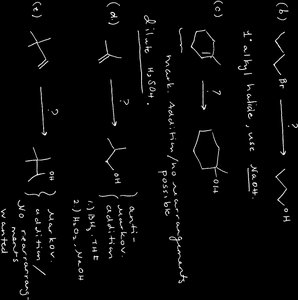
Nucleophilic substitution (SN2): Alkyl halides react with hydroxide ion to form alcohols.
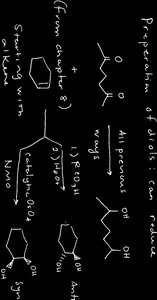
Addition reactions: Hydration of alkenes (Markovnikov or anti-Markovnikov) yields alcohols.
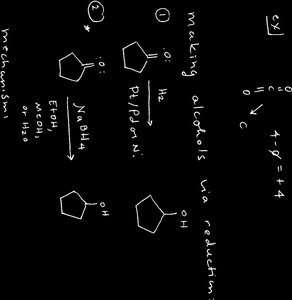
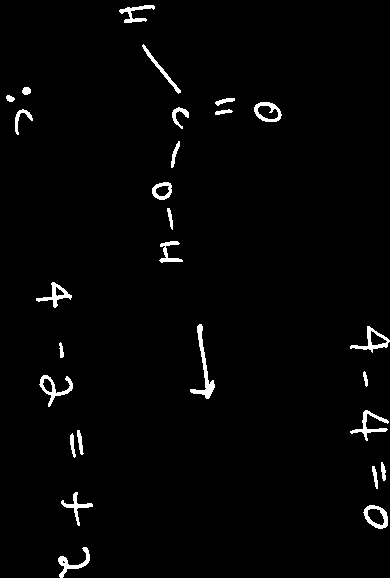
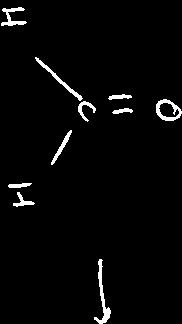
Reduction of carbonyl compounds: Aldehydes, ketones, carboxylic acids, and esters can be reduced to alcohols using reagents like NaBH4 or LiAlH4.
Preparation of Alcohols via Grignard Reagents
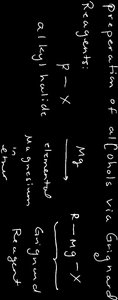
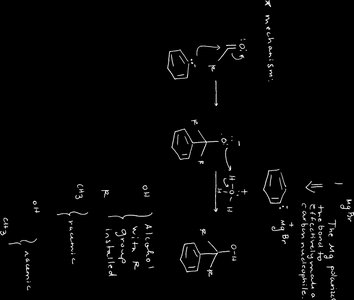
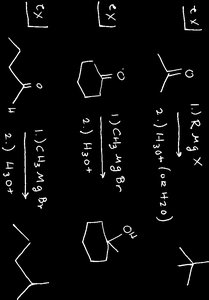
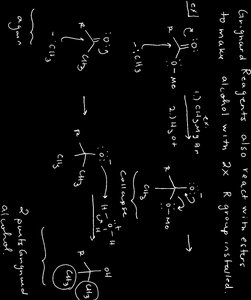
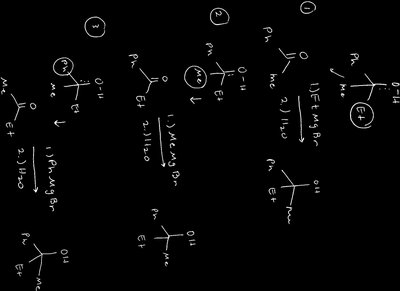
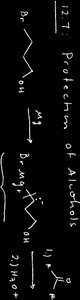
Grignard reagents (RMgX) are powerful nucleophiles that react with carbonyl compounds to form alcohols after hydrolysis.
Preparation: Alkyl halide reacts with magnesium in ether to form the Grignard reagent.
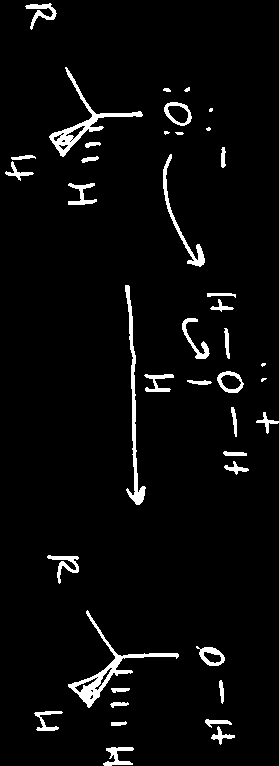
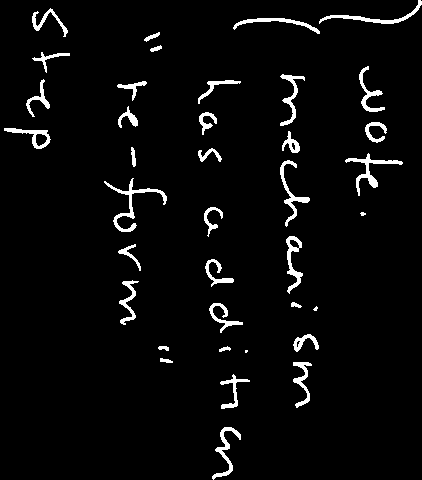
Reaction: Grignard reagent adds to aldehydes, ketones, esters, or other carbonyl compounds, followed by aqueous workup to yield alcohols.
 \
\
Protection of Alcohols
Protecting Groups for Alcohols
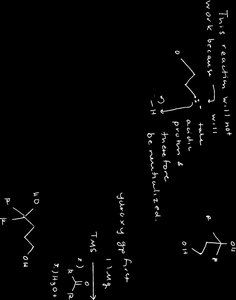
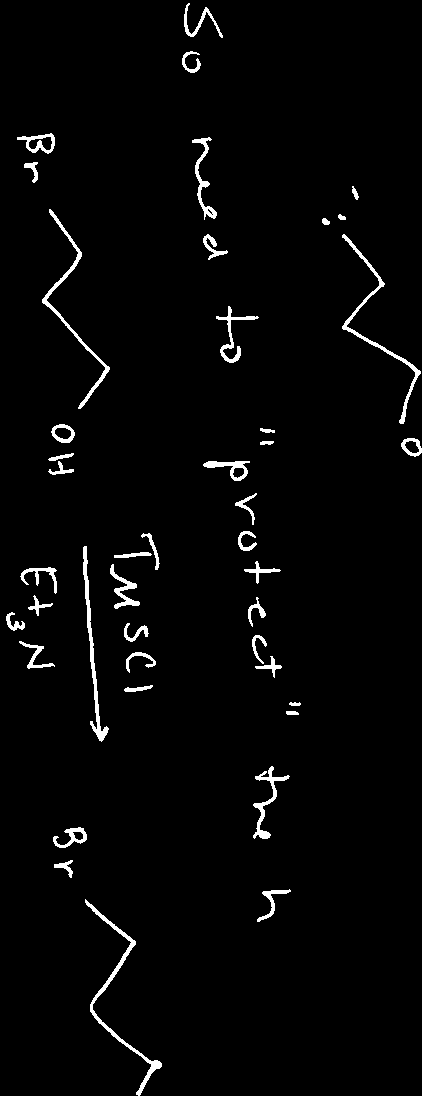
Alcohols can interfere with certain reactions, so they are often temporarily converted to protected forms (e.g., silyl ethers) and later regenerated.
Protection: Alcohol reacts with trimethylsilyl chloride (TMSCl) and base to form a silyl ether.
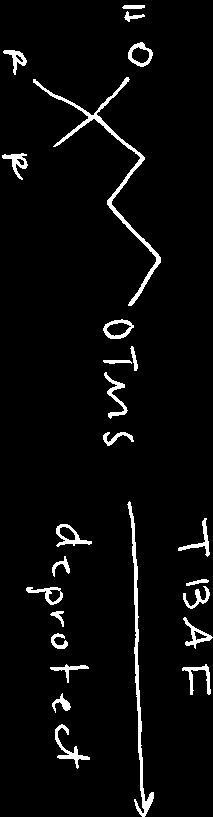
Deprotection: Silyl ether is converted back to alcohol using fluoride ion (e.g., TBAF).


Reactions of Alcohols
Substitution and Elimination Reactions
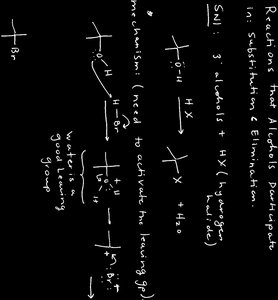
Alcohols can undergo substitution (SN1, SN2) and elimination (E1, E2) reactions, often after activation of the hydroxyl group to a better leaving group.
Activation: Alcohols are converted to better leaving groups (e.g., tosylates, halides) before substitution or elimination.
SN1 and E1: Tertiary alcohols react with strong acids to form carbocations, leading to substitution or elimination.
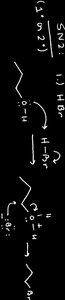
SN2: Primary alcohols can react via SN2 after conversion to a tosylate or halide.
Oxidation of Alcohols
Alcohols can be oxidized to aldehydes, ketones, or carboxylic acids depending on their structure and the oxidizing agent used.
Primary alcohols: Oxidized to aldehydes (PCC) or carboxylic acids (KMnO4, Na2Cr2O7).
Secondary alcohols: Oxidized to ketones.
Tertiary alcohols: Generally resistant to oxidation.
Summary Table: Alcohols—Structure, Synthesis, and Reactions
Aspect | Details |
|---|---|
Structure | R-OH, hydroxyl group on sp3 carbon |
Nomenclature | Longest chain with -OH, lowest number to -OH, substituents in alphabetical order |
Acidity | pKa ~16-18 (alcohols), ~10 (phenols); stabilized by resonance/inductive effects |
Synthesis | Substitution, addition, reduction, Grignard reagents |
Protection | TMSCl for silyl ethers, TBAF for deprotection |
Reactions | Substitution (SN1/SN2), elimination (E1/E2), oxidation |
