뒤로

Alcohols: Structure, Nomenclature, Acidity, Synthesis, and Reactions

학습 가이드 - 영상으로 배우기

업로드한 자료에 맞춘 엄선된 수업 – 모든 주제를 단계별로 배워보세요.

Functional Groups

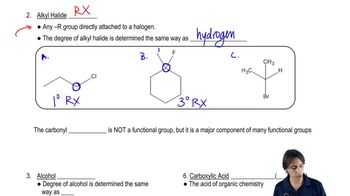
  • Assigning Degrees to Alkyl Halides
    01:30
  • Why we need functional groups.
    01:49
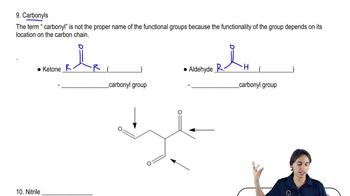
  • The difference between aldehydes and ketones.
    03:08

IUPAC Naming

  • Naming the root chain
    01:02
  • Provide the IUPAC name for the following alkane
    07:08
  • The different parts of an IUPAC name
    03:43

Alcohol Nomenclature

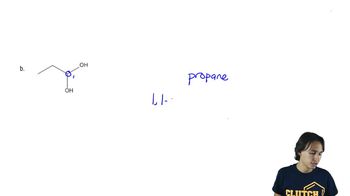
  • Provide the correct common and IUPAC name.
    01:49
  • How to name polyols.
    01:47
  • Provide the correct common and IUPAC name.
    00:59

Acids and Bases

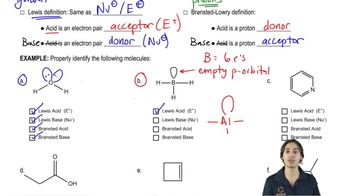
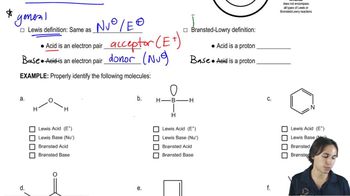
  • Lewis vs. Bronsted-Lowry Definition
    07:46
  • The Bronsted-Lowry definition of acids and bases.
    00:54
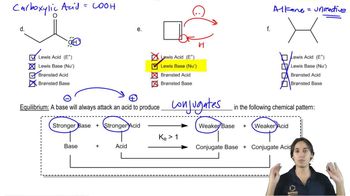
  • Equilibrium constant and conjugates.
    02:11

pKa

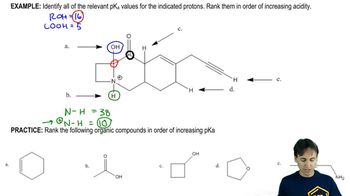
  • Identifying pKa values
    07:45
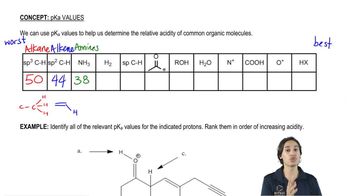
  • The 12 pKa values you want to memorize (because they are important!).
    09:36

Acid Base Equilibrium

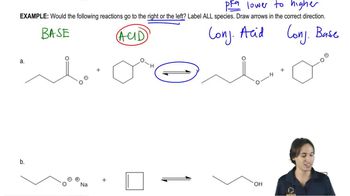
  • The 3 steps for determining the direction of acid and base equilibrium.
    05:11
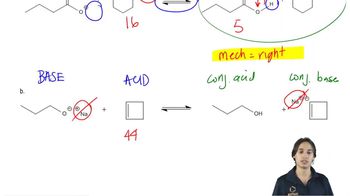
  • Determining Acid/Base Equilibrium
    04:00
  • Determining Acid/Base Equilibrium
    02:34

Ranking Acidity

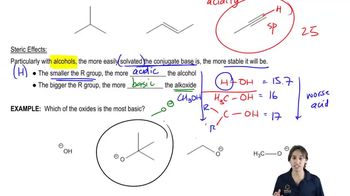
  • Which of the oxides is the most basic?
    00:30
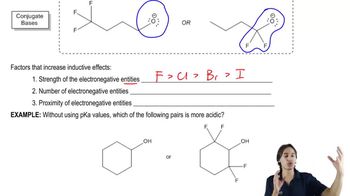
  • The 3 factors that determine the strength of inductive effects.
    03:09
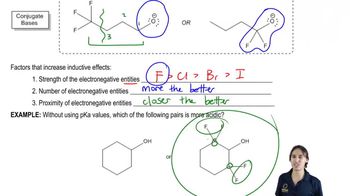
  • Using Inductive Effect to determine acidity
    01:54

Nucleophilic Substitution

  • Predict the product
    05:55
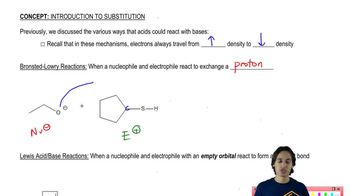
  • Nucleophiles and Electrophiles can react in Bronsted-Lowry Reactions.
    05:01
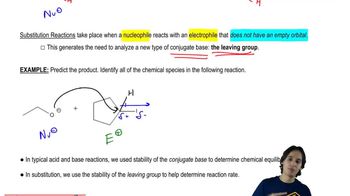
  • Nucleophiles and Electrophiles can react in Substitution Reactions.
    01:47

Good Leaving Groups

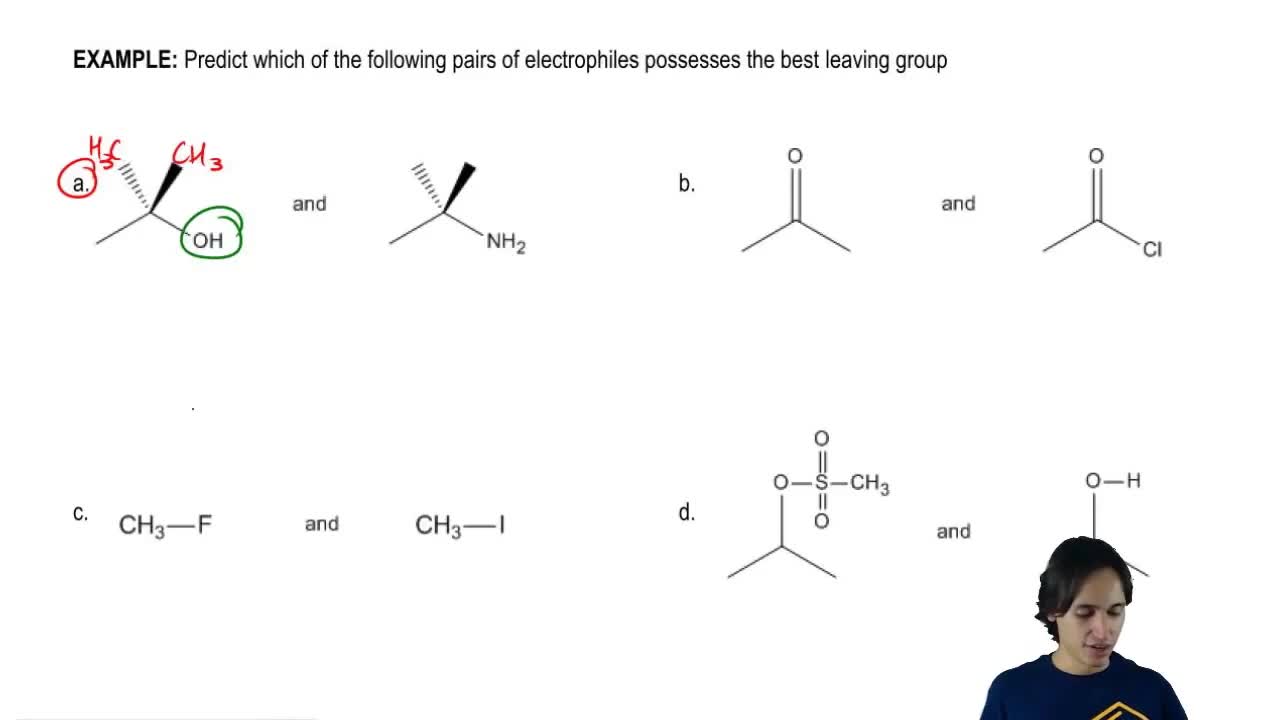
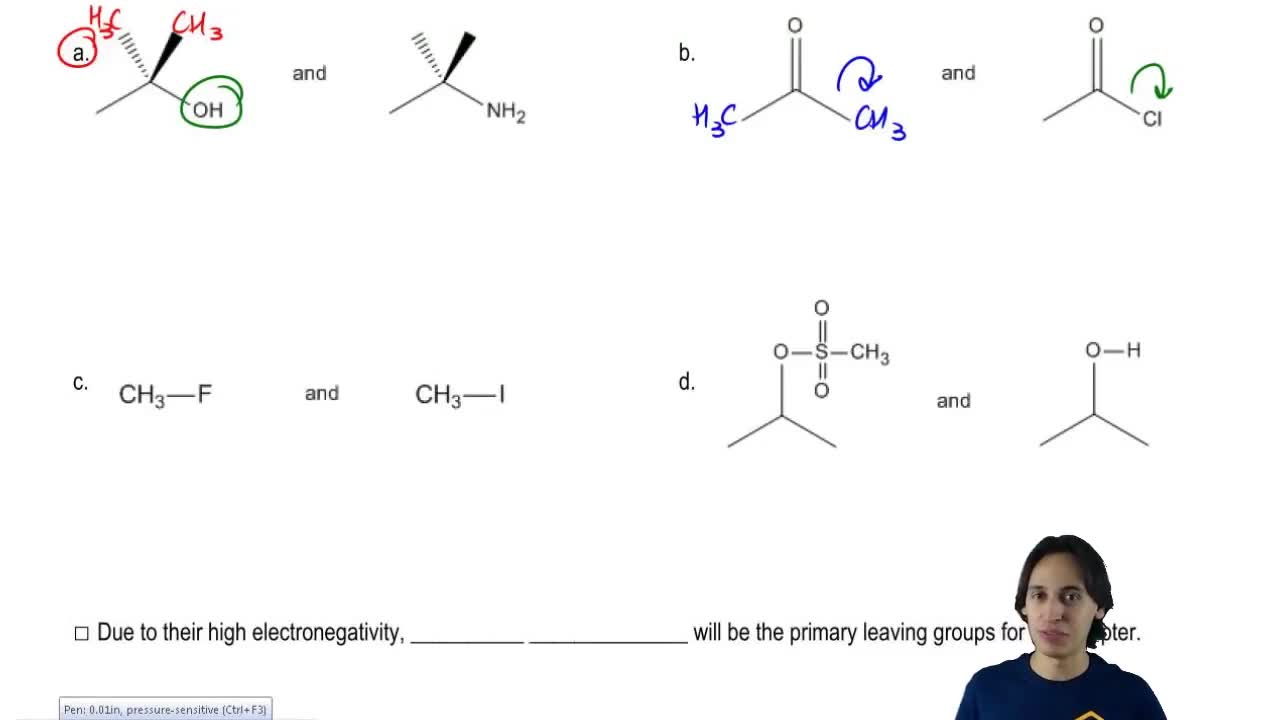
  • Predict the best leaving group
    00:50
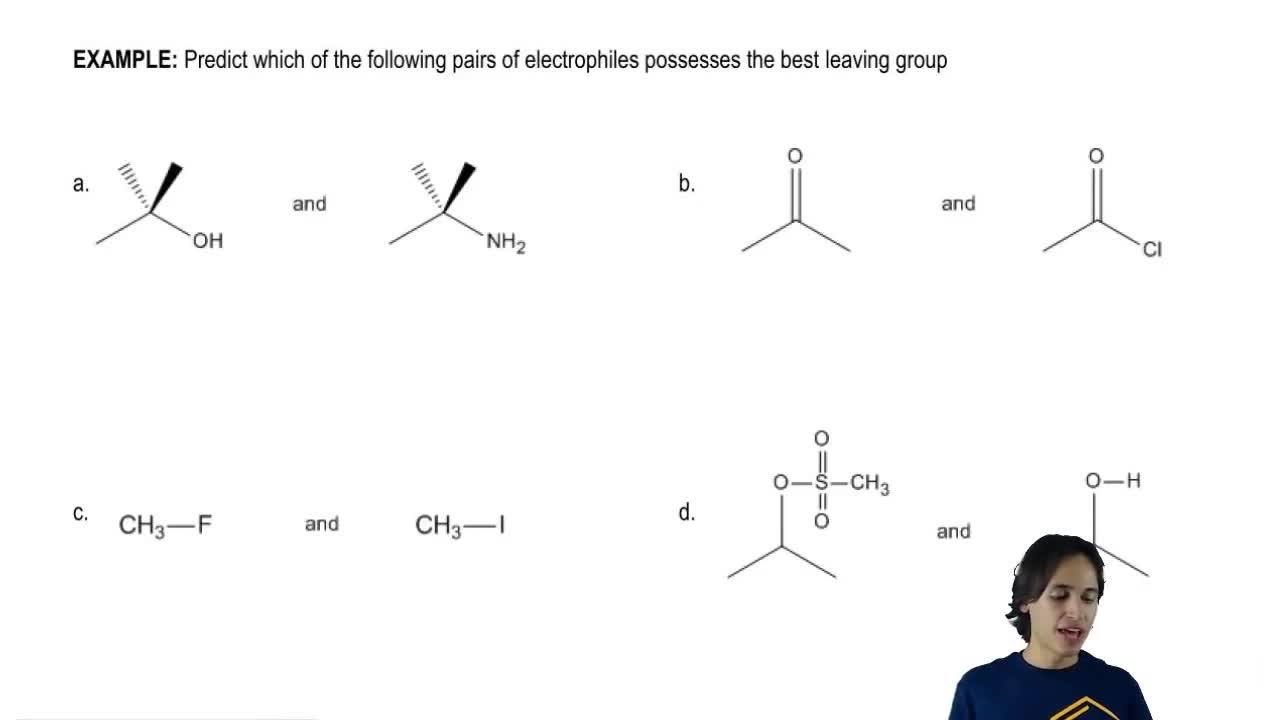
  • Predict the best leaving group
    01:12
  • Predict the best leaving group
    00:36

SN2 Reaction

  • Ranking reactivity toward SN2
    04:03
  • Drawing the SN2 Mechanism
    08:33
  • Understanding the properties of SN2.
    11:57

SN1 Reaction

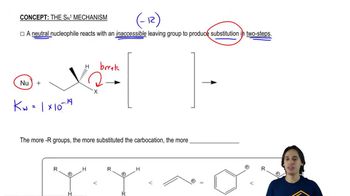
  • Drawing the SN1 Mechanism
    10:49
  • Why highly substituted leaving groups favor SN1.
    01:13
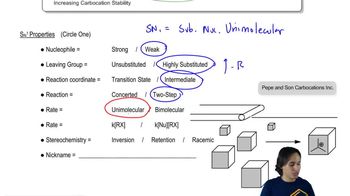
  • Understanding the properties of SN1.
    08:16

Substitution Comparison

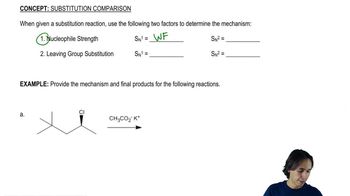
  • How do we predict if the mechanism is SN1 or SN2?
    03:32

E2 Mechanism

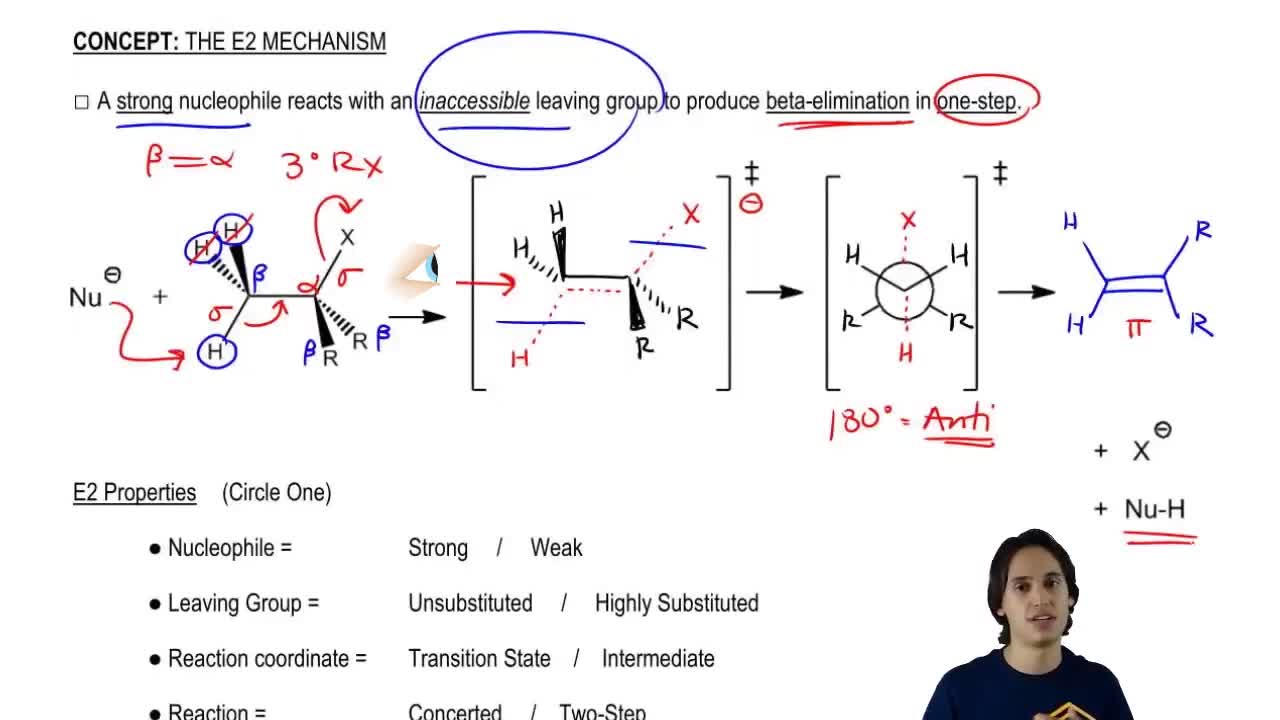
  • Understanding the properties of E2.
    04:42
  • Drawing the E2 Mechanism.
    09:36
  • Rank reactivity toward E2
    02:03

E1 Reaction

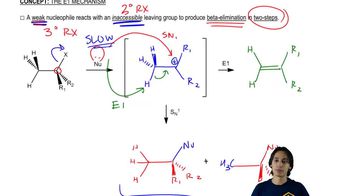
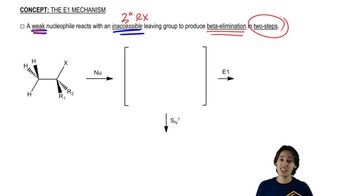
  • Understanding the properties of E1.
    03:32
  • Drawing the E1 Mechanism.
    08:09

SN1 SN2 E1 E2 Chart (Big Daddy Flowchart)

  • How to predict SN2 and E2 mechanisms.
    09:52
  • How to predict SN1 and E1 mechanisms.
    06:30
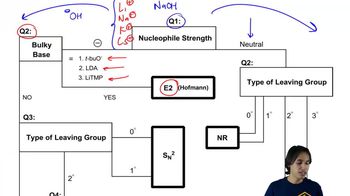
  • Overview of the flowchart.
    02:27

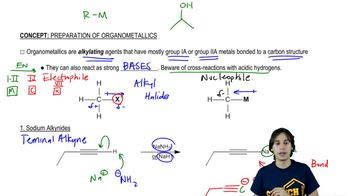
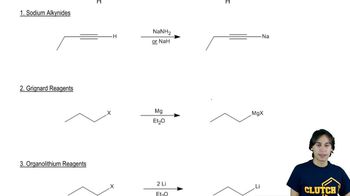
Preparation of Organometallics

  • Ruining Organometallics
    02:50
  • General Reaction
    12:21

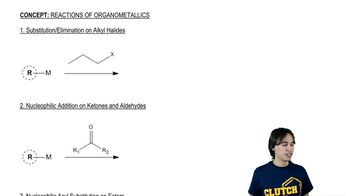
Grignard Reaction

  • Reactions of Organometallics
    13:40

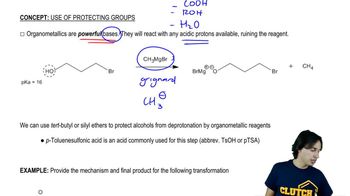
Protecting Alcohols from Organometallics

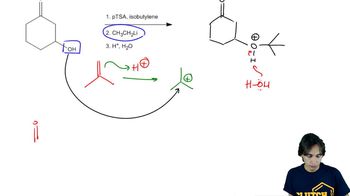
  • Use of Protecting Groups
    04:34
  • Provide mechanism and final product of transformation.
    04:45

Oxidizing Agent

  • Reagents
    01:52
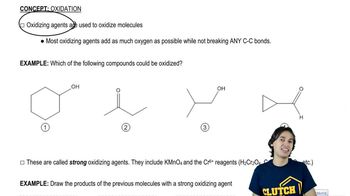
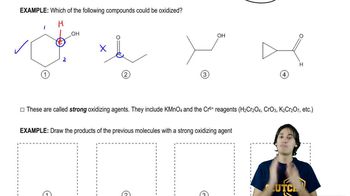
  • Strong oxidizing agents
    05:53
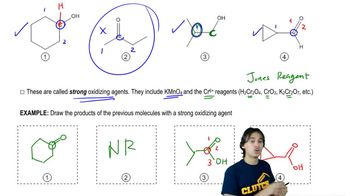
  • Strong oxidizing agents
    03:40

Reducing Agent

  • Intro
    00:15
  • Reducing Agents
    09:28

Alcohol Synthesis

  • Forming alcohols through SN2 reactions.
    01:44
  • Forming alcohols through Acid-Catalyzed Hydration.
    02:02
  • Forming alcohols through Hydroboration-Oxidation.
    01:37

Acid Chloride to Ketone

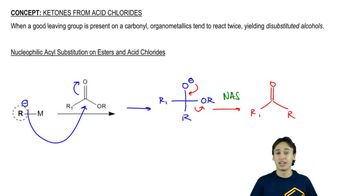
  • Ketones from acid chlorides
    05:26

Nucleophilic Addition

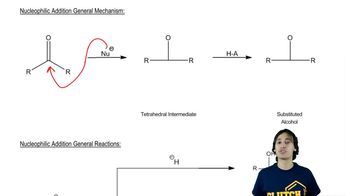
  • Nucleophilic Addition
    08:27

Carbocation Stability

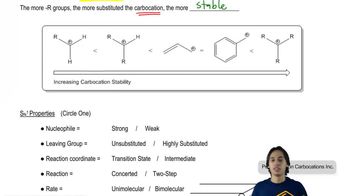
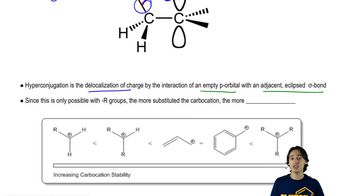
  • Determining Carbocation Stability
    05:58
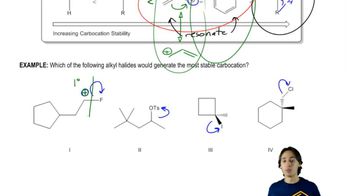
  • Predicting the most stable carbocation
    01:21