 Back
Introduction to Traditional Macroeconomics and Measurement of Macroeconomic Data
Study Guide - Smart Notes
 Tailored notes based on your materials, expanded with key definitions, examples, and context.
Introduction to Macroeconomics
What is Macroeconomics?
Macroeconomics is the branch of economics that studies the behavior and performance of an entire economy, rather than individual markets. It focuses on aggregate measures such as national income, total employment, and the overall price level. The field originated with the work of John M. Keynes, who emphasized the importance of understanding the collective behavior of individuals and the impact of economic policies on the overall economy.
Overall Economy: Macroeconomics examines the functioning and structure of the economy as a whole.
Collective Behavior: It analyzes how the interactions of individuals and firms can lead to outcomes that may seem counter-intuitive at the aggregate level.
Economic Policies: The field evaluates policies designed to improve economic performance, such as monetary and fiscal policy.
Five Big Issues in Macroeconomics
1. Business Cycles
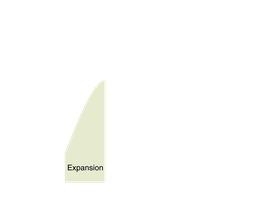
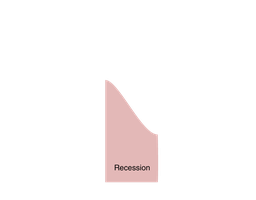
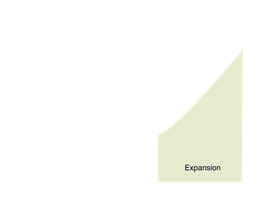
Business cycles refer to the recurring periods of economic expansion and contraction experienced by capitalist economies since the early 1800s. These cycles are characterized by fluctuations in economic activity around a long-term growth trend.
Expansion: A period of increasing economic activity and rising output.
Recession: A period of declining economic activity and output.
Economic Shocks: Unexpected events, such as financial crises or pandemics, that can disrupt the business cycle.
2. Economic Growth
Economic growth refers to the long-term increase in a nation’s productive capacity and standard of living. It is measured by the growth trend line, which reflects changes in output over time.
Growth Trend: The historical average rate of economic growth.
Standard of Living: Improvements in output per person over time.
3. Economic Transformations
Economic transformations involve fundamental changes in the structure of an economy, such as shifts in leading industries or the adoption of new technologies. These changes often occur gradually and may only be recognized after the fact.
Examples: Industrialization in 19th-century America, de-industrialization in late 20th-century Britain, and the impact of artificial intelligence (AI) on labor productivity and job creation/destruction.
4. Distribution of Wealth and Income
This issue concerns how economic output is divided among different groups in society, such as labor and capital, and how this distribution changes over time and across generations.
Intergenerational Issues: Examines whether the richest and poorest families remain the same across generations.
5. Economic Indicators and Forecasting
Economists use various indicators to assess the current state and future direction of the economy. These include:
Leading Economic Indicators: Building permits, initial unemployment claims, manufacturing new orders.
Composite Indexes: Chicago Fed National Activity Index (85 indicators), industrial production measures, housing starts, personal expenditures, and employment numbers.
The Yield Curve and Bonds
Understanding the Yield Curve
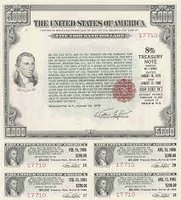
The yield curve illustrates the relationship between interest rates (yields) and the maturity dates of bonds. It is a crucial tool for understanding borrowing costs and predicting economic conditions.
Normal Yield Curve: Yields increase with longer maturities, reflecting higher compensation for inflation and risk.
Inverted Yield Curve: Short-term rates exceed long-term rates, often seen as a predictor of recessions.
U.S. government bonds are considered risk-free, which has implications for credit spreads and inflation expectations.
Why Does an Inverted Yield Curve Predict Recessions?
An inverted yield curve suggests that investors expect lower interest rates in the future, typically due to anticipated economic slowdowns or recessions. Central banks, such as the Federal Reserve, may lower rates to stimulate the economy during contractions.
Traditional Macroeconomic Policies
Monetary Policy
Monetary policy involves the purposeful control of a nation’s money supply and interest rates to influence economic performance. In the U.S., this is managed by the Federal Reserve (the "Fed").
Goals: Stabilize the business cycle, control inflation, and promote employment.
Fiscal Policy
Fiscal policy refers to government spending and taxation decisions aimed at influencing economic activity. In the U.S., this is the responsibility of the federal government.
Goals: Stimulate economic growth during recessions and cool down the economy during expansions.
Goal of Macroeconomic Policy
The primary objective is to smooth out the business cycle without reducing the nation’s productive capacity over time.
Schools of Macroeconomic Thought
Keynesian (Neo-Keynesian) Economics
This school argues that economic contractions are caused by inadequate spending. Market economies take time to self-adjust, so government intervention through monetary and especially fiscal policy can help improve economic performance during recessions.
Other Schools of Thought
Monetarist: Emphasizes the role of money supply in determining economic outcomes.
Austrian: Attributes business cycles to government-induced distortions, such as artificially low interest rates.
Rational Expectations: Focuses on how expectations of future policy affect current economic behavior.
Real Business Cycle: Attributes cycles to real (non-monetary) shocks, such as changes in technology or productivity.
These schools differ in their explanations for economic fluctuations and the effectiveness of government policies.
Measuring the Macroeconomy
Key Macroeconomic Measures
Before analyzing policy, economists must measure the macroeconomy using several key indicators:
Gross Domestic Product (GDP): Measures the total output of goods and services produced within a nation.
Real GDP: Adjusts GDP for changes in the price level to reflect true output growth.
Price Level: Assessed through inflation and deflation rates.
Labor Market Strength: Measured by unemployment rates and labor force participation rates.
First Topic: Gross Domestic Product (GDP) and Related Measures
GDP is the most widely used measure of a nation’s overall economic output. It is essential for understanding economic growth, business cycles, and the standard of living.
Formula for GDP (Expenditure Approach):
C: Consumption
I: Investment
G: Government Spending
X: Exports
M: Imports
Understanding GDP and related measures is foundational for further study in macroeconomics.
