Back
BackPrinciples of Macroeconomics: Comprehensive Study Guide
Study Guide - Learn with Videos
 Curated lessons matched to your uploaded material – learn every topic step by step.
Production Possibilities Frontier (PPF) - Introduction and Productive Efficiency
- Guided course
 06:23
06:23
- Guided course 04:48
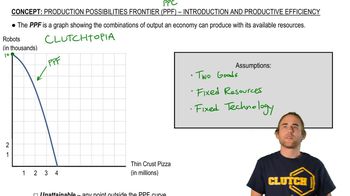
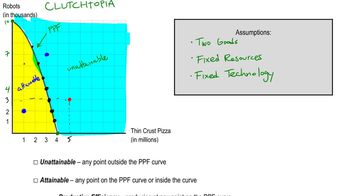
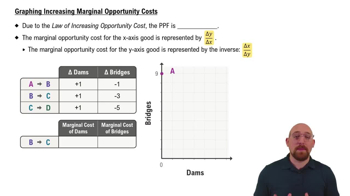
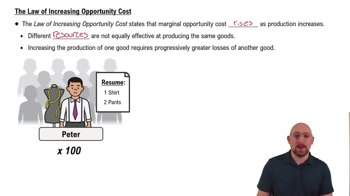
PPF - Increasing Marginal Opportunity Costs and Allocative Efficiency
- Guided course 03:33
- Guided course 05:04
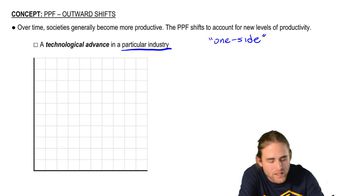
PPF - Outward Shifts
- Guided course 01:55
- Guided course 02:49

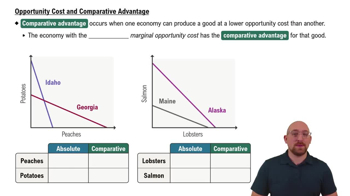
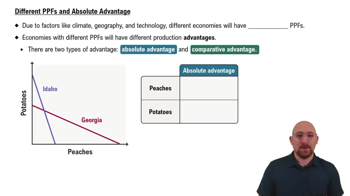
PPF - Comparative Advantage and Absolute Advantage
- Guided course 04:36
- Guided course 02:03
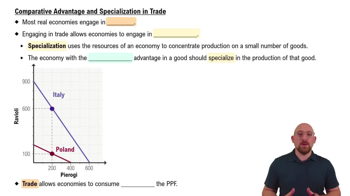
PPF - Comparative Advantage and Trade
- Guided course 05:30
Introduction to Supply and Demand
- Guided course 03:23
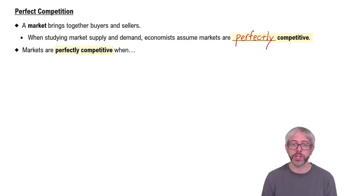
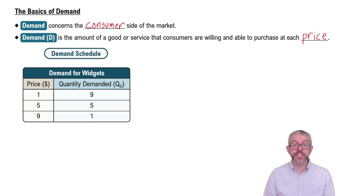
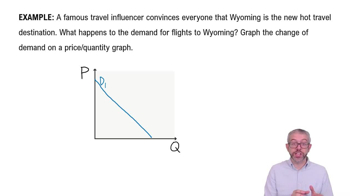
The Basics of Demand
- Guided course 06:02
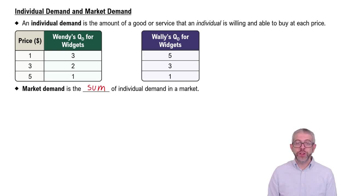
Individual Demand and Market Demand
- Guided course 03:59
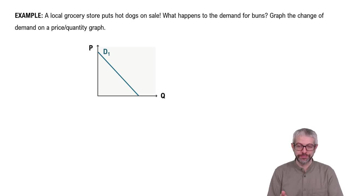
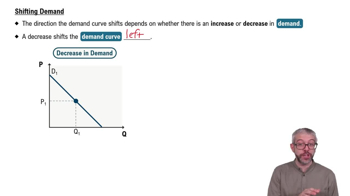
Shifting Demand
- Guided course 01:27
- Guided course 03:59
- Guided course 01:44
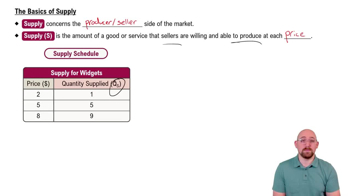
The Basics of Supply
- Guided course 02:43
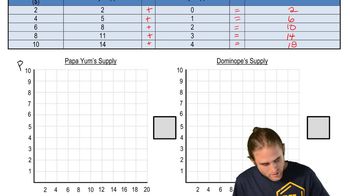
Individual Supply and Market Supply
- Guided course 06:04
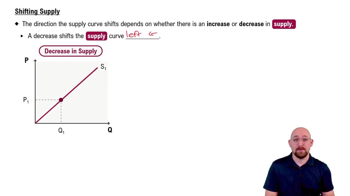
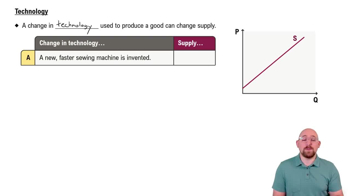
Shifting Supply
- Guided course 01:56
- Guided course 01:00
- Guided course 01:39

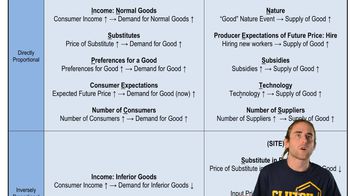
Overview of Supply and Demand Shifts
- Guided course 04:05
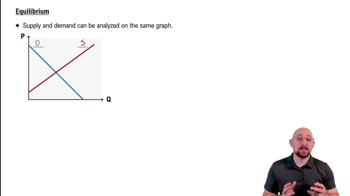
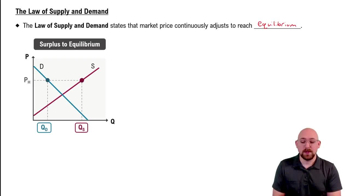
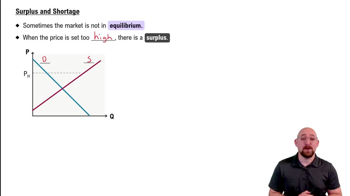
Supply and Demand Together: Equilibrium, Shortage, and Surplus
- Guided course 02:41
- Guided course 02:43
- 02:56
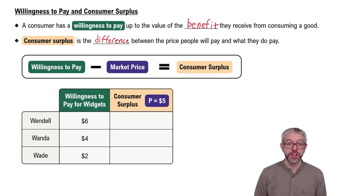
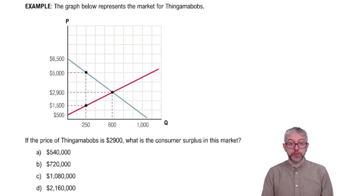
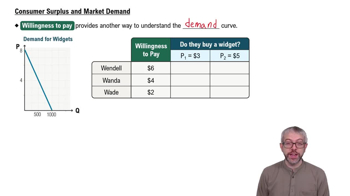
Willingness to Pay and Consumer Surplus
- Guided course 03:39
- Guided course 02:15
- Guided course 06:03
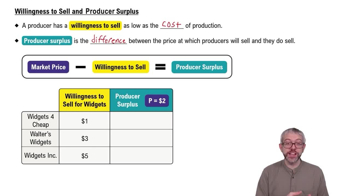
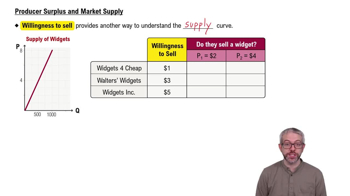
Willingness to Sell and Producer Surplus
- Guided course 03:04
- Guided course 04:03
- Guided course 01:30
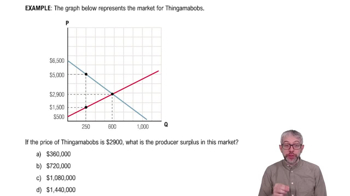
Economic Surplus and Efficiency
- Guided course 07:08
- Guided course 11:37
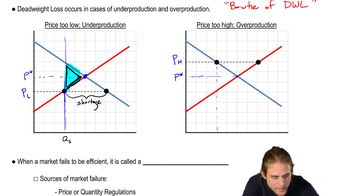
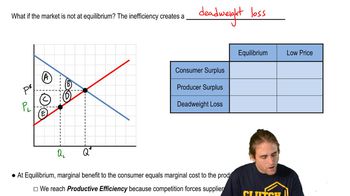
Price Ceilings, Price Floors, and Black Markets
- Guided course 07:05
- Guided course 08:03
- Guided course 02:18
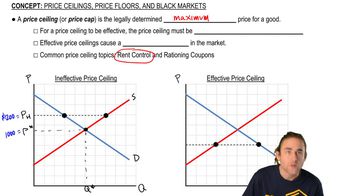
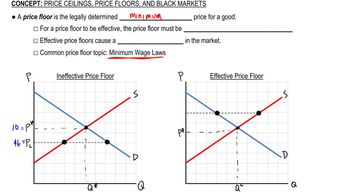
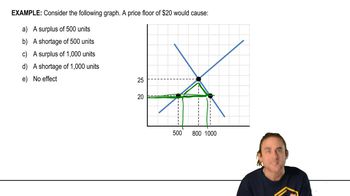
Introducing Taxes and Tax Incidence
- Guided course 03:21
- Guided course 13:27
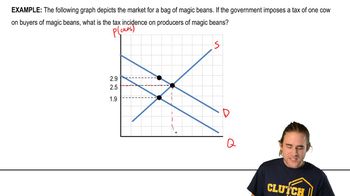
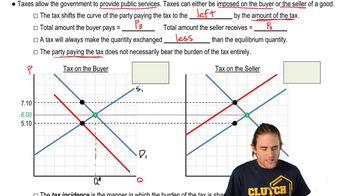
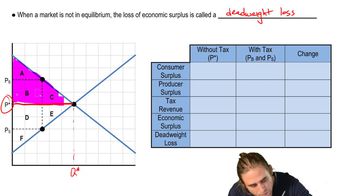
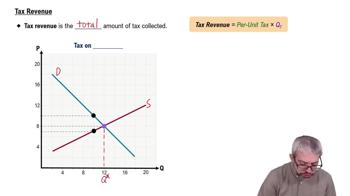
Effects of Taxes on a Market
- Guided course 09:45
- Guided course 03:59
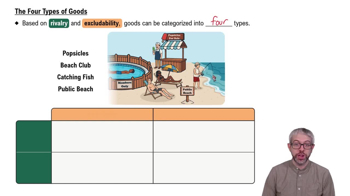
Four Types of Goods and Two Characteristics
- Guided course 04:47
- Guided course 05:41
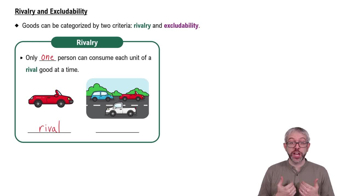
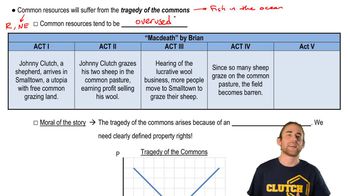
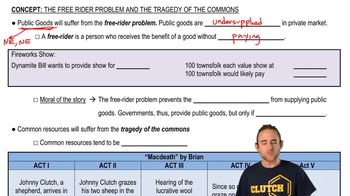
The Free Rider Problem and the Tragedy of the Commons
- Guided course 07:34
- Guided course 06:11
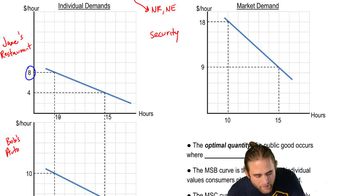
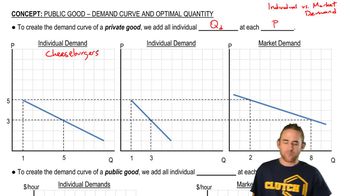
Public Goods: Demand Curve and Optimal Quantity
- Guided course 08:18
- Guided course 03:52
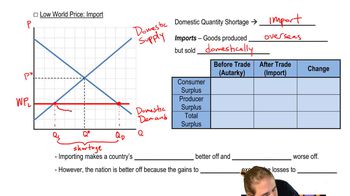
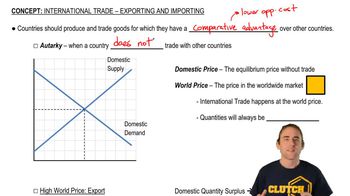
Exporting and Importing
- Guided course 06:36
- Guided course 04:
- Guided course 09:03
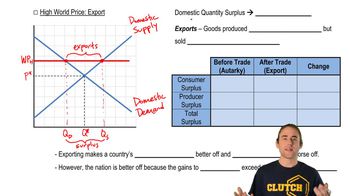
Sources of Comparative Advantage
- Guided course 05:50

Tariffs
- Guided course 14:35
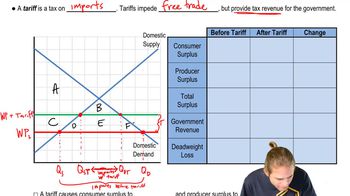
Import Quotas and VERs
- Guided course 14:08
- Guided course 09:44
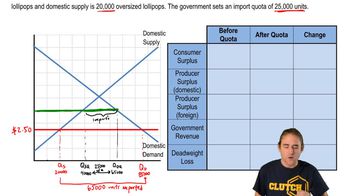
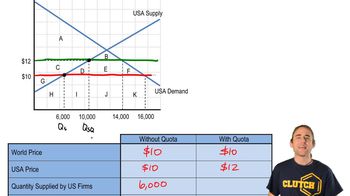
Arguments Against International Trade
- Guided course 07:50

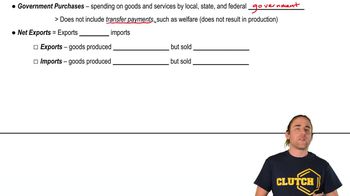
Expenditure Approach for Measuring GDP
- Guided course 02:31
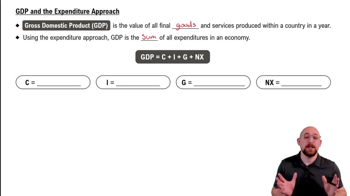
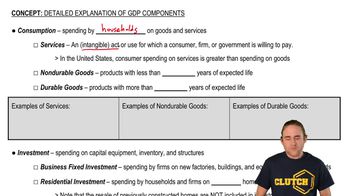
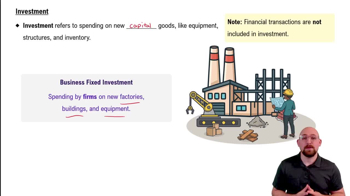
Detailed Explanation of GDP Components
- Guided course 02:12
- Guided course 02:38
- Guided course 02:01
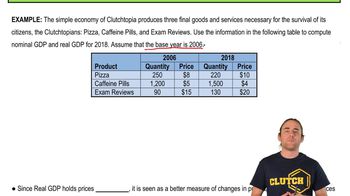
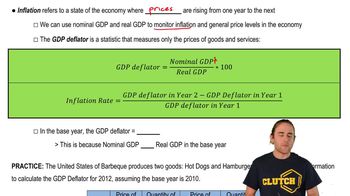
Nominal GDP and Real GDP
- Guided course 09:15
- Guided course 03:04
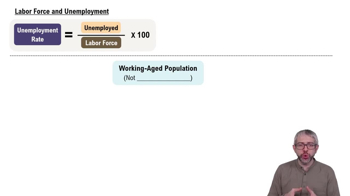
Labor Force and Unemployment
- Guided course 04:35
- Guided course 05:58
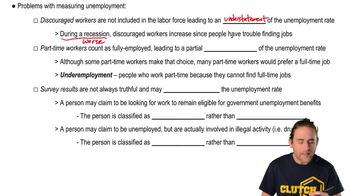
Types of Unemployment
- Guided course 05:44
- Guided course 02:44
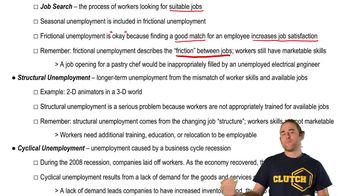
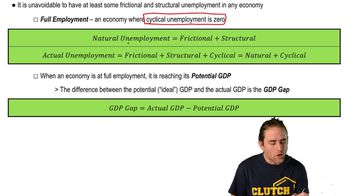
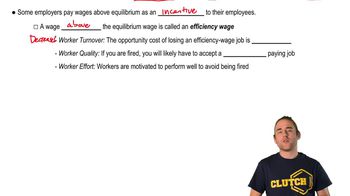
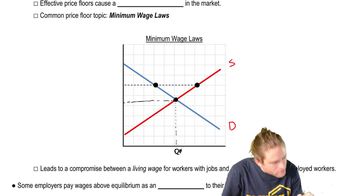
Unemployment: Minimum Wage Laws and Efficiency Wages
- Guided course 02:18
- Guided course 04:58
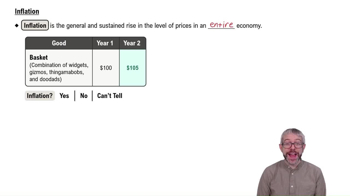
Inflation and Consumer Price Index (CPI)
- Guided course 08:35
- Guided course 04:40
- Guided course 03:34
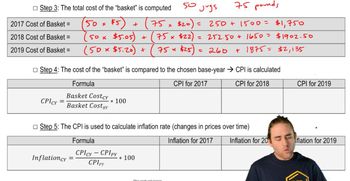
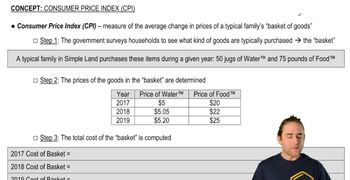
Using CPI to Adjust for Inflation
- Guided course 04:34
- Guided course 02:49
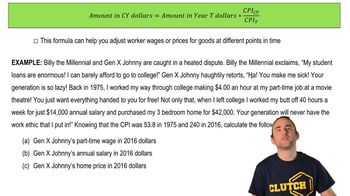
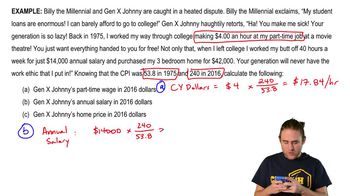
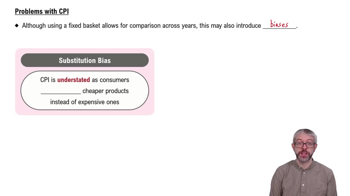
Problems with the Consumer Price Index (CPI)
- Guided course 05:24
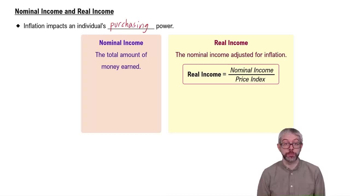
Nominal Income and Real Income
- Guided course 06:07
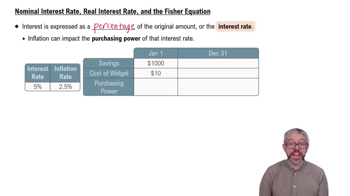
Nominal Interest, Real Interest, and the Fisher Equation
- Guided course 05:05
Who is Affected by Inflation?
- Guided course 05:58
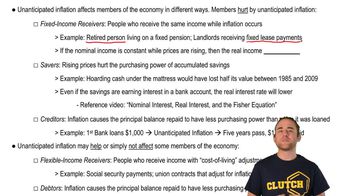
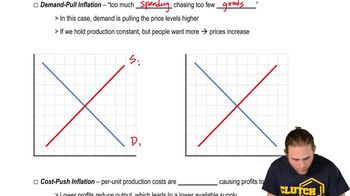
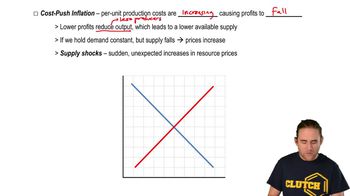
Demand-Pull and Cost-Push Inflation
- Guided course 03:53
- Guided course 02:22
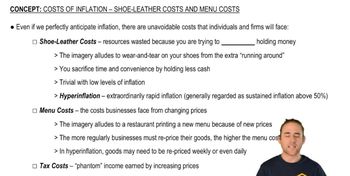
Costs of Inflation: Shoe-leather Costs and Menu Costs
- Guided course 04:37
Long-Run Economic Growth
- Guided course 02:07
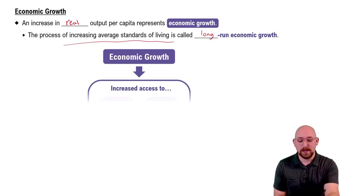
Productivity and the Per-Worker Production Function
- Guided course 02:27
- Guided course 05:51
- Guided course 05:02
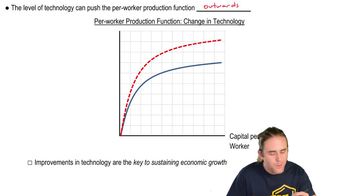
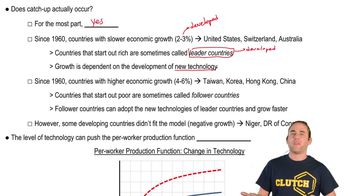
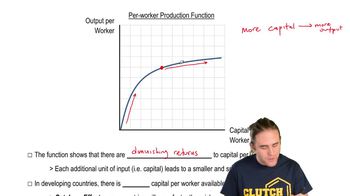
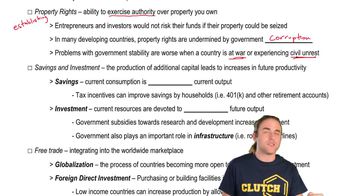
Institutions that Promote Economic Growth
- Guided course 08:45
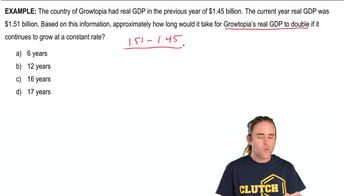
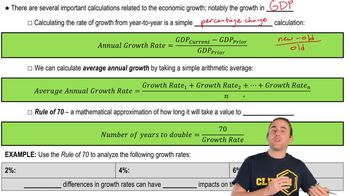
Growth Rates and the Rule of 70
- Guided course 02:50
- Guided course 05:47
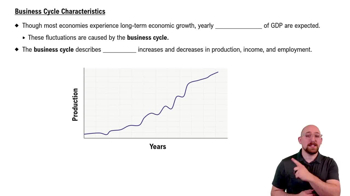
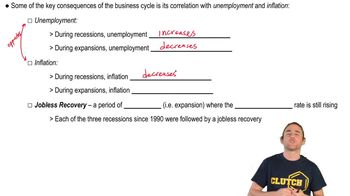
Business Cycles and Their Characteristics
- Guided course 01:46
- Guided course 04:18
- Guided course 02:33
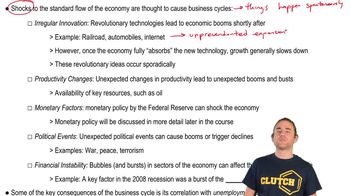
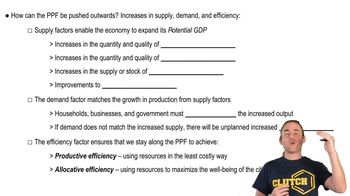
PPF - Growth Analysis
- Guided course 06:58
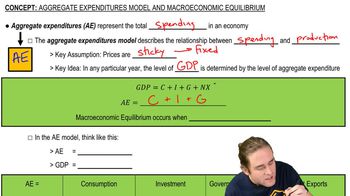
Aggregate Expenditures Model and Macroeconomic Equilibrium
- Guided course 07:08
- Guided course 10:19
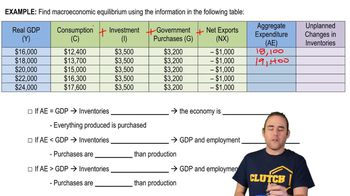
AE Model: Graphing Macroeconomic Equilibrium
- Guided course 13:28
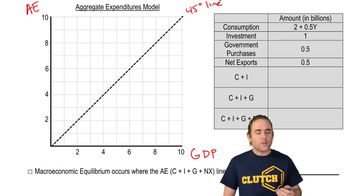
AE Model: Private Closed Economy
- Guided course 05:39
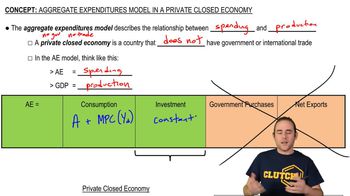
AE Model: Private Open Economy
- Guided course 05:37
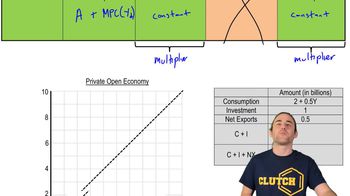
AE Model and the Multiplier
- Guided course 11:37
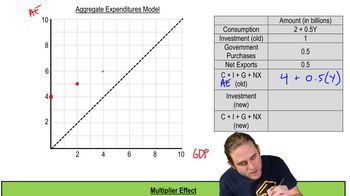
AE Model: Algebraic Approach
- Guided course 04:46
- Guided course 02:20
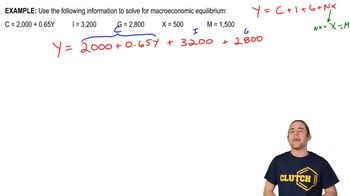
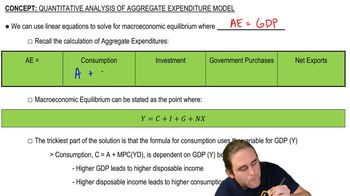
Aggregate Demand
- Guided course 02:56
- Guided course 05:48
- Guided course 02:47
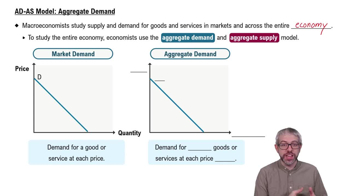
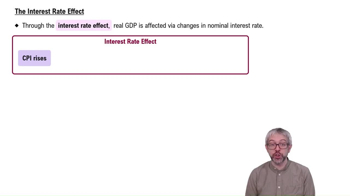
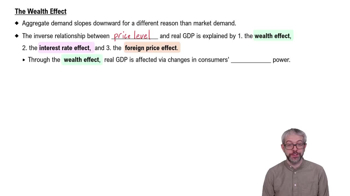
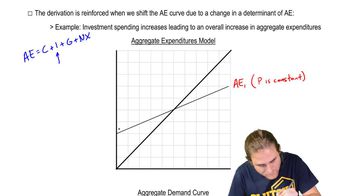
Deriving Aggregate Demand from the Aggregate Expenditure Model
- Guided course 04:13
- Guided course 08:18
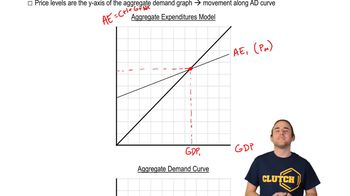
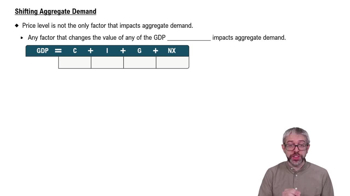
Shifting Aggregate Demand
- Guided course 04:27
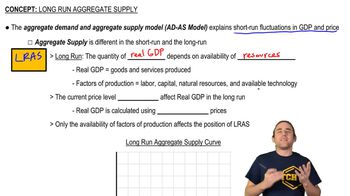
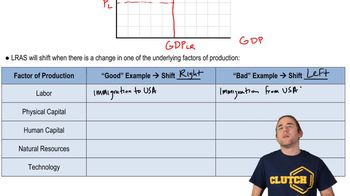
Long Run Aggregate Supply
- Guided course 04:36
- Guided course 04:35
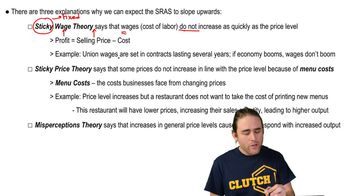
Short Run Aggregate Supply
- Guided course 04:16
- Guided course 02:52
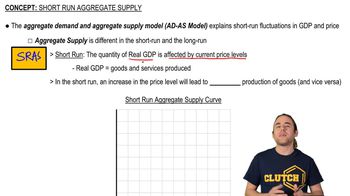
Shifting Short Run Aggregate Supply
- Guided course 03:03
- Guided course 05:32
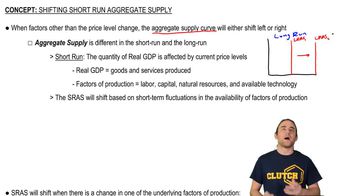
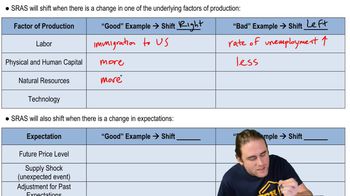
AD-AS Model: Shifts in Aggregate Demand
- Guided course 08:15
- Guided course 06:03
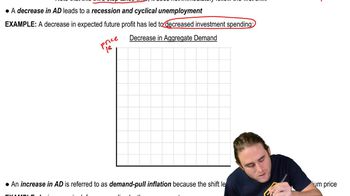
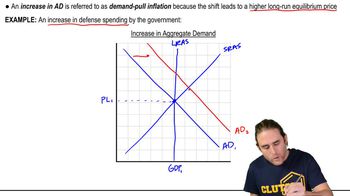
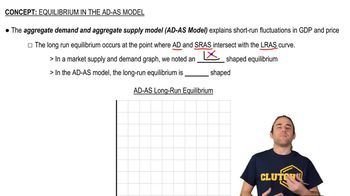
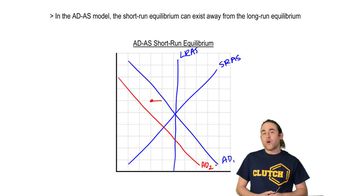
AD-AS Model: Equilibrium in the Short Run and Long Run
- Guided course 02:28
- Guided course 02:35
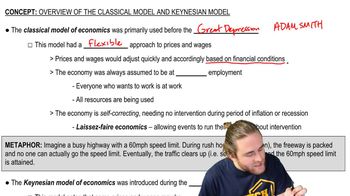
Classical Model and Keynesian Model
- Guided course 02:54
- Guided course 03:41
- Guided course 03:04
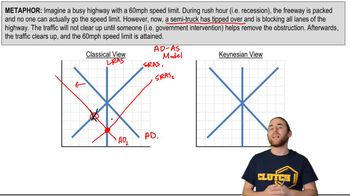
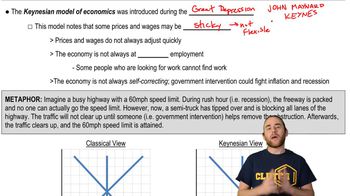
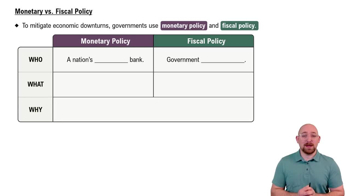
Monetary vs Fiscal Policy
- Guided course 03:13
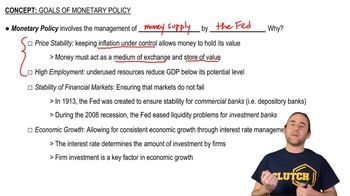
Goals of Monetary Policy
- Guided course 03:28
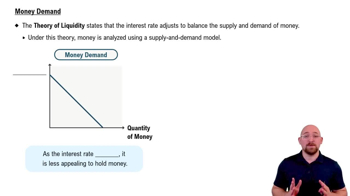
The Demand for Money
- Guided course 01:51
- Guided course 02:17
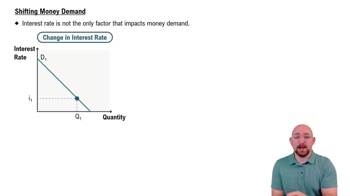
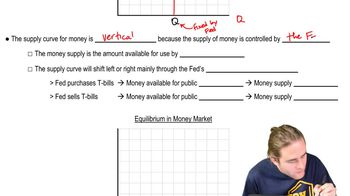
The Money Supply on the Graph
- Guided course 11:53
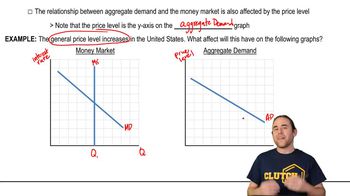
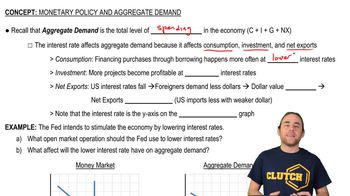
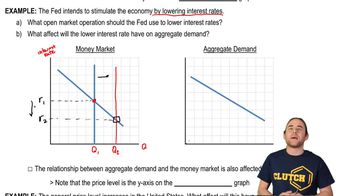
Monetary Policy and Aggregate Demand
- Guided course 06:24
- Guided course 04:53
- Guided course 06:42
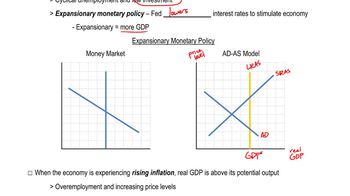
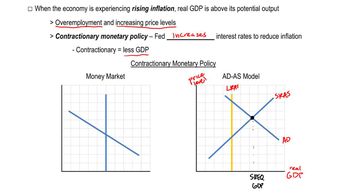
Expansionary and Contractionary Monetary Policy
- Guided course 07:42
- Guided course 08:07
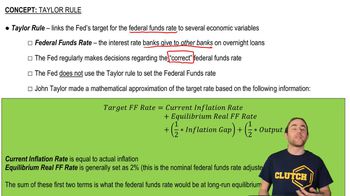
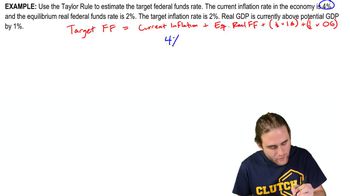
Taylor Rule
- Guided course 03:35
- Guided course 03:35
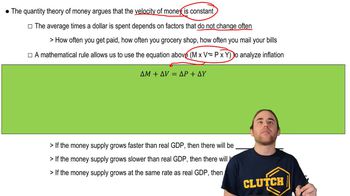
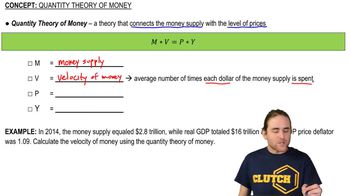
Quantity Theory of Money
- Guided course 05:17
- Guided course 04:25
Introduction to Fiscal Policy
- Guided course 09:33
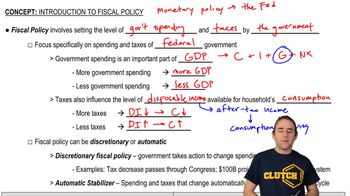
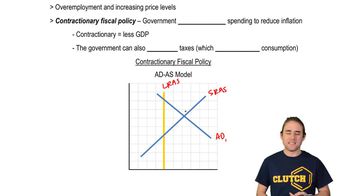
Expansionary and Contractionary Fiscal Policy
- Guided course 03:48
- Guided course 05:24
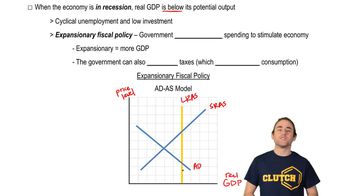
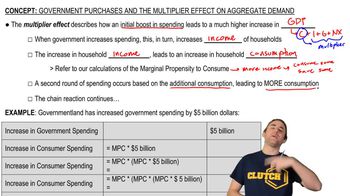
Government Purchases and the Multiplier Effect
- Guided course 08:02
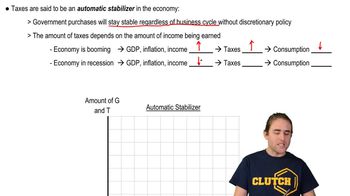
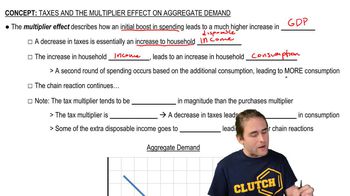
Taxes, the Multiplier Effect, and Automatic Stabilizers
- Guided course 03:50
- Guided course 05:11
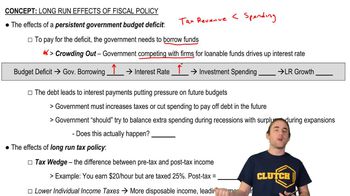
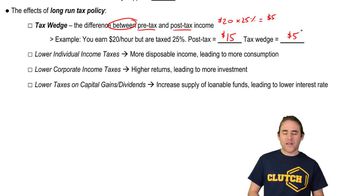
Long Run Effects of Fiscal Policy
- Guided course 03:39
- Guided course 02:40
Criticisms of Fiscal Policy
- Guided course 02:19
- Guided course 01:39
- Guided course 04:16