 Back
Principles of Macroeconomics: Foundations, Markets, Incentives, and Economic Cycles
Study Guide - Smart Notes
 Tailored notes based on your materials, expanded with key definitions, examples, and context.
Introduction to Macroeconomics
Definition and Scope
Macroeconomics is the study of the economy as a whole, focusing on broad aggregates such as inflation, unemployment, and economic growth. It examines the big economic picture, analyzing how societies provide for the material well-being of their members.
Macroeconomics: Studies overall economic phenomena, including GDP, inflation, and unemployment.
Microeconomics: Focuses on individual choices and market interactions.
Positive Economics: Describes and explains economic phenomena without value judgments.
Normative Economics: Involves value judgments about what the economy should be like.
Economics: The Material World and Human Choices
What is Economics?
Economics is fundamentally about how societies manage their material resources to ensure the well-being of their members. It is not about art, movies, or simply money, but about the provision of daily necessities and the structure of incentives that guide human behavior.
Material Well-being: Economics studies how societies provide for the material needs of their members.
Economic Vulnerability: Even in wealthy societies, individuals remain economically dependent on others due to specialization.
Markets and Specialization
Role of Markets
Markets are venues—physical or virtual—where goods and services are exchanged. They facilitate trade, which allows for specialization and division of labor, increasing productivity and wealth.
Market Principles: Markets have buyers (demand) and sellers (supply), and operate under common rules.
Types of Property: Personal, real, and intellectual property are protected to incentivize investment and innovation.
Specialization: Individuals and firms specialize in tasks, relying on others for goods and services they do not produce themselves.
How Markets Create Wealth
Markets create wealth through three main mechanisms:
Trade reduces opportunity costs and leverages comparative advantage.
Trade creates valuable incentives for production and innovation.
Trade allocates goods to those who value them most, increasing overall welfare.
Economic Interdependence and Incentives
Division of Labor and Cooperation
Society’s wealth is tied to the cooperation and economic interdependence of individuals, each specializing in different tasks.
Division of Labor: The extent of markets determines the scope of specialization.
Economic Interdependence: Individuals rely on others for goods and services, creating a network of cooperation.
Role of Incentives
Incentives are central to economics, influencing choices and behavior. People respond predictably to changes in costs and benefits.
Rational Behavior: Individuals weigh pros and cons to make optimal decisions.
Economic Incentives: Changes in prices, wages, or benefits alter behavior.
Optimal Decisions at the Margin: Decisions are made by comparing marginal benefits and marginal costs.
Macroeconomic Measurement and Business Cycles
Key Macroeconomic Indicators
Macroeconomics seeks to understand the factors driving a nation’s output, price levels, unemployment, interest rates, and wealth distribution.
GDP (Gross Domestic Product): Measures total output of goods and services.
Inflation/Deflation: Changes in the general price level.
Unemployment Rate: Percentage of the labor force without jobs.
Interest Rates: Cost of borrowing money.
Short Run vs. Long Run
The causes of changes in output, employment, and inflation differ between the short run and long run.
Short Run: Characterized by business cycles—periods of expansion and contraction.
Long Run: Driven by fundamental factors such as technology, capital, and policy.
Business Cycle Phases
Expansion: Periods of increasing economic activity.
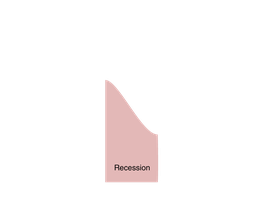
Recession: Periods of declining economic activity.


The Great Depression
The Great Depression was a major economic downturn in the 1930s, marked by a sharp drop in output and a rapid increase in unemployment. 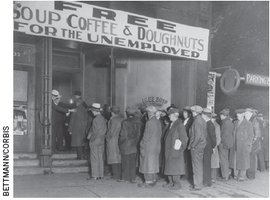
Government Policy: Monetary and Fiscal Policy
Aligning Actual and Potential GDP
Government policies are often implemented to address adverse economic outcomes, such as when actual GDP falls below potential GDP.
Monetary Policy: Central bank actions affecting money supply and interest rates.
Fiscal Policy: Government spending and taxation decisions.
Microeconomic Foundations of Macroeconomics
Principles Underlying Individual Choice
Economics studies human decisions, focusing on how individuals weigh benefits and costs to make choices.
Choice: The central feature of economic analysis.
Incentives: Structures that guide behavior and decision-making.
Incentives and Labor Market Outcomes
Unemployment Benefits and Work Choices
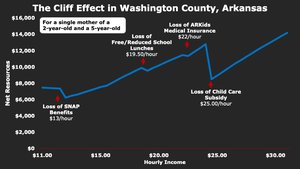
Expanded unemployment insurance (UI) benefits during the COVID-19 pandemic provided high income replacement rates, sometimes exceeding previous earnings, which had disincentive effects on working.
Benefit Cliffs: Sudden loss of benefits as income increases can discourage recipients from taking new jobs or working more hours.
Markets, Incentives, and Social Outcomes
Self-Interest and Social Productivity
Markets channel self-interested behavior into socially productive outcomes. In a market economy, individuals succeed by making themselves valuable to others, producing goods and services that are in demand.
Invisible Hand: Concept from Adam Smith, describing how individual self-interest leads to societal benefit.
Private Property Rights: Essential for incentivizing production and innovation.
Ownership and Incentives
Private Ownership: Owners receive residual income, incentivizing efficient production and value creation.
Public Ownership: Incentives are often distorted, leading to inefficiency and mismanagement.
Summary Table: Key Concepts in Macroeconomics
Concept | Definition | Example/Application |
|---|---|---|
GDP | Total value of goods and services produced | U.S. GDP in 2022 |
Inflation | Increase in general price level | Consumer Price Index (CPI) |
Unemployment Rate | Percentage of labor force unemployed | U.S. unemployment during Great Depression |
Monetary Policy | Central bank actions | Federal Reserve interest rate changes |
Fiscal Policy | Government spending/taxation | Stimulus packages |
Comparative Advantage | Ability to produce at lower opportunity cost | Trade between countries |
Benefit Cliffs | Loss of benefits with increased income | Welfare recipients' work choices |
Conclusion
Macroeconomics builds on microeconomic foundations, focusing on markets, incentives, and the measurement of economic aggregates. Understanding the interplay between individual choices, market mechanisms, and government policies is essential for analyzing the performance and evolution of national economies. Additional info: Some explanations and context were expanded for clarity and completeness, including definitions and examples of key macroeconomic concepts.
