Back

Gonorrhea definitions

Control buttons has been changed to "navigation" mode.
1/15
  • Neisseria gonorrhoeae

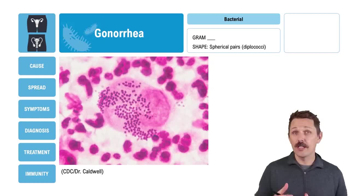
    Gram-negative diplococcus responsible for a common sexually transmitted infection affecting mucous membranes.
  • Diplococci

    Spherical bacterial pairs visible under a microscope, characteristic of the causative agent of this infection.
  • Fimbriae

    Finger-like bacterial extensions aiding in attachment to epithelial cells, facilitating infection.
  • Epithelial cell

    Host cell type targeted and invaded by the pathogen, found lining mucous membranes.
  • Mucous membrane

    Moist tissue lining body passages, including reproductive tracts, rectum, throat, and eyes, susceptible to infection.
  • Urethra

    Tube through which urine exits the body; a primary site of infection and pus discharge in males.
  • Pelvic inflammatory disease

    Chronic inflammation of female reproductive organs, often resulting from untreated infection, leading to pain and fertility issues.
  • Ceftriaxone

    Antibiotic commonly used in combination therapy to treat this infection due to rising resistance.
  • Azithromycin

    Antibiotic paired with another agent to combat the pathogen and address antibiotic resistance.
  • Antibiotic resistance

    Increasing inability of drugs to eliminate the pathogen, necessitating combination therapies.
  • Nucleic acid amplification test

    Sensitive diagnostic method, such as PCR, used to detect pathogen DNA in patient samples.
  • Condom

    Barrier method highly effective in preventing transmission when used consistently and correctly.
  • Pus

    Thick, white-yellow discharge from the urethra, a hallmark symptom in infected males.
  • Blindness

    Severe complication in newborns exposed during birth, preventable with immediate antibiotic eye ointment.
  • Asymptomatic infection

    State where individuals, especially females, show no noticeable symptoms despite being infected.