Back

Antimicrobial Drugs and Resistance in Microbiology

Control buttons has been changed to "navigation" mode.
1/28
  • Difficulties in developing drugs against viruses and eukaryotic pathogens

    Viruses use host cell machinery, making selective targeting difficult. Eukaryotic pathogens share cellular features with humans, increasing toxicity risks.
  • Potential viral replication targets for antiviral drugs

    Targets include viral entry, uncoating, nucleic acid synthesis, protein processing, and viral assembly or release.
  • Examples of antifungal agents and their targets

    Examples: Azoles inhibit ergosterol synthesis; polyenes bind ergosterol disrupting membranes; echinocandins inhibit cell wall synthesis.
  • Antiprotozoal drugs: examples and mechanisms

    Examples: Metronidazole damages DNA; chloroquine interferes with heme detoxification; mechanisms vary by protozoan species.
  • Main antihelminthic drugs and their actions

    Examples: Albendazole inhibits microtubules; ivermectin paralyzes worms by affecting neurotransmission.
  • Definition of antimicrobial resistance

    The ability of microbes to survive or grow despite the presence of drugs designed to inhibit or kill them.
  • Intrinsic vs acquired antimicrobial resistance

    Intrinsic resistance is natural and inherent; acquired resistance arises from mutations or gene transfer.
  • Three categories of acquired antimicrobial resistance tools

    Enzymatic drug inactivation, target modification, and reduced drug accumulation via efflux or permeability changes.
  • How antimicrobial use selects for resistant microbes

    Drug exposure kills susceptible microbes, allowing resistant ones to survive and multiply, spreading resistance genes.
  • Role of agricultural and clinical misuse in resistance spread

    Overuse and misuse in farming and healthcare promote resistance by exposing microbes to sublethal drug levels.
  • Measures to reduce antimicrobial resistance emergence

    Proper prescribing, patient adherence, infection control, and limiting unnecessary antimicrobial use.
  • Top three urgent drug-resistant bacterial threats in the US

    Carbapenem-resistant Enterobacteriaceae, drug-resistant Neisseria gonorrhoeae, and drug-resistant Clostridioides difficile.
  • Challenges in developing new antimicrobial drugs

    High cost, rapid resistance development, limited financial incentives, and complex pathogen biology.
  • Definition of empiric therapy and prophylaxis

    Empiric therapy: treatment before pathogen identification; prophylaxis: preventive treatment to avoid infection.
  • Broad-spectrum vs narrow-spectrum antimicrobials

    Broad-spectrum target many microbes; narrow-spectrum target specific types. Broad-spectrum used in empiric therapy to cover unknown pathogens.
  • Bacteriostatic vs bactericidal drugs

    Bacteriostatic inhibit growth; bactericidal kill bacteria. Choice depends on infection type and immune status.
  • Natural, semi-synthetic, and synthetic antimicrobials

    Natural: produced by microbes; semi-synthetic: chemically modified natural drugs; synthetic: fully man-made.
  • Difference between antibiotic and antimicrobial drug

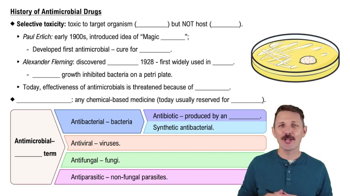
    Antibiotics are natural or semi-synthetic substances targeting bacteria; antimicrobials include all agents against microbes (bacteria, fungi, viruses, parasites).
  • Glycopeptide drugs: examples and mode of action

    Example: Vancomycin inhibits cell wall synthesis by binding peptide precursors; differs from beta-lactams which inhibit penicillin-binding proteins.
  • How quinolones and rifamycins work

    Quinolones inhibit DNA gyrase/topoisomerase; rifamycins inhibit RNA polymerase; used for bacterial infections including tuberculosis.
  • Mechanism of sulfa drugs and selectivity

    Sulfa drugs inhibit folic acid synthesis in bacteria; humans do not synthesize folic acid, so they are selectively toxic.
  • Modes of action and adverse effects of macrolides, lincosamides, phenicols, tetracyclines, aminoglycosides

    All inhibit protein synthesis but differ in binding sites; adverse effects include GI upset, ototoxicity, and photosensitivity.
  • Polypeptide drugs: examples and usage

    Examples: Polymyxins disrupt bacterial membranes; bacitracin inhibits cell wall synthesis; used for resistant infections or topical applications.
  • Cell wall synthesis antibiotics


    Penicillin, Cephalosporins, Carbapenems, Glycopeptdies

  • Plasma membrane antibiotic


    Daptomycin

  • Nucleic Acid antibiotic


    Quinolones

  • Protein synthesis


    Macrolides, Tetracyclines, Aminoglycosides

  • Folic Acid Synthesis


    Sulfa Drugs, Trimethoprim