 Back
Backinto to microbio
 03:55
03:55

Terms in this set (30)
UBIQUITOUS- what does it mean
(is,are )everywhere at the same time
What is the proces microorganism gain energy from where photosynthesis in not an option , like under ice
oxidation of iron, sulfur or ammonium
microscopic
GR
micros- small
scopein- to see
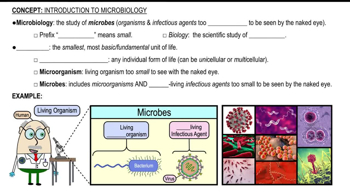
microbe
GR
micro- small
bios-life
Major groups of microorganism (5)
bacteria
viruses
fungi
protozoa
algae
helminths
fields included in microbiology study
geomicrobiologist
marine microbiologist
Astro microbiologist
nurse epidemiologist
medical technologist
origin of microorganism
bacteria like cells -3.5 bilion years in rocks,
domination -2 billion years
organelles development - 1.8 billion years.
prokaryotic
procaryotic
GR
pro-before
karyon- nucleus
organelles
GR
organa- tool
elle- small
eukaryotic
eucaryotic
GR
eu- true
karyon- nucleus
what process mage procaryotic cells evolve into eukaryotic
endosymbiosis
mycology
study of
small eukaryotic cells like yeast and mold
large -mushroom and puffballs
bacteriology
study of
small single celled procaryotic organism
protozoology
protozoa -animal like single celled eukaryotes
virology
noncellular particles that parasite cells
parasitology
patogenic protozoa, helminths worms, certain insects
phycology/algology
simple photosynthetic eukaryotes - the algae * simple celled forms to large seaweed
morphology
detailed structure of microorganism
physiology
function (metabolism at cellular and molecular level)
taxonomy
classification, naming, identification
glycocalyx
coat on cell membrane
glycoprotein
glycolipids
ptoteoglycan
GR -glycys- sweet calyx- husk( lupina)
-cell to cell communication, recognition, adhesion, protection
bacteriophages
complex viruses
procaryotic examples
microorganism- bacterium and archae
arthropods
fleas, ticks
eucaryotic examples
algae, protozoa, mold(fungi)yeast ( fungi),
worms, anthropoids - although big they produce microscopic eggs, larvae
what are most common microbes on earth
viruses
size of microbes
most from 100um to 10 nm
photosynthesis
convers co2 to organic material creating oxygen
decomposition
break down of dead matter turn it to simple compound directed back to natural cycle of living things
bioremediation
bio-life
re- again
mederi-heal