 Back
Microbiology Exam 2 Review Topics
 05:10

Terms in this set (22)
Replication, Transcription, and Translation flow of genetic information from DNA to RNA to protein.
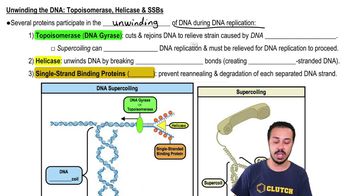
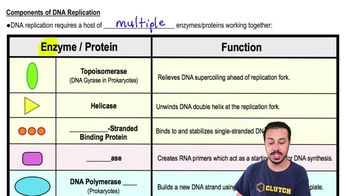
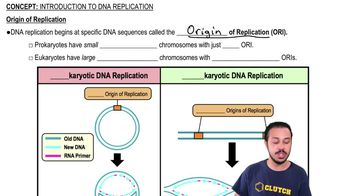
DNA polymerase synthesizes DNA during replication; RNA polymerase synthesizes RNA during transcription.
Demonstrated semi-conservative DNA replication using isotopic labeling of DNA.
A cluster of genes under control of a single promoter, producing polycistronic mRNA.
Proteins that direct RNA polymerase to specific promoters to initiate transcription.
Termination mechanism where Rho protein binds RNA and causes RNA polymerase to dissociate.
Technique to show protein-DNA binding by observing mobility shifts in electrophoresis.
Positive control activates transcription; negative control represses transcription.
Controlled by both positive (CAP-cAMP) and negative (LacI repressor) mechanisms.
Cell-density dependent gene regulation using autoinducers to coordinate behavior.
Penicillin and beta-lactams inhibit peptidoglycan cross-linking, weakening bacterial cell walls.
Enzyme produced by bacteria that breaks down beta-lactam antibiotics, conferring resistance.
Vertical: parent to offspring; Horizontal: transfer between unrelated bacteria.
Transformation, transduction (generalized and specialized), and conjugation.
Mixing two strains (R + G) produces yellow (Y) colonies, showing DNA uptake and recombination.
Gene transfer via bacteriophages; generalized transfers random DNA, specialized transfers specific DNA.
Mobile genetic elements that can jump within genomes, often carrying antibiotic resistance genes.
Bacterial system that stores foreign DNA sequences to target and destroy invading DNA in future infections.
Subviral agents composed of non-coding RNA that interfere with host RNA function.
Protein-only infectious agents causing diseases by inducing misfolding of normal proteins.
Sequencing environmental DNA to study microbial communities without culturing.
Includes gene chips and RNA sequencing to analyze gene expression patterns.