 Back
BackMicrobiology Exam 4 Study Guide
 05:43
05:43
Terms in this set (22)
The skin layers are epidermis, dermis, and hypodermis. They provide physical barriers, with keratin and sebum contributing to protection against pathogens.
Tears contain enzymes and antimicrobial substances that protect the eye. Lacrimal ducts help flush out pathogens to prevent infections.
Skin lesions include macule, papule, pustule, vesicle, and ulcer. They help in diagnosis but are not specific to pathogens.
Causes furuncles, carbuncles, abscesses, SSSS (Staphylococcal scalded skin syndrome), and impetigo.
Causes cellulitis, erysipelas, erythema nodosum, and necrotizing fasciitis.
Causes hot tub folliculitis and otitis (ear infection).
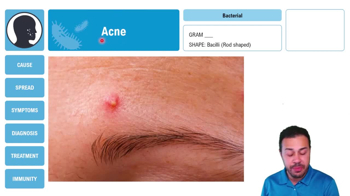
Causes acne by infecting hair follicles and sebaceous glands.
Causes anthrax, a serious skin infection with characteristic black eschar lesions.
Haemophilus influenzae causes bacterial conjunctivitis; Neisseria gonorrhoeae causes ophthalmia neonatorum; Chlamydia trachomatis causes trachoma.
HPV causes warts; HSV causes cold sores, oral herpes, and keratitis; Roseola and Fifth Disease are caused by human herpesvirus and parvovirus respectively.
Trichophyton spp. causes tinea infections; Aspergillus sp. causes cutaneous aspergillosis; Candida spp. causes candidiasis of nails and skin.
Acanthamoeba spp. causes Acanthamoeba keratitis, a serious eye infection.
The upper respiratory tract includes nose and throat; the lower respiratory tract includes trachea and lungs. The mucociliary escalator and goblet cells produce mucus to trap and remove pathogens.
Respiratory infections spread mainly via droplets and aerosols. Close contact increases transmission risk.
Streptococcus pyogenes causes strep throat and scarlet fever; Streptococcus pneumoniae causes pneumonia and otitis media; Corynebacterium diphtheriae causes diphtheria; Mycobacterium tuberculosis causes tuberculosis.
Includes Influenza virus (HA and NA proteins), SARS-CoV-2 (COVID-19), RSV, Measles (rubeola), Rubella (German measles), and Varicella-zoster virus (chickenpox and shingles).
Histoplasmosis from bird droppings; Coccidioidomycosis from soil spores; Aspergillosis opportunistic; Pneumocystis in immunocompromised patients.
Female urethra is shorter, increasing UTI risk. Urine dipstick tests detect infection indicators.
Leptospira interrogans causes leptospirosis; Ureaplasma urealyticum causes nongonococcal urethritis.
Neisseria gonorrhoeae causes gonorrhea; Chlamydia trachomatis causes chlamydia and LGV; Haemophilus ducreyi causes chancroid; Treponema pallidum causes syphilis with primary, secondary, and tertiary stages.
Herpes Simplex Virus (HSV) causes latent and recurrent infections; Human Papillomavirus (HPV) causes warts and increases cancer risk.
Candida albicans causes candidiasis; Trichomonas vaginalis causes trichomoniasis, a motile protozoan infection.