 Back
BackMicrobiology: Microbial Growth and Reproduction
 03:35
03:35
Terms in this set (25)
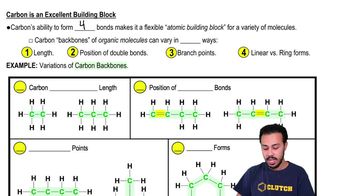
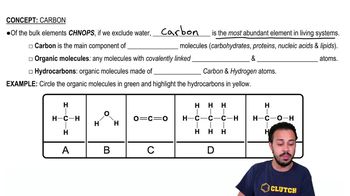
Carbon is the primary element in all organic compounds and is essential for building cell structures and energy storage.
Hydrogen and oxygen are key components of organic molecules and participate in energy production and cellular respiration.
Nitrogen is vital for synthesizing amino acids, proteins, nucleic acids, and other cellular components.
Trace elements like iron, copper, and zinc act as cofactors for enzymes and are essential in small amounts for microbial metabolism.
Vitamins serve as coenzymes or precursors for enzyme cofactors, aiding in metabolic reactions.
Photoautotrophs, chemoautotrophs, photoheterotrophs, and chemoheterotrophs differ by their carbon source (CO2 or organic) and energy source (light or chemical compounds).
Anaerobes do not require oxygen and may be harmed by it; aerobes require oxygen for growth.
Aerotolerant anaerobes do not use oxygen but can tolerate its presence without harm.
Facultative anaerobes can grow with or without oxygen, using aerobic respiration when oxygen is present and fermentation or anaerobic respiration when absent.
Microaerophiles require oxygen at lower concentrations than atmospheric levels for growth.
Microbes produce enzymes like superoxide dismutase and catalase to neutralize toxic oxygen species.
Nitrogen fixation is the conversion of atmospheric nitrogen to ammonia, making nitrogen available for biosynthesis in microbes and ecosystems.
Temperature affects enzyme activity and membrane fluidity; microbes have optimal, minimum, and maximum growth temperatures.
Microbes have optimal pH ranges; extreme pH can denature enzymes and inhibit growth.
Osmotic pressure affects water availability; hydrostatic pressure influences cell structure and function, impacting microbial survival.
Quorum sensing is cell-to-cell communication that regulates gene expression and can trigger biofilm formation.
Specimens are collected aseptically from body sites like blood, urine, sputum, or wounds to avoid contamination.
Includes nutrient agar, enriched media, selective media, differential media, reducing media, and transport media.
Refrigeration slows growth; deep-freezing preserves by freezing; lyophilization removes water by freeze-drying for long-term storage.
Binary fission is asexual reproduction where one cell divides into two; generation time is the time for one division cycle.
During logarithmic growth, bacteria divide at a constant rate, causing exponential population increase.
Includes lag phase, log phase, stationary phase, and death phase, each with distinct growth characteristics.
Direct methods count cells or colonies; indirect methods measure turbidity or metabolic activity.
Use endospore staining and microscopy to detect resistant, dormant structures inside cells.
Acid-fast staining identifies microbes with high mycolic acid content in their cell walls.