Back

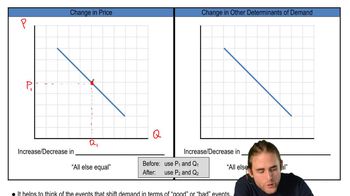
Movement Along a Demand Curve definitions

Control buttons has been changed to "navigation" mode.
1/13
  • Demand Curve

    A graphical representation showing the relationship between price and quantity demanded, holding other factors constant.
  • Quantity Demanded

    The specific amount of a good consumers are willing to buy at a given price, with all other factors unchanged.
  • Price

    The monetary value assigned to a good or service, serving as a key variable in demand analysis.
  • Determinant

    A factor other than price that influences demand, such as income or preferences, potentially shifting the demand curve.
  • Ceteris Paribus

    An assumption used to isolate the effect of one variable by holding all other relevant factors constant.
  • Shift

    A change in the position of the demand curve caused by factors other than price, indicating altered demand.
  • Movement

    A change along the same demand curve resulting from a change in price, affecting quantity demanded.
  • Consumer Preferences

    The tastes and choices of buyers that can increase or decrease demand for a particular good.
  • Income

    The financial resources of buyers, which can affect their ability to purchase goods and shift demand.
  • D1

    The original demand curve used as a reference point before any shift occurs.
  • D2

    The new demand curve drawn after a shift, reflecting a change in demand due to determinants.
  • Increase in Demand

    A rightward shift of the demand curve, showing higher quantity demanded at the same price.
  • Decrease in Quantity Demanded

    A reduction in the amount buyers are willing to purchase, resulting from a price increase.