Major Mineral: Chloride, Magnesium, & Sulfur definitions Flashcards
Major Mineral: Chloride, Magnesium, & Sulfur definitions
You can tap to flip the card.
Control buttons has been changed to "navigation" mode.
1/15
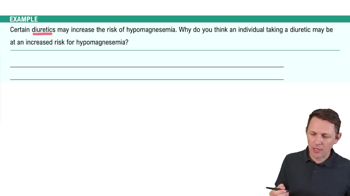
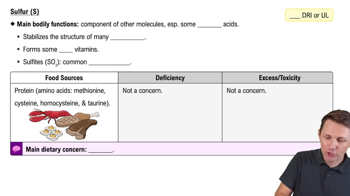
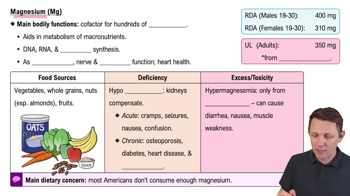
ChlorideA major extracellular electrolyte essential for water balance, blood pH buffering, and a component of stomach acid.Extracellular ElectrolyteAn ion present outside cells, crucial for fluid balance and electrical signaling in the body.Sodium ChlorideA compound commonly known as table salt, serving as the primary dietary source of both sodium and chloride.Hydrochloric AcidA strong acid in the stomach, vital for digestion, with chloride as a key component.Adequate IntakeA recommended daily nutrient amount set to ensure sufficient intake for most healthy individuals.Tolerable Upper LimitThe maximum daily intake unlikely to cause adverse health effects in the general population.MagnesiumA major mineral acting as a cofactor for hundreds of enzymes, supporting metabolism, nerve, and muscle function.CofactorA non-protein chemical compound required for enzyme activity, often a mineral like magnesium.Macronutrient MetabolismThe biochemical processes that break down carbohydrates, proteins, and fats for energy and cellular function.Protein SynthesisThe cellular process of building proteins from amino acids, requiring minerals like magnesium and sulfur.HypomagnesemiaA deficiency state marked by low magnesium levels, potentially causing cramps, seizures, and confusion.HypermagnesemiaA condition of excess magnesium, usually from supplements, leading to diarrhea, nausea, and muscle weakness.SulfurA major mineral found in certain amino acids, crucial for stabilizing protein structures and forming some B vitamins.Amino AcidsOrganic compounds serving as protein building blocks, some of which contain sulfur for structural stability.SulfitesChemical preservatives containing sulfur, generally safe except for individuals with specific sensitivities.