 Back
Nutrition Fundamentals: Carbohydrates, Lipids, Proteins, Vitamins, and Minerals
 01:35

Terms in this set (27)
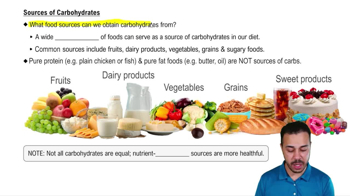
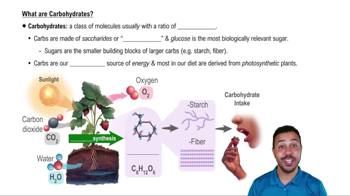
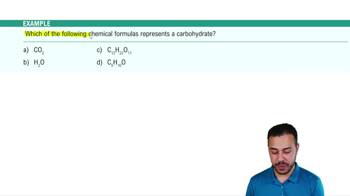
Carbohydrates are organic compounds made of carbon, hydrogen, and oxygen, serving as the body's main source of energy.
- Glucose: main energy source for cells.
- Fructose: sweetest natural sugar, found in fruits and honey.
- Galactose: part of lactose in milk.
Disaccharides are carbohydrates made of two monosaccharides. Examples: sucrose (glucose + fructose), lactose (glucose + galactose), maltose (glucose + glucose).
Lactose intolerance is caused by lactase deficiency, leading to bloating, gas, and diarrhea after consuming dairy.
Polysaccharides are complex carbohydrates made of many monosaccharides. Types include starch (plant storage), glycogen (animal storage), and fiber (indigestible plant material).
Fiber promotes bowel regularity, lowers cholesterol, controls blood glucose, and reduces risk of heart disease, diabetes, and some cancers.
Begins in mouth with salivary amylase, continues in small intestine with pancreatic amylase and brush border enzymes, where monosaccharides are absorbed.
Insulin lowers blood glucose; glucagon raises blood glucose. Both are secreted by the pancreas.
Type 1: autoimmune destruction of beta cells, requires insulin. Type 2: insulin resistance, managed with diet, exercise, medication.
Triglycerides are the main form of fat, composed of glycerol and three fatty acids.
Saturated fats have no double bonds, solid at room temperature (animal fats). Unsaturated fats have one or more double bonds, liquid at room temperature (plant oils, nuts).
Omega-3 (alpha-linolenic acid) and Omega-6 (linoleic acid) are essential fatty acids.
Trans fats are produced by hydrogenation, increase LDL cholesterol, decrease HDL cholesterol, and raise heart disease risk.
Lipid digestion starts in mouth and stomach, mainly in small intestine with pancreatic lipase. Bile emulsifies fats to aid digestion.
Fatty acids and monoglycerides absorbed into enterocytes, packaged into chylomicrons, transported via lymphatic system to bloodstream.
Proteins provide structural support, act as enzymes and hormones, support immune function, transport molecules, and maintain fluid and pH balance.
Essential amino acids are the 9 amino acids that must be obtained from the diet because the body cannot synthesize them.
Primary: amino acid sequence; Secondary: local folding (alpha-helix, beta-sheet); Tertiary: 3D shape; Quaternary: multiple polypeptide chains.
Denaturation is the loss of protein structure due to heat, pH, or chemicals, which affects protein function.
Begins in stomach with pepsin and HCl; continues in small intestine with pancreatic proteases and brush border enzymes.
Nitrogen balance is the balance between nitrogen intake and loss; positive during growth, negative during illness.
Vitamins are organic compounds needed in small amounts for metabolism. Classified as water-soluble (B-complex, C) and fat-soluble (A, D, E, K).
Minerals are inorganic elements essential for body functions. Classified as major minerals (e.g., calcium) and trace minerals (e.g., iron).
Free radicals are unstable molecules that damage cells; antioxidants neutralize free radicals to prevent oxidative stress.
Phytochemicals are non-nutrient plant compounds with antioxidant and anti-inflammatory effects that may reduce chronic disease risk.
Carbohydrates: 45-65%, Fats: 20-35%, Proteins: 10-35% of total calories.
Protein: marasmus, kwashiorkor; Vitamins: scurvy (C), rickets (D), anemia (B12, iron); Minerals: osteoporosis (calcium), goiter (iodine).