 Back
Nutrition Key Concepts
 05:25

Terms in this set (12)
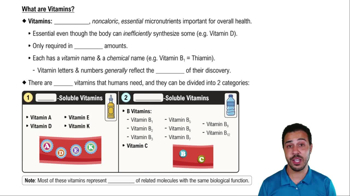
Vitamins and minerals come from fruits, vegetables, dairy, meat, and grains. Some vitamins like vitamin D can be made in the body through sunlight exposure.
Vitamin D is synthesized in the skin with sunlight. Vitamin K and some B vitamins can be produced by gut bacteria.
Osteoblasts build bone by forming new bone matrix. Osteoclasts break down bone tissue for remodeling and calcium release.
Leukocytes are white blood cells that defend the body against infections and foreign substances.
Age, sex, body fat, and hydration status affect the percentage of water in the body. Muscle contains more water than fat.
A birth defect from incomplete closure of the neural tube, often linked to folate deficiency during pregnancy.
Processed foods, canned soups, salted snacks, and fast food are typically high in sodium.
Fresh fruits, vegetables, unsalted nuts, and fresh meats generally have low sodium content.
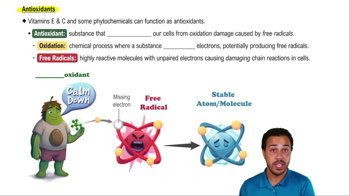
Free radicals are unstable molecules with unpaired electrons that can damage cells by oxidative stress.
They form during normal metabolism, exposure to radiation, pollution, smoking, and inflammation.
Smoking, UV exposure, pollution, poor diet, and chronic inflammation increase free radical formation.
Free radicals damage DNA, proteins, and cell membranes, contributing to aging and diseases like cancer.