 Back
Nutrition Key Concepts
 05:47

Terms in this set (17)
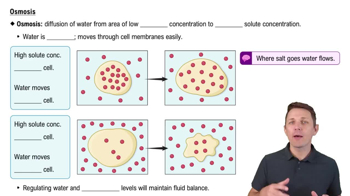
Water moves across cell membranes by osmosis from areas of low electrolyte concentration to high electrolyte concentration, affecting cell volume and function.
Bone development starts with ossification, beginning in the fetal stage, followed by growth and remodeling throughout life.
A pro-vitamin is a substance that the body can convert into an active vitamin, such as beta-carotene converting to vitamin A.
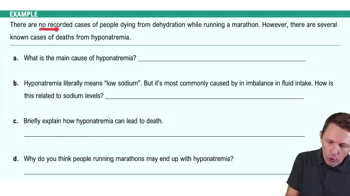
Dehydration is the excessive loss of body water, leading to impaired physiological functions and symptoms like thirst and dry mouth.
Heat stroke is a severe heat illness where the body's temperature regulation fails, causing dangerously high body temperature and potential organ damage.
Heat cramps are painful muscle spasms caused by electrolyte imbalances due to excessive sweating during heat exposure.
Heat exhaustion is a heat-related illness with symptoms like heavy sweating, weakness, and dizziness, caused by fluid and electrolyte loss.
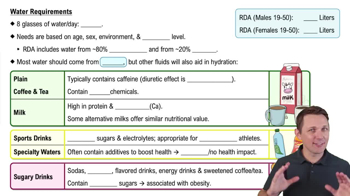
Energy drinks often contain high caffeine and sugar levels, which can cause dehydration, increased heart rate, and other health risks.
Hypercalcemia can cause kidney stones, bone pain, fatigue, and impaired heart and brain function.
Water regulates temperature, transports nutrients, removes waste, lubricates joints, and supports cellular functions.
Sweating helps cool the body by releasing heat through evaporation of water from the skin.
Vitamins C, E, and beta-carotene act as antioxidants that protect cells from damage by free radicals.
Smoking, excessive alcohol, poor diet, obesity, and UV exposure increase cancer risk.
High intake of fruits, vegetables, fiber, regular exercise, and avoiding tobacco reduce cancer risk.
Heme iron comes from animal products and is absorbed better; non-heme iron comes from plants and is less efficiently absorbed.
The thirst mechanism is triggered by increased blood osmolarity or decreased blood volume, prompting fluid intake.
Consume low sodium, adequate potassium, calcium, and magnesium, and maintain a balanced diet to support normal blood pressure.