 Back
BackCarbohydrates: Structure, Digestion, Functions, and Health Implications
Study Guide - Smart Notes
 Tailored notes based on your materials, expanded with key definitions, examples, and context.
Carbohydrates
A Closer Look at Carbohydrates
Carbohydrates are essential nutrients that serve as the primary energy source for the body, nourish the brain and nervous system, and help maintain a healthy body composition. They are classified based on their chemical structure and rate of digestion.
Digestible carbohydrates provide energy and bulk in foods, including vitamins and minerals.
Indigestible carbohydrates contribute dietary fiber, which supports digestive health.
Classification of Carbohydrates
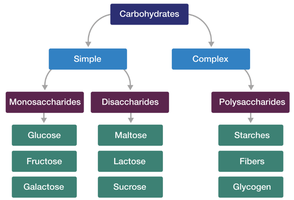
Carbohydrates are divided into two main categories:
Simple carbohydrates: Fast-releasing, include monosaccharides (glucose, fructose, galactose) and disaccharides (maltose, lactose, sucrose).
Complex carbohydrates: Slow-releasing, include polysaccharides (starches, fibers, glycogen).
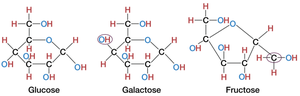
Monosaccharides and Disaccharides
Monosaccharides are the simplest carbohydrate units. Examples: glucose, fructose, galactose.
Disaccharides consist of two monosaccharides linked together. Examples: lactose, maltose, sucrose.
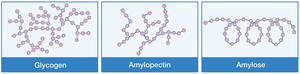
Polysaccharides
Polysaccharides are long chains of monosaccharides, which may be branched or unbranched.
Main groups: starches (plant storage), fibers (indigestible), glycogen (animal storage).
Digestion and Absorption of Carbohydrates
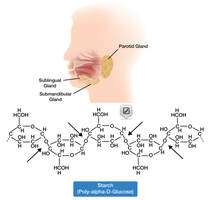
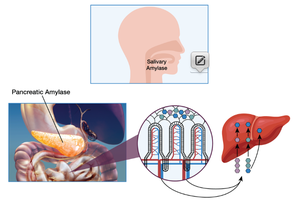
Carbohydrate digestion begins in the mouth and continues in the small intestine, where enzymes break down complex carbohydrates into absorbable monosaccharides.
Salivary amylase initiates carbohydrate breakdown in the mouth.
In the stomach, amylase is inactivated by acidic conditions.
Pancreatic amylase continues digestion in the small intestine.
Monosaccharides are absorbed into the bloodstream and delivered to the liver.
Glycemic Index and Glycemic Load
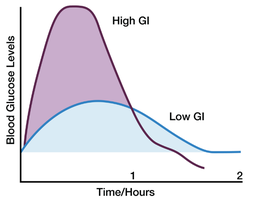
Glycemic index (GI) measures the effect of carbohydrate-containing foods on blood glucose levels.
Glycemic load (GL) is calculated as:
Foods with high GI cause rapid spikes in blood glucose; low GI foods result in slower, steadier increases.

The Functions of Carbohydrates in the Body
Carbohydrates serve five primary functions in human physiology.
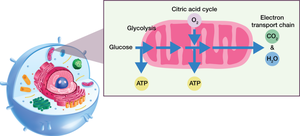
Energy production: Glucose is broken down via glycolysis and cellular respiration to produce ATP.
Energy storage: Excess glucose is stored as glycogen in muscles and liver.
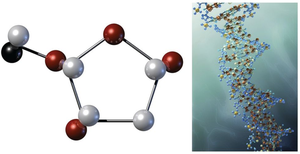
Building macromolecules: Glucose is used to synthesize ribose and deoxyribose for RNA, DNA, and ATP.
Sparing protein: Adequate carbohydrate intake prevents protein breakdown for energy (gluconeogenesis).
Assisting in lipid metabolism: Glucose inhibits lipid breakdown, preventing ketosis.

Diabetes: Health Implications and Dietary Approaches
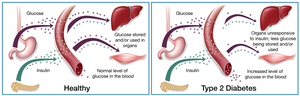
Diabetes is a metabolic disease characterized by insulin deficiency or resistance, resulting in elevated blood glucose levels.
Type 1 diabetes: Autoimmune destruction of insulin-secreting cells; requires insulin injections.
Type 2 diabetes: Insulin resistance in muscle, liver, and fat cells; managed by diet, physical activity, and medication.
Metabolic syndrome: Presence of three or more risk factors for type 2 diabetes and cardiovascular disease.
Health Consequences and Benefits of High- and Low-Carbohydrate Diets
The type and amount of carbohydrates consumed can impact health outcomes.
Added sugars: Excessive intake increases risk for type 2 diabetes and oral disease.
Whole grains: Rich in fiber, vitamins, minerals, and healthy fats; reduce risk of chronic diseases.
Low-carbohydrate diets: May improve insulin resistance, lower blood pressure, and reduce triglycerides.
Carbohydrates and Personal Diet Choices
Dietary recommendations emphasize the importance of consuming adequate carbohydrates and fiber from whole, unrefined sources.
Recommended Dietary Allowance (RDA) for carbohydrates: 130 grams per day for children and adults.
Acceptable Macronutrient Distribution Range (AMDR): 45–65% of total calories from carbohydrates.
Adequate Intake (AI) for fiber: 38 grams for men, 25 grams for women.
Choose whole grains, fruits, vegetables, beans, and nuts for nutrient-dense carbohydrate sources.
Limit foods with added sugars and highly processed ingredients.
Examples of High-Fiber, Whole-Carbohydrate Foods
Whole-grain breads and cereals
Low-fat dairy products
Fruits and vegetables
Beans, nuts, seeds

Key Takeaways
Carbohydrates are vital for energy, cellular function, and overall health.
Whole grains and fiber-rich foods reduce disease risk and support digestive health.
Managing carbohydrate intake is crucial for preventing and controlling diabetes and other chronic diseases.
Dietary guidelines recommend prioritizing nutrient-dense, low-GI carbohydrates and minimizing added sugars.
