 Back
BackCarbohydrates: Structure, Function, Digestion, and Health Implications
Study Guide - Smart Notes
 Tailored notes based on your materials, expanded with key definitions, examples, and context.
Carbohydrates: Structure, Function, Digestion, and Health Implications
Types of Carbohydrates
Carbohydrates are essential macronutrients produced by plants through photosynthesis. They are composed of carbon, hydrogen, and oxygen, and serve as a primary energy source for the brain, red blood cells, and all body cells.
Simple Carbohydrates: Include monosaccharides (single sugar units) and disaccharides (two sugar units).
Complex Carbohydrates: Include polysaccharides, which are long chains of monosaccharide units.

Monosaccharides
Glucose: Most abundant sugar in the diet and body; primary energy source for the brain and red blood cells.
Fructose: Found in fruits and honey; sweeter than other sugars.
Galactose: Found in milk and dairy products; present as a monosaccharide after digestion.

Disaccharides
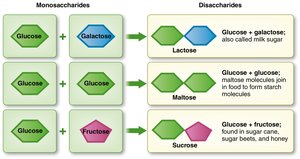
Sucrose: Glucose + Fructose; found in table sugar, fruits, and honey.
Maltose: Glucose + Glucose; formed during starch breakdown.
Lactose: Glucose + Galactose; found in milk products.
Polysaccharides
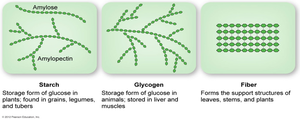
Starch: Storage form of glucose in plants; found in grains, legumes, and tubers.
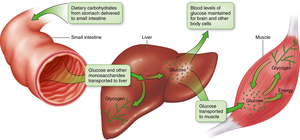
Glycogen: Storage form of glucose in animals; stored in liver and muscles.
Dietary Fiber: Nondigestible part of plants; includes cellulose, pectin, and others.
Functions of Carbohydrates
Carbohydrates provide 4 kcal/gram and are the primary energy source for daily activities and exercise. They also spare protein from being used as an energy source and prevent ketoacidosis by ensuring adequate glucose availability.
Glucose: Used for ATP production; stored as glycogen in liver and muscles.
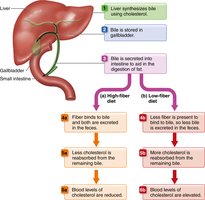
Fiber: Promotes digestive health, regulates blood glucose, and lowers cholesterol.
Digestion and Absorption of Carbohydrates
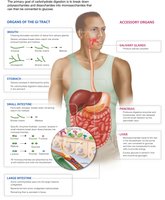
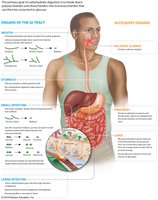
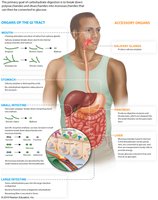
Carbohydrate digestion begins in the mouth with salivary amylase, continues in the small intestine with pancreatic amylase and disaccharidases, and ends with absorption of monosaccharides into the bloodstream.
Mouth: Salivary amylase breaks down starch.
Stomach: No significant carbohydrate digestion.
Small Intestine: Major site of carbohydrate digestion and absorption.
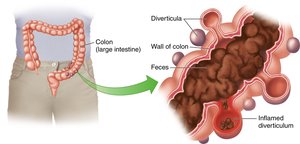
Large Intestine: Fermentation of soluble fiber; insoluble fiber adds bulk to stool.
Regulation of Blood Glucose
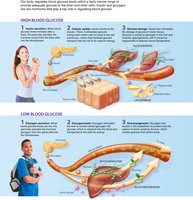
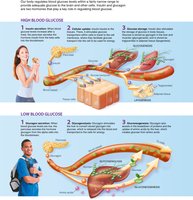
Blood glucose is tightly regulated by hormones, primarily insulin and glucagon, to maintain homeostasis.
Insulin: Lowers blood glucose by promoting cellular uptake and glycogen synthesis.
Glucagon: Raises blood glucose by stimulating glycogen breakdown and gluconeogenesis.
Other Hormones: Epinephrine, norepinephrine, and cortisol also influence blood glucose during stress or fasting.
Disorders in Carbohydrate Metabolism
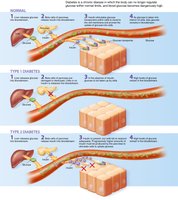
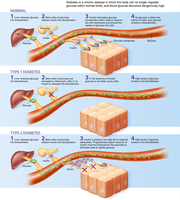
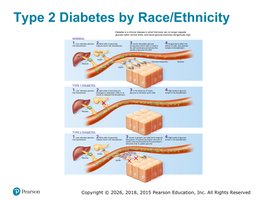
Impaired regulation of blood glucose can lead to diabetes mellitus, a chronic disease with significant health risks.
Type 1 Diabetes: Autoimmune destruction of pancreatic beta cells; requires insulin therapy.
Type 2 Diabetes: Insulin resistance and eventual insulin deficiency; managed with diet, exercise, and medications.
Gestational Diabetes: Develops during pregnancy; managed similarly to type 2 diabetes.
Hypoglycemia: Abnormally low blood glucose; managed with dietary adjustments.


Sugar and Alternative Sweeteners
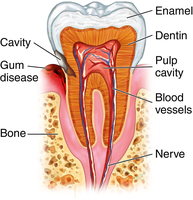
Sugars can be natural or added. Excessive intake of added sugars is linked to dental problems, heart disease, type 2 diabetes, and obesity. Nutritive sweeteners provide energy, while nonnutritive sweeteners are much sweeter and provide little or no energy.
Nutritive Sweeteners: Sucrose, fructose, honey, sugar alcohols (e.g., sorbitol, xylitol).
Alternative Sweeteners: Aspartame, sucralose, acesulfame-K, saccharin; safe in moderation.
Carbohydrate and Fiber Intake Recommendations
The Recommended Dietary Allowance (RDA) for carbohydrates is 130g/day. Carbohydrates should provide 45–65% of daily calories, with a focus on whole foods high in fiber and low in added sugars. The Adequate Intake (AI) for fiber is 25g/day for women and 38g/day for men.
Limit added sugars to less than 10% of total calories.
Increase intake of fruits, vegetables, whole grains, legumes, and nuts.
Be cautious of excessive fiber intake (>50g/day), which can cause gastrointestinal issues and nutrient binding.
