 Back
BackCarbohydrates: Structure, Function, Digestion, and Health Implications
Study Guide - Smart Notes
 Tailored notes based on your materials, expanded with key definitions, examples, and context.
Carbohydrates: Structure and Types
What Are Carbohydrates?
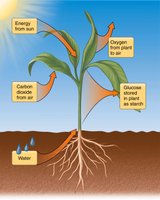
Carbohydrates are essential macronutrients produced by plants through photosynthesis. They are composed of carbon, hydrogen, and oxygen atoms and serve as a primary energy source for the brain, red blood cells, and all body cells. Glucose is the most abundant carbohydrate and is the preferred energy source for the brain and red blood cells.
Macronutrients: Required in large amounts for energy and metabolic functions.
Photosynthesis: Plants convert sunlight, carbon dioxide, and water into glucose and oxygen.
Sources: Fruits, vegetables, grains.
Types of Carbohydrates
Carbohydrates are classified as simple or complex based on their chemical structure.
Simple Carbohydrates: Monosaccharides (single sugar molecules) and disaccharides (two sugar molecules).
Complex Carbohydrates: Polysaccharides (long chains of sugar molecules).
Monosaccharides
Monosaccharides are the simplest form of carbohydrates, consisting of a single sugar molecule.
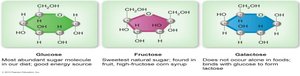
Glucose: Most abundant sugar, basic unit of starch and cellulose, main energy source.
Fructose: Found in fruit and honey, sweeter than other sugars.
Galactose: Structure similar to glucose, found in milk and dairy products.
Disaccharides
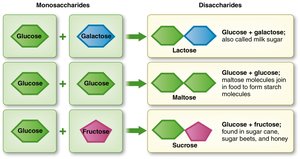
Disaccharides are formed by the combination of two monosaccharides.
Sucrose: Glucose + Fructose; found in table sugar, fruits, honey.
Maltose: Glucose + Glucose; found after starch breakdown.
Lactose: Glucose + Galactose; found in milk products.
Polysaccharides
Polysaccharides are complex carbohydrates composed of many monosaccharide units, primarily glucose.
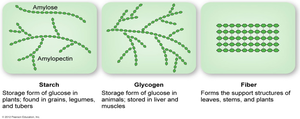
Starch: Storage form of glucose in plants.
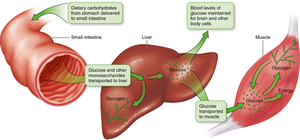
Glycogen: Storage form of glucose in animals (liver and muscles).
Dietary Fiber: Nondigestible part of plants, includes cellulose, pectin, etc.
Complex Carbohydrates: Starch and Fiber
Starch: Found in grains, legumes, tubers; digested to glucose.
Glycogen: Stored in liver and muscles; not found in food.
Fiber: Nondigestible; promotes digestive health.

Types of Fiber
Insoluble Fiber: Does not dissolve in water; promotes regular bowel movements.
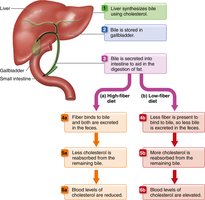
Soluble Fiber: Dissolves in water; can lower blood cholesterol and help control blood glucose.
Functions of Carbohydrates
Energy Provision
Carbohydrates provide 4 kcal/gram and are the primary energy source for daily activities, exercise, and essential functions.
Glucose: Used for energy (ATP) by cells.
Glycogen: Stored in liver and muscles; degraded to supply glucose.
Protein Sparing and Prevention of Ketoacidosis
Protein Sparing: Adequate carbohydrate intake prevents breakdown of proteins for energy.
Ketoacidosis: Insufficient carbohydrates lead to ketone production, increasing blood acidity.
Health Benefits of Fiber
Soluble Fiber: Delays gastric emptying, slows nutrient absorption, lowers blood cholesterol, and may reduce risk of heart disease and type 2 diabetes.
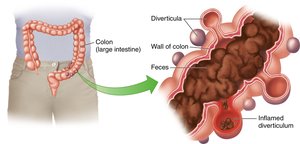
Insoluble Fiber: Increases fecal bulk, promotes regular bowel movements, reduces risk of hemorrhoids, diverticulosis, and colon cancer.
Digestion and Absorption of Carbohydrates
Digestion
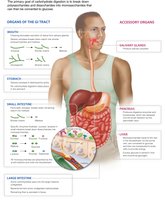
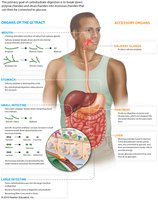
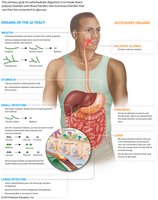
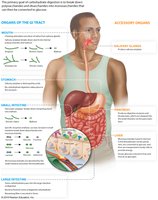
Carbohydrate digestion begins in the mouth and continues in the small intestine.
Mouth: Salivary amylase breaks down starch.
Stomach: No carbohydrate digestion; stomach acid inactivates amylase.
Small Intestine: Disaccharidases break down disaccharides; pancreatic amylase digests starch.
Large Intestine: Fiber is fermented or excreted.
Absorption
Monosaccharides: Absorbed in small intestine; glucose and galactose via active transport, fructose via facilitated diffusion.
Liver: Converts galactose and fructose to glucose; excess glucose stored as glycogen or fat.
Regulation of Blood Glucose
Hormonal Control
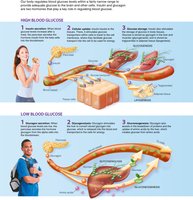
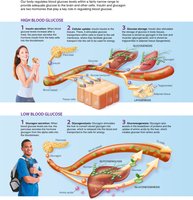
Insulin: Secreted by pancreas when blood glucose is high; promotes glucose uptake and storage as glycogen.
Glucagon: Secreted by pancreas when blood glucose is low; stimulates glycogen breakdown and gluconeogenesis.
Other Hormones: Epinephrine, norepinephrine, and cortisol increase blood glucose during stress.
Blood Glucose Maintenance
Fasting: Glucagon released; glycogen used to maintain blood glucose.
Meal: Insulin released; glucose taken into cells, glycogen synthesized.
Starvation: Protein and fatty acids used for energy; ketones produced.
Disorders in Carbohydrate Metabolism
Diabetes Mellitus
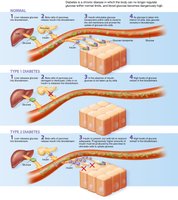
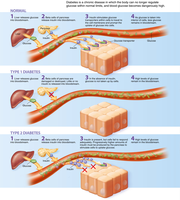
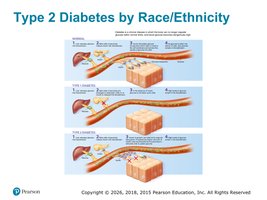
Diabetes is a chronic disease characterized by poor regulation of blood glucose.
Type 1 Diabetes: Autoimmune destruction of insulin-producing cells; requires insulin therapy.
Type 2 Diabetes: Insulin resistance; associated with obesity, poor diet, and inactivity.
Gestational Diabetes: Develops during pregnancy; similar treatment to Type 2.

Symptoms and Treatment
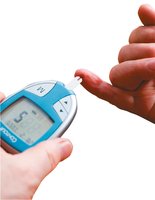
Type 1: Frequent urination, thirst, hunger, weight loss, fatigue; treated with insulin, diet, and monitoring.
Type 2: Similar symptoms; treated with diet, exercise, weight management, and medications.
Gestational: Managed with diet and monitoring; risks to baby include large birth size and increased risk of diabetes.
Hypoglycemia
Symptoms: Shakiness, nervousness, fatigue, hunger, confusion.
Treatment: Small frequent meals, increased fiber, mixed meals.
Sugar and Alternative Sweeteners
Sugars in Food
Natural Sugars: Found in milk, yogurt, fruit, vegetables; accompanied by nutrients.
Added Sugars: Added during processing; provide "empty calories" and are linked to health risks.
Health Risks of Added Sugars
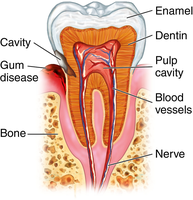
Dental Problems: Increased risk of cavities and tooth decay.
Heart Disease: Associated with higher risk.
Type 2 Diabetes: Increased risk.
Obesity: Excess calorie intake leads to weight gain.
Nutritive and Nonnutritive Sweeteners
Nutritive Sweeteners: Sucrose, fructose, honey, sugar alcohols; provide energy.
Nonnutritive Sweeteners: Aspartame, saccharin, sucralose; provide little or no energy, safe in moderation.
Carbohydrate Recommendations
Dietary Guidelines
RDA for Carbohydrates: 130g/day to supply brain with glucose.
Percentage of Calories: 45–65% of daily intake.
Fiber Intake: 14g per 1000 calories; 25g/day for women, 38g/day for men.
Whole Grains: Consume at least half of grains as whole grains.
Limit Added Sugars: Less than 10% of daily calories.
Health Risks of Excessive Fiber
Intestinal Blockages: Very high fiber intake can cause blockages.
Mineral Binding: Fiber can bind calcium, zinc, iron.
Energy Dilution: Risk for children, elderly, chronically ill.
Low Carbohydrate Diets
Examples: Keto, Paleo, Atkins.
Risks: Lack of fiber, vitamins, minerals; side effects include bad breath, constipation, fatigue, bone loss.
Evidence: No long-term evidence for safety or effectiveness; fiber-rich carbohydrates should not be limited.
2025-2030 Dietary Guidelines
Reduce intake of highly processed, refined carbohydrates.
Focus on fiber-rich whole grain products.
Avoid sugar-sweetened beverages.
Limit added sugars in meals and snacks.
Summary
Carbohydrates are essential for energy, metabolic functions, and health.
Dietary recommendations emphasize whole grains, fiber, and limited added sugars.
Proper regulation and intake of carbohydrates are crucial for preventing metabolic disorders and promoting overall health.
