 Back
BackCarbohydrates: Structure, Function, Digestion, and Health Implications
Study Guide - Smart Notes
 Tailored notes based on your materials, expanded with key definitions, examples, and context.
Carbohydrates: Structure, Classification, and Sources
Definition and Classification of Carbohydrates
Carbohydrates are organic compounds primarily derived from plants and serve as a major energy source in the human diet. They are composed of carbon, hydrogen, and oxygen, and are classified based on the number of sugar units present.
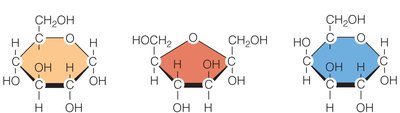
Monosaccharides: Single sugar units such as glucose, fructose, and galactose.
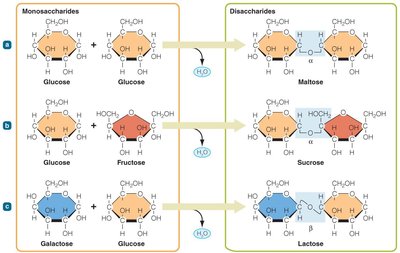
Disaccharides: Composed of two monosaccharides; examples include sucrose (glucose + fructose), lactose (glucose + galactose), and maltose (glucose + glucose).
Oligosaccharides: Chains of 3–10 monosaccharides, found in foods like legumes and certain vegetables.
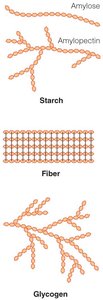
Polysaccharides: Long chains (11+ units) such as starch (amylose, amylopectin), glycogen, and cellulose (fiber).
Condensation Reactions
Monosaccharides are linked by condensation reactions to form disaccharides, releasing water as a byproduct.
Structural Differences in Polysaccharides
Starch, fiber, and glycogen differ in their branching and bonding, affecting their digestibility and physiological roles.
Digestion and Absorption of Carbohydrates
Digestive Process
Carbohydrate digestion begins in the mouth and continues through the gastrointestinal tract, involving enzymatic breakdown into absorbable monosaccharides.
Mouth: Salivary amylase initiates starch breakdown.
Stomach: Acidic environment halts amylase activity.
Small Intestine: Pancreatic amylase and brush border enzymes complete digestion to monosaccharides.
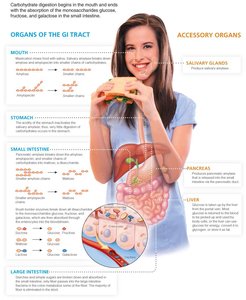
Absorption and Storage
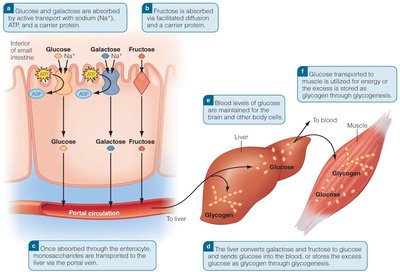
Monosaccharides are absorbed in the small intestine and transported to the liver, where they are converted to glucose or stored as glycogen.
Functions of Carbohydrates in the Body
Primary Roles
Energy Source: Carbohydrates provide 4 kcal/g and are the main fuel for the brain and muscles during activity.
Blood Glucose Regulation: Insulin and glucagon are hormones that maintain blood glucose within the range of 70–110 mg/dL.
Insulin lowers blood glucose by promoting cellular uptake, while glucagon raises it by stimulating glycogen breakdown.
Dietary Fiber and Health
Types and Benefits of Fiber
Soluble Fiber: Dissolves in water, helps lower cholesterol and blood glucose, and increases satiety.
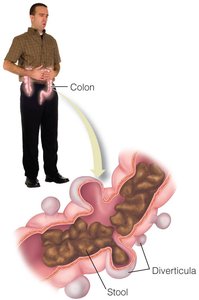
Insoluble Fiber: Adds bulk to stool, aids in relieving constipation, and reduces risk of diverticulosis and colon diseases.
Blood Glucose Regulation and Diabetes
Diabetes Mellitus
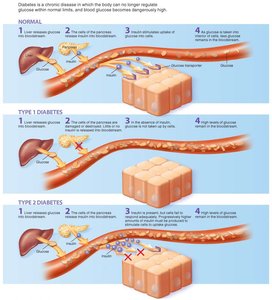
Diabetes is a chronic condition characterized by impaired insulin production or action, resulting in elevated blood glucose levels.
Type 1 Diabetes: Autoimmune destruction of pancreatic beta cells; requires insulin therapy.
Type 2 Diabetes: Insulin resistance, often associated with obesity; managed with lifestyle changes and sometimes medication.
Gestational Diabetes: Occurs during pregnancy due to hormonal changes affecting insulin action.
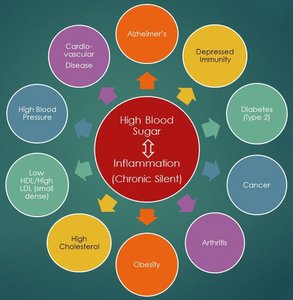
Long-term complications include nerve damage, cardiovascular disease, kidney failure, and vision loss.
Dietary Recommendations and Food Sources
Recommended Intake
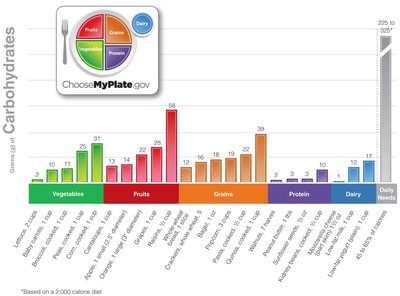
Carbohydrates: Minimum of 130 grams/day (DRI); 45–65% of total energy intake (AMDR).
Fiber: 14 grams per 1,000 kcal; 25–38 grams/day depending on age and sex.
Best Food Sources
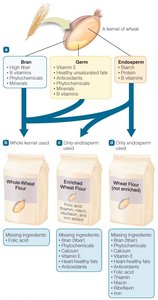
Whole grains, fruits, vegetables, legumes, nuts, and seeds are preferred sources due to their nutrient density and fiber content.
Glycemic Index and Glycemic Load
Definitions and Applications
Glycemic Index (GI): Ranks foods based on their effect on blood glucose levels.
Glycemic Load (GL): Adjusts GI for the amount of carbohydrate in a typical serving.
High-GI foods cause rapid spikes in blood glucose, while low-GI foods result in gradual increases.
Natural Sugars, Added Sugars, and Sugar Substitutes
Types of Sugars
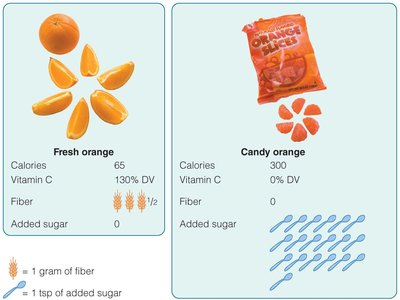
Naturally Occurring Sugars: Found in fruits (fructose) and dairy (lactose); these foods are typically nutrient-dense.
Added Sugars: Added during processing or preparation; provide energy but few nutrients and are associated with increased risk of dental caries and chronic disease.

Sugar Substitutes
Polyols (Sugar Alcohols): Provide sweetness with fewer calories; examples include xylitol and sorbitol.
Artificial Sweeteners: Include saccharin, aspartame, sucralose, stevia, and neotame; much sweeter than sucrose and often non-caloric.
These substitutes are regulated by the FDA and can help reduce caloric intake and dental caries risk.
Tables
Table: Interpreting Blood Glucose and A1C Levels
If Fasting Blood Glucose and A1C Levels Are | It Means That the Levels Are Considered |
|---|---|
< 100 mg/dL, less than 5.7% | Normal |
100–125 mg/dL, 5.7–6.4% | Prediabetic |
≥ 126 mg/dL, 6.5% or higher | Diabetic |
Table: Fiber Needs by Age and Sex
Group | Males (g/day) | Females (g/day) |
|---|---|---|
Ages 14–18 | 38 | 26 |
Ages 19–50 | 38 | 25 |
Ages 51–70+ | 30 | 21 |
Pregnancy | - | 28 |
Lactation | - | 29 |
