 Back
BackChapter 3: Digestion – The Human Body & Digestion
Study Guide - Smart Notes
 Tailored notes based on your materials, expanded with key definitions, examples, and context.
The Human Body & Digestion
Introduction to Digestion
The process of digestion involves the breakdown of food into absorbable components, allowing the body to extract and utilize nutrients. The gastrointestinal (GI) tract and accessory organs work together to accomplish digestion, absorption, and elimination.
Why We Eat
Hunger vs. Appetite
Hunger: The physiological drive for food, nonspecific, and can be satisfied by a variety of foods.
Appetite: The psychological desire to consume specific foods, often triggered by environmental cues and satisfied by particular foods.

Neural and Hormonal Regulation of Eating
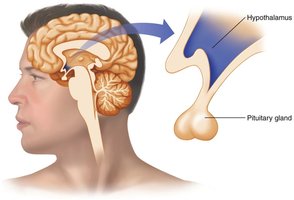
Hypothalamus: Brain region that triggers feelings of hunger or satiety by receiving signals from the stomach and small intestine.
Enteric Nervous System: Network of neurons in the GI tract that communicates with the brain to indicate fullness or emptiness.
Hormones Involved in Hunger and Satiety
Insulin & Glucagon: Regulate blood glucose levels.
Ghrelin: Stimulates hunger by acting on the hypothalamus.
CCK (Cholecystokinin): Stimulates satiety center, suppressing hunger.
Leptin: Suppresses hunger by acting on the hypothalamus.
Factors Affecting Satiety
Protein-rich foods provide the highest satiety, followed by fats, then carbohydrates.
High-fat diets are more satiating than high-carbohydrate diets.
Meals high in fiber and water increase stomach distension and satiety.
Solid foods are more filling than liquids or semisolids.
Organs Involved in Digestion
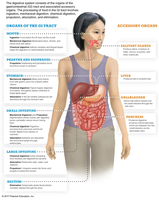
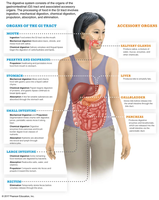
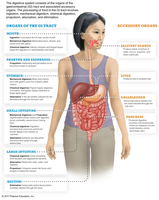
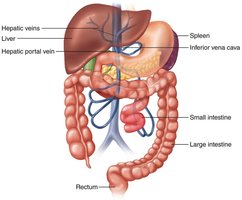
The digestive system consists of the GI tract (mouth, pharynx, esophagus, stomach, small intestine, large intestine, rectum) and accessory organs (salivary glands, liver, gallbladder, pancreas).
Stomach
Gastric Secretions and Functions
Gastrin: Hormone that stimulates the secretion of gastric juice.
Gastric Juice: Contains hydrochloric acid (HCl), pepsin, gastric lipase, and intrinsic factor.
HCl: Denatures proteins and activates pepsin.
Pepsin: Begins protein digestion.
Gastric Lipase: Digests fats.
Intrinsic Factor: Essential for vitamin B12 absorption.
Food is mixed with gastric juice to form chyme.
Motility in the GI Tract
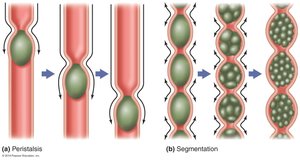
Peristalsis: Wave-like muscle contractions that move food through the GI tract.
Segmentation: Rhythmic contractions that mix food and increase contact with digestive juices.
Stomach pH and Protection
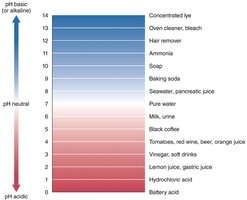
The stomach is highly acidic (pH 1-3) due to HCl.
A mucus layer and bicarbonate secretion protect the stomach lining from acid damage.
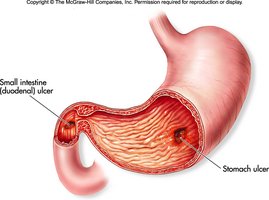
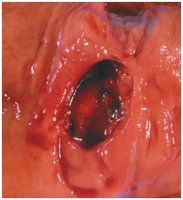
Stomach Ulcer (Peptic Ulcer)
Caused by Helicobacter pylori infection or excessive acid production.
Symptoms: Abdominal pain, nausea, vomiting.
Treatment: Acid-reducing medications and antibiotics.
Gastroesophageal Reflux Disease (GERD)
Occurs when stomach acid flows back into the esophagus, causing heartburn and discomfort.
Recommendations: Avoid trigger foods (mint, chocolate, alcohol, caffeine, acidic and spicy foods), eat smaller meals, limit fatty foods, stay upright after eating, and avoid smoking.
Foods that may help: High-fiber, alkaline, and watery foods.
Small Intestine
Primary Site of Digestion and Absorption
90% of nutrient digestion and absorption occurs here.
Carbohydrates, fats, proteins, vitamins, minerals, and water are absorbed.
Hormones and Enzymes in the Small Intestine
Secretin: Stimulates pancreatic bicarbonate release to neutralize acid.
Gastric Inhibitory Peptide (GIP): Stimulates insulin secretion, reduces stomach acid, slows gastric emptying.
Cholecystokinin (CCK): Stimulates digestive enzyme secretion and suppresses hunger.
Enzymes: Pancreatic amylase (carbohydrates), pancreatic lipase (fats), proteases (proteins), sucrase/maltase/lactase (carbohydrates).
Villi and Microvilli
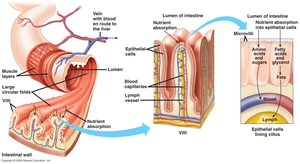
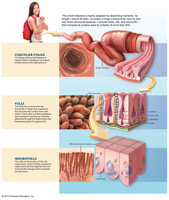
Finger-like projections (villi) and microscopic extensions (microvilli) increase the surface area of the small intestine by 600x, enhancing nutrient absorption.
Celiac Disease
Autoimmune disorder triggered by gluten (gliadin) in wheat, barley, and rye.
Damages the small intestine lining, reducing nutrient absorption and causing GI distress.
Treatment: Strict gluten-free diet.
Gluten-Free Diet
Contains Gluten: Wheat, rye, barley, triticale, bulgur, malt, etc.
May Contain Gluten: Oats, processed foods, sauces, gravies, etc.
Gluten-Free: Potato, corn, rice, buckwheat, quinoa, legumes, nuts, etc.
Large Intestine (Colon)
Functions of the Large Intestine
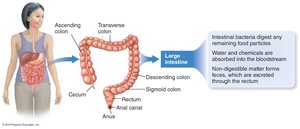
Stores undigested food material.
Absorbs water, short-chain fatty acids, and electrolytes.
Beneficial bacteria assist with final digestion and produce vitamins.
Forms and eliminates feces.
Ulcerative Colitis
Chronic inflammation and ulceration of the colon mucosa.
Treatment: Medications, surgery, immunosuppressants, dietary management, and bowel rest as needed.
Microbiome
Gut bacteria finish digesting nutrients, ferment fiber, produce vitamins, inhibit harmful bacteria, and reduce constipation/diarrhea risk.
Probiotic Foods
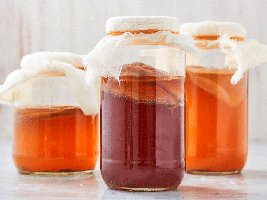
Contain live beneficial microorganisms (e.g., Lactobacillus, Bifidobacterium).
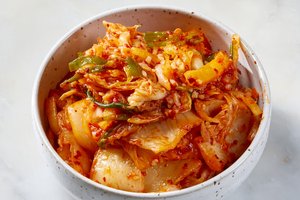
Examples: Yogurt, kefir, kombucha, sauerkraut, kimchi.
Supplements should list CFU at the end of shelf life.
Prebiotic Foods
Non-digestible fibers that feed beneficial gut bacteria (e.g., inulin, FOS, GOS, resistant starch).
Sources: Chicory root, garlic, onions, leeks, asparagus, green bananas, oats, barley, beans, lentils, soybeans.
Enteric Nervous System (ENS)
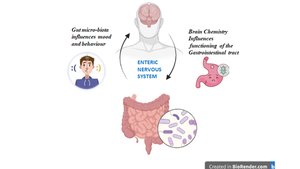
Known as the "second brain," the ENS is the largest and most complex part of the peripheral nervous system, with ~600 million neurons.
Controls secretions, blood flow, hormone release, and motility in the GI tract.
Gut and brain are in constant communication, influencing mood, behavior, and GI function.
Accessory Organs in Digestion
Liver
Produces bile for fat emulsification, stores vitamins, and detoxifies substances.
Pancreas
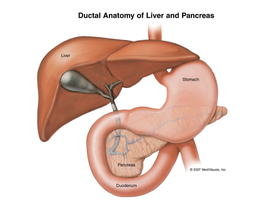
Secretes digestive enzymes (amylase, lipase, protease) and hormones (insulin, glucagon).
Releases bicarbonate to neutralize acidic chyme.
Gallbladder
Stores and releases bile in response to CCK.
Bile emulsifies lipids, making them more accessible to digestive enzymes.
Absorption and Nutrient Transport
Absorption
Process of moving molecules across cell membranes into the body.
Most absorption occurs in the small intestine; a small amount occurs in the stomach.
Transport of Nutrients
Water-Soluble Nutrients: Absorbed into the blood via capillaries (e.g., amino acids, monosaccharides, water-soluble vitamins, minerals, short-chain fatty acids).
Fat-Soluble Nutrients: Absorbed into the lymphatic system due to their size (e.g., long-chain fatty acids, cholesterol, fat-soluble vitamins).
Summary Table: Key Digestive Organs and Functions
Organ | Main Function(s) | Key Secretions |
|---|---|---|
Mouth | Mechanical and chemical digestion begins | Saliva (amylase) |
Stomach | Mixes food, protein digestion, forms chyme | HCl, pepsin, gastric lipase, intrinsic factor |
Small Intestine | Major site of digestion and absorption | Enzymes, bile, bicarbonate |
Large Intestine | Absorbs water/electrolytes, forms feces | Beneficial bacteria |
Liver | Produces bile, detoxifies, stores nutrients | Bile |
Gallbladder | Stores/releases bile | Bile (released on CCK signal) |
Pancreas | Secretes digestive enzymes, hormones | Amylase, lipase, protease, bicarbonate, insulin, glucagon |
