 Back
BackChapter 4: Protein – Structure, Function, and Nutrition
Study Guide - Smart Notes
 Tailored notes based on your materials, expanded with key definitions, examples, and context.
Protein: Structure, Function, and Nutrition
Introduction to Protein
Proteins are essential macronutrients that serve as the building blocks of every living cell. They are composed of amino acids and account for approximately 20% of adult body weight. Proteins play a critical role in body structure, function, and metabolism.
Definition: Proteins are large, complex molecules made up of amino acids linked by peptide bonds.
Key Functions: Structural support, enzymatic activity, transport, immune response, and energy provision (4 kcal/gram).
Distribution: Found in all cells and tissues, including muscles, organs, and blood.
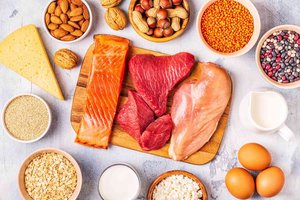
Protein Structure
The structure of a protein determines its function. Proteins are polymers of amino acids, and their unique three-dimensional shapes are essential for their biological roles.
Amino Acids: The basic building blocks of proteins, containing carbon, hydrogen, oxygen, and nitrogen.
Peptide Bonds: Covalent bonds that link amino acids together in a chain.
Levels of Structure: Primary (sequence), secondary (alpha-helix, beta-sheet), tertiary (3D folding), and quaternary (multiple polypeptides).
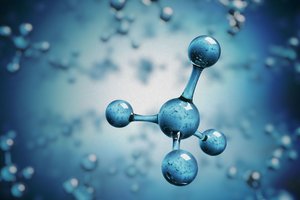
Amino Acids: Essential vs. Nonessential
There are 20 common amino acids, divided into essential and nonessential categories based on the body's ability to synthesize them.
Essential Amino Acids: Nine amino acids that must be obtained from the diet because the body cannot synthesize them.
Nonessential Amino Acids: Eleven amino acids that the body can produce from other compounds.
Examples: Leucine (essential), Glycine (nonessential).
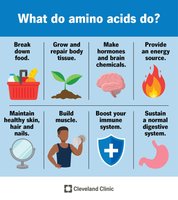
Functions of Protein
Proteins serve a wide range of functions in the human body, making them indispensable for health and survival.
Structural: Collagen in skin, keratin in hair and nails.
Enzymatic: Catalyze biochemical reactions (e.g., digestive enzymes).
Transport: Hemoglobin transports oxygen; albumin carries hormones and drugs.
Immune Function: Antibodies are proteins that defend against pathogens.
Acid-Base Balance: Proteins buffer body fluids to maintain pH.
Energy Source: Used for energy when carbohydrate and fat are insufficient.
Protein Digestion and Absorption
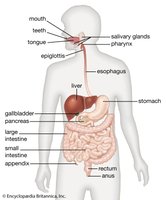
Protein digestion begins in the stomach and is completed in the small intestine. The absorbed amino acids are then utilized by the body for various functions.
Stomach: Hydrochloric acid activates pepsin, which starts protein breakdown.
Small Intestine: Enzymes from the pancreas and intestinal lining complete digestion.
Absorption: Amino acids and small peptides are absorbed through the intestinal mucosa into the bloodstream.
Protein Metabolism and Synthesis
After absorption, amino acids are metabolized primarily in the liver, which regulates their distribution and use. Protein synthesis (anabolism) is a highly regulated process that assembles amino acids into new proteins as needed by the body.
Protein Turnover: Continuous breakdown and synthesis of proteins in the body.
Metabolic Pool: The available supply of amino acids for new protein synthesis.
Nitrogen Balance: The balance between nitrogen intake and loss, reflecting protein metabolism status.
Nitrogen Balance
Nitrogen balance is a key indicator of protein metabolism. It reflects whether the body is gaining, losing, or maintaining protein stores.
Positive Nitrogen Balance: Protein synthesis exceeds breakdown (e.g., growth, pregnancy, recovery).
Negative Nitrogen Balance: Protein breakdown exceeds synthesis (e.g., illness, trauma, malnutrition).
Neutral Nitrogen Balance: Intake equals excretion; typical in healthy adults.
Protein Quality: Complete vs. Incomplete Proteins
Protein quality is determined by the presence and proportion of essential amino acids. Complete proteins provide all essential amino acids in adequate amounts, while incomplete proteins lack one or more.
Complete Proteins: Found in animal products (meat, fish, eggs, dairy) and soy.
Incomplete Proteins: Found in most plant foods; can be combined to form complementary proteins.
Complementary Proteins: Two or more incomplete proteins that together provide all essential amino acids.

Dietary Reference Intakes and Protein Requirements
Protein needs vary by age, sex, health status, and activity level. The Recommended Dietary Allowance (RDA) for protein is based on body weight and is designed to meet the needs of most healthy individuals.
General RDA: 0.8 g protein/kg body weight/day for healthy adults.
Increased Needs: Growth, pregnancy, lactation, illness, injury, and athletes may require more protein.
Calculation Example: For a 70 kg adult: grams of protein per day.
Protein Deficiency and Malnutrition
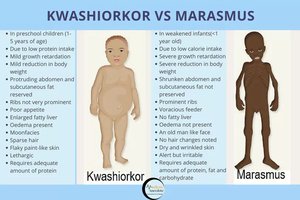
Protein-energy malnutrition (PEM) results from inadequate intake of protein and calories, leading to serious health consequences, especially in children.
Kwashiorkor: Protein deficiency with adequate energy intake; symptoms include edema, fatty liver, and skin changes.
Marasmus: Severe deficiency of both protein and calories; symptoms include severe wasting and stunted growth.
Symptoms of PEM: Muscle wasting, impaired immunity, delayed wound healing, and increased risk of infection.
Protein Excess
There are no proven risks from moderate excess protein intake in healthy individuals, but very high-protein diets may be associated with increased risk of osteoporosis and kidney stones in susceptible individuals.
Current Evidence: Conflicting data; moderation is recommended.
Special Considerations: Individuals with kidney disease should limit protein intake.
Protein in Health Promotion
Protein intake should be balanced and come from a variety of sources. Health organizations recommend limiting processed and red meats and increasing plant-based protein sources for disease prevention.
Recommendations: Include seafood, lean meats, eggs, legumes, nuts, and seeds.
Seafood: Provides omega-3 fatty acids and other nutrients; recommended at least 8 ounces per week.
Plant-Based Diets: Associated with lower risk of chronic diseases and improved health outcomes.

Vegetarianism and Nutrients of Concern
Vegetarian diets can be nutritionally adequate if well planned, but certain nutrients may be at risk of deficiency.
Nutrients of Concern: Iron, zinc, calcium, vitamin D, omega-3 fatty acids, iodine, and vitamin B12.
Vitamin B12: Not found naturally in plant foods; supplementation or fortified foods are necessary for vegans.
Health Benefits: Lower intake of saturated fat and cholesterol, higher fiber, and reduced risk of heart disease, type 2 diabetes, and certain cancers.

Protein for Muscle Building
Building muscle requires both resistance training and adequate protein intake. Most individuals can meet their protein needs through food alone without supplements.
Recommended Intake: 1.2–2.0 g protein/kg/day for athletes and those seeking muscle growth.
Distribution: Evenly distributing protein intake throughout the day may optimize muscle protein synthesis.
Supplements: Generally unnecessary if dietary intake is sufficient.
