 Back
BackComprehensive Study Notes: Carbohydrates in Human Nutrition
Study Guide - Smart Notes
 Tailored notes based on your materials, expanded with key definitions, examples, and context.
Carbohydrates: Structure, Classification, and Functions
Overview of Carbohydrates
Carbohydrates are essential organic compounds in human nutrition, serving as a primary energy source and structural component in cells. They are composed of carbon, hydrogen, and oxygen, typically in a 1:2:1 ratio.
Key Point 1: Carbohydrates are classified as simple (fast-releasing) or complex (slow-releasing) based on their chemical structure and digestion rate.
Key Point 2: Plants synthesize carbohydrates via photosynthesis, storing energy in molecules such as glucose, starch, and fiber.
Example: Wheat, corn, potatoes, and rice are staple foods rich in carbohydrates.
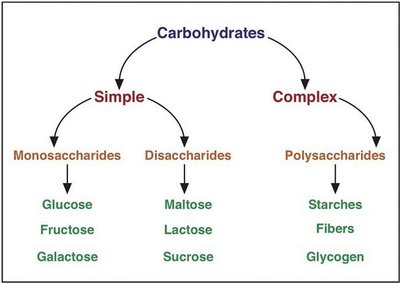
Classification of Carbohydrates
Carbohydrates are divided into simple and complex types, each with distinct subgroups and functions.
Simple Carbohydrates: Include monosaccharides (single sugar units) and disaccharides (two sugar units).
Complex Carbohydrates: Include polysaccharides (long chains of monosaccharides).
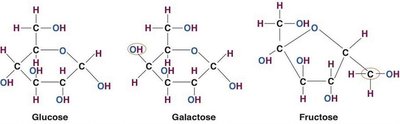
Monosaccharides
Monosaccharides are the simplest carbohydrates and include glucose, galactose, and fructose.
Glucose: The most abundant and preferred energy source for most cells.
Galactose: Found mainly in milk; rapidly converted to glucose in the liver.
Fructose: Found in fruits and honey; not a primary energy source for cells.
Disaccharides
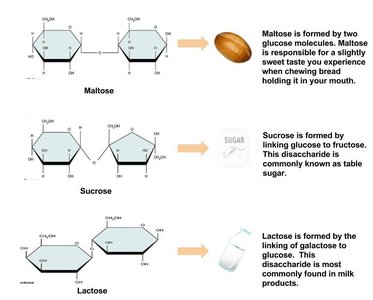
Disaccharides are formed by linking two monosaccharides.
Maltose: Two glucose molecules; found in breakdown products of starch.
Sucrose: Glucose + fructose; common table sugar.
Lactose: Glucose + galactose; found in dairy products.
Polysaccharides
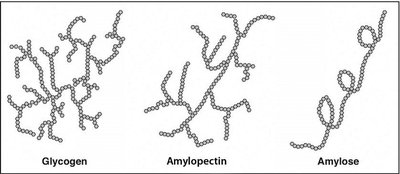
Polysaccharides are complex carbohydrates, including starches, fibers, and glycogen.
Starches: Energy storage in plants; includes amylose (linear) and amylopectin (branched).
Glycogen: Energy storage in animals; highly branched for rapid glucose release.
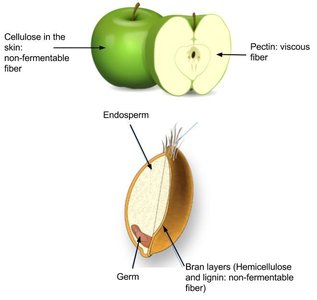
Fibers: Structural components in plants; indigestible by human enzymes.
Dietary Fiber: Types and Sources
Dietary fiber is a polysaccharide that provides health benefits, including improved digestion and reduced risk of chronic diseases.
Soluble Fiber: Dissolves in water; found in peas, beans, oats, barley, and rye.
Insoluble Fiber: Does not dissolve in water; found in whole grains, flax, cauliflower, and avocados.
Functional Fiber: Added to foods for health benefits, e.g., psyllium-seed husk.
Digestion and Absorption of Carbohydrates
From Mouth to Stomach
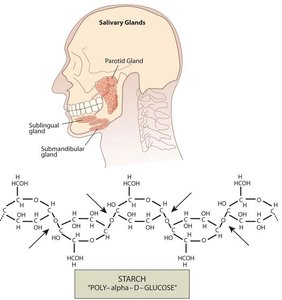
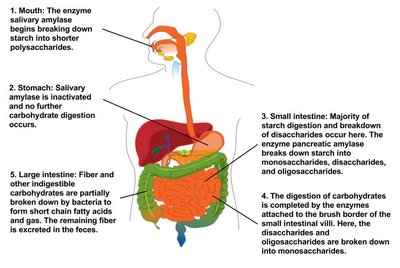
Carbohydrate digestion begins in the mouth with mechanical breakdown and the action of salivary amylase.
Key Point: Salivary amylase breaks starches into smaller chains (dextrins and maltose).
Example: The sweet taste of whole grains increases as starches are broken down.
From Stomach to Small Intestine
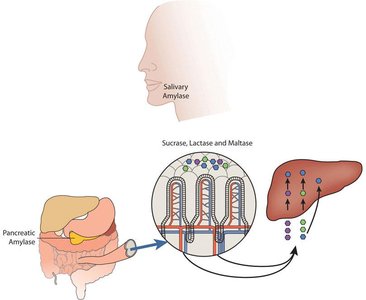
In the small intestine, pancreatic amylase and enzymes (sucrase, maltase, lactase) complete carbohydrate digestion.
Key Point: Monosaccharides are absorbed into intestinal cells and then into the bloodstream.
Example: Lactose intolerance results from insufficient lactase enzyme.
Absorption and Blood Glucose Regulation
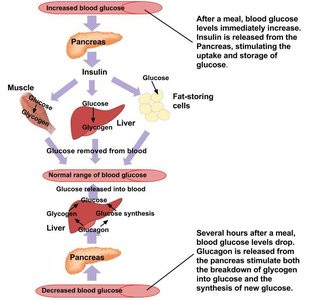
The liver receives monosaccharides and regulates blood glucose levels via hormonal control.
Insulin: Released when blood glucose is high; promotes glucose uptake and storage.
Glucagon: Released when blood glucose is low; stimulates glycogen breakdown and glucose release.
Carbohydrate Digestion Overview
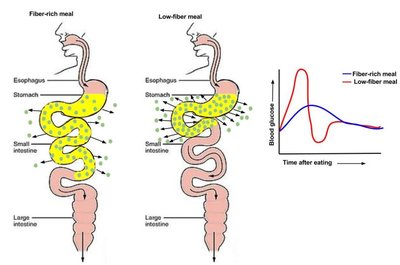
Most carbohydrates are digested and absorbed in the small intestine; indigestible carbohydrates are fermented by bacteria in the large intestine.
Key Point: Fermentation produces short-chain fatty acids (SCFAs) and gases.
Example: Fiber-rich foods slow digestion and reduce blood glucose spikes.
Glycemic Index and Health Implications
Glycemic Index (GI)
The glycemic index measures how carbohydrate-containing foods affect blood glucose levels.
Low GI Foods: Cause slower, smaller increases in blood glucose (e.g., apples, beans).
High GI Foods: Cause rapid increases in blood glucose (e.g., white bread, rice milk).
Key Point: Diets with low-GI foods are linked to reduced risk of obesity, Type 2 diabetes, and cardiovascular disease.
Functions of Carbohydrates in the Body
Energy Production
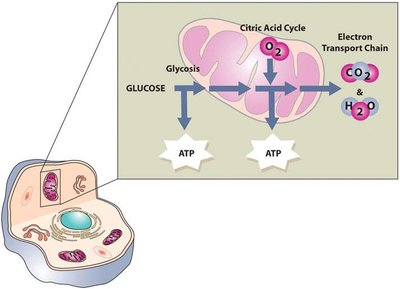
Carbohydrates are the primary fuel for cellular energy production, especially for the brain and red blood cells.
Key Point: Glucose is metabolized via cellular respiration to produce ATP.
Example: During exercise, muscle cells use glucose for energy.
Energy Storage
Excess glucose is stored as glycogen in muscles and liver.
Key Point: Glycogen is highly branched for rapid glucose release.
Example: Athletes increase glycogen reserves before events by consuming high-carbohydrate diets.
Building Macromolecules
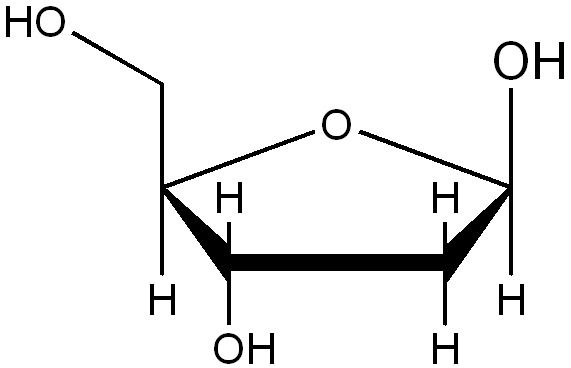
Glucose is used to synthesize ribose and deoxyribose, essential for RNA, DNA, ATP, and NADPH.
Key Point: Excess glucose can be converted to fat, contributing to weight gain.
Sparing Protein
Adequate carbohydrate intake prevents the breakdown of proteins for glucose synthesis.
Key Point: Protein sparing is crucial for maintaining muscle mass.
Lipid Metabolism
High blood glucose inhibits lipid use for energy; low glucose leads to ketone body production.
Key Point: Ketosis can occur with prolonged low carbohydrate intake.
Health Consequences and Benefits of Carbohydrate Consumption
High-Carbohydrate Diets and Added Sugars
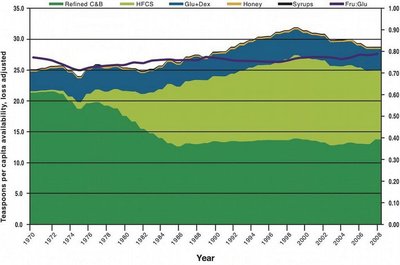
Excessive intake of added sugars and refined grains is linked to obesity, diabetes, and heart disease.
Key Point: The American Heart Association recommends limiting added sugars to less than 10% of total calories.
Example: Soft drinks are a major source of added sugars in the American diet.
Health Benefits of Whole Grains
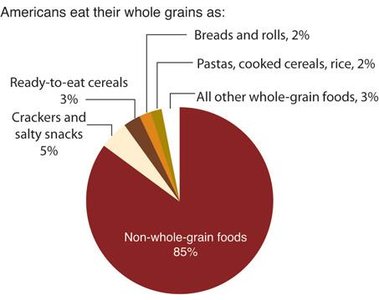
Whole grains are rich in fiber, vitamins, minerals, and phytochemicals, and are associated with reduced risk of chronic diseases.
Key Point: Consuming more than two servings of whole grains per day reduces risk of Type 2 diabetes and heart disease.
Example: Whole-grain cereals, breads, and pastas are recommended dietary sources.
Carbohydrates and Diet Choices
Dietary Recommendations
RDA for Carbohydrates: 130 grams per day for children and adults.
AMDR: 45–65% of total calorie intake.
Fiber: 38 grams/day for men, 25 grams/day for women.
Added Sugars: Less than 10% of total calories.
Dietary Sources
Fruits, vegetables, legumes, grains, and dairy: Primary sources of carbohydrates.
Processed foods: Often contain added sugars and refined grains.
Food Labels and Carbohydrate Claims
Sugar-free: Less than 0.5 grams of sugar per serving.
High fiber: At least 20% of daily value per serving.
No sugars added: No sugars added during processing.
Functional Attributes and Sugar Substitutes
Functional Uses in Food Industry
Carbohydrates and their derivatives are used for sweetness, texture, thickening, and browning in foods.
Starches, gums, and pectins: Used as thickeners.
Sugar alcohols: Used as sweeteners with fewer calories and less risk of tooth decay.
Sugar Substitutes and Health
Artificial sweeteners: Saccharin, aspartame, sucralose, acesulfame potassium, neotame, and stevia.
Health concerns: Some studies suggest links to increased appetite and insulin resistance; PKU patients must avoid aspartame.
Regulation: FDA sets acceptable daily intakes (ADI) for artificial sweeteners.
Summary
Carbohydrates are vital for energy, cellular function, and overall health. Balanced intake of whole grains, fiber, and limited added sugars is recommended for optimal nutrition and disease prevention.
Key Point: Understanding carbohydrate types, digestion, and health effects is essential for making informed dietary choices.
