 Back
BackConsumerism and Sustainability: From Farm to Table – Study Notes
Study Guide - Smart Notes
 Tailored notes based on your materials, expanded with key definitions, examples, and context.
Consumerism and Sustainability: From Farm to Table
How Do Advertising and Marketing Influence Your Food Choices?
Advertising and marketing play a significant role in shaping consumer food choices, often prioritizing profit over nutritional value. Food companies invest billions in promoting their products, with a disproportionate focus on processed and less nutritious foods compared to fruits and vegetables.
Advertising Expenditure: Food companies spend nearly $10 billion annually on advertising, mainly for processed foods.
Target Audiences: Young adults and college-aged individuals are increasingly targeted by food advertisers.
Impact: Advertising for healthy foods like fruits and vegetables is minimal, influencing dietary patterns toward less nutritious options.
Example: In 2012, McDonald’s spent three times more on advertising than all fruit, vegetable, bottled water, and milk advertisers combined.
Where Does Your Food Come From?
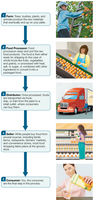
The journey of food from farm to table involves multiple steps and stakeholders, including farmers, processors, distributors, retailers, and consumers. The U.S. food system is supported by a network of small family farms, agribusinesses, and international trade.
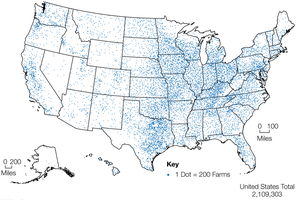
Farms: To be classified as a farm in the U.S., an operation must sell at least $1,000 of agricultural products annually. There are just over 2 million farms, with numbers declining over time.
Farmers: Fewer than 1% of the U.S. population are farmers, yet they produce food for over 300 million people.
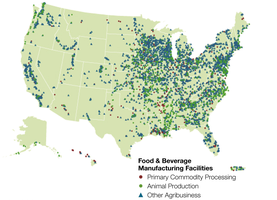
Agribusiness: Integrates agriculture with business, affecting food production, processing, distribution, and sales. The sector employs about 11% of the U.S. population.
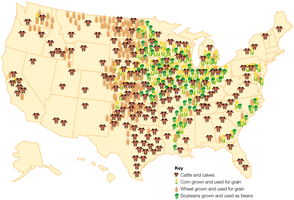
Major Crops: Corn, soybeans, and wheat are the top food crops, with most used for animal feed rather than direct human consumption.
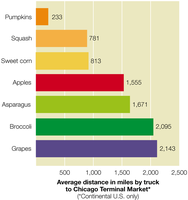
Exports and Imports: The U.S. exports a significant portion of its agricultural products but also imports foods to meet demand for variety and lower prices. This raises concerns about environmental impact and food safety due to limited inspection of imports.
What Is a Sustainable Food System?
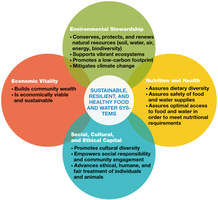
A sustainable food system aims to provide healthy food for current and future generations while protecting the environment, supporting economic viability, and promoting social equity. Unsustainable practices can degrade soil, pollute water, and reduce biodiversity.
Key Features: Environmentally friendly, economically viable, and socially equitable.
Concerns: Soil degradation, excessive energy and water use, and food waste (30-40% of food produced is wasted).
Consumer Actions: Adopting greener habits, such as eating less meat and supporting local agriculture, can enhance sustainability.
Local and Plant-Based Foods: Locally grown and plant-based foods are generally more sustainable and health-promoting.
How Do We Balance the World Population's Demand for Food with Sustainability?
Modern agriculture uses hormones, antibiotics, and pesticides to increase yields, but these practices have both benefits and risks for human health and the environment.
Hormones
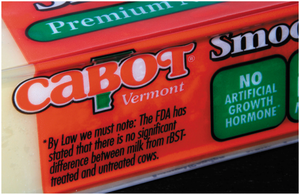
Use: Bovine growth hormone and recombinant bovine somatotropin (rBST) are used to stimulate milk production in cows.
Safety: The FDA has found no significant difference between milk from treated and untreated cows, but consumer concerns persist.
Antibiotics
Purpose: Used to treat sick animals, prevent disease, and promote growth.
Risks: Overuse can lead to antibiotic-resistant bacteria, posing a threat to human health.
Regulation: Government agencies work to prevent overuse.
Pesticides
Types: Herbicides (weeds), antimicrobials (microorganisms), fungicides (fungi), biopesticides (natural materials), organophosphates (nervous system of pests).
Risks: Can harm animals, humans, and the environment if not used responsibly.
Alternatives: Integrated pest management (IPM) uses crop rotation, pest-resistant crops, biopesticides, and natural predators to reduce reliance on chemical pesticides.
What Are the Risks and Benefits of Using Biotechnology in Agriculture?
Biotechnology and genetic engineering are used to improve crop yields, resistance to pests, and nutritional content. However, these technologies raise concerns about safety, environmental impact, and ethical considerations.
Biotechnology: Application of biological techniques to alter the genetic makeup of living cells.
Genetic Engineering (GE): Isolates and manipulates genes to produce genetically modified organisms (GMOs).
Benefits: Reduced pesticide use, enhanced nutrition, improved shelf life.
Concerns: Potential effects on the environment, introduction of allergens, changes in nutrient content, and regulatory oversight.
How Does Food Policy Affect the Foods Available to You to Buy and Consume?
Government agencies regulate the food industry and set policies that influence the availability, safety, and nutritional quality of foods. Food policy can encourage healthier products but may also result in unintended consequences.
Regulation: Agencies like the FDA, USDA, and EPA oversee food safety and labeling.
Policy Impact: Policies such as the Dietary Guidelines for Americans can shift industry practices, but reformulations may not always improve health outcomes.
Politics: Government programs (e.g., National School Lunch Program) and food lobbyists influence food policy and consumer choices.
How Do You Know How Foods Were Produced?
Food labels provide information about production methods, including organic certification, use of hormones or antibiotics, and other claims. Understanding these terms helps consumers make informed choices.
Label Terms: Certified, fresh, free range, kosher, natural, no hormones, no antibiotics, unsweetened.
Organic Foods: Grown without most synthetic pesticides, fertilizers, bioengineering, or irradiation. May use some natural pesticides. No evidence of superior nutrition, but may have environmental benefits. Often more expensive.
