 Back
BackDigestion, Absorption, and Metabolism: A Comprehensive Study Guide
Study Guide - Smart Notes
 Tailored notes based on your materials, expanded with key definitions, examples, and context.
Digestion, Absorption, and Metabolism
Introduction to the Digestive System
The digestive system is responsible for breaking down food into nutrients, which the body uses for energy, growth, and cell repair. This process involves several organs and complex biochemical reactions, ensuring that nutrients are absorbed and wastes are eliminated efficiently.
Hierarchy of Body Structures
Levels of Organization
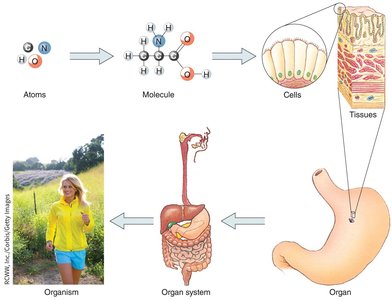
The human body is organized into a hierarchy of structures, each level building upon the previous one:
Atoms: Basic units of matter (e.g., carbon, hydrogen, oxygen, nitrogen).
Molecules: Combinations of atoms forming compounds such as water, proteins, and carbohydrates.
Cells: The smallest functional units of life, specialized for various functions.
Tissues: Groups of similar cells performing a common function (e.g., muscle tissue, epithelial tissue).
Organs: Structures composed of multiple tissue types working together (e.g., stomach, liver).
Organ Systems: Groups of organs that perform related functions (e.g., digestive system).
Organism: The complete living being.
Overview of the Digestive System
Main Components and Functions
The digestive system consists of the gastrointestinal (GI) tract and accessory organs. Its primary functions are digestion (breaking down food), absorption (uptake of nutrients), and elimination (removal of waste).
Gastrointestinal tract (GI tract): A continuous tube from mouth to anus where digestion and absorption occur.
Transit time: The time it takes for food to travel through the GI tract.
Feces: Waste material eliminated from the body.
Structure of the Gut Wall
Layers of the Gut Wall
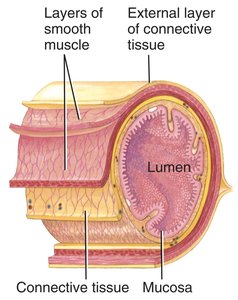
The gut wall is composed of several layers, each with specific functions:
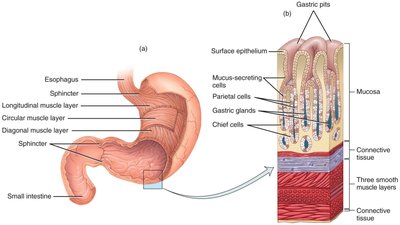
Mucosa: The innermost layer, responsible for secretion and absorption.
Submucosa: Contains blood vessels, nerves, and glands.
Muscularis externa: Layers of smooth muscle responsible for peristalsis and segmentation.
Serosa: The outermost layer, providing structural support and protection.
Barrier Function and Immune Defense
Gastrointestinal Tract as a Barrier
The GI tract acts as a barrier to pathogens and toxins, involving immune cells such as phagocytes, lymphocytes, and antibodies. The barrier function is essential for preventing infections and maintaining health.
Antigen: A substance that triggers an immune response.
Phagocytes: Cells that engulf and destroy pathogens.
Lymphocytes: White blood cells involved in immune responses.
Antibodies: Proteins that recognize and neutralize antigens.
Digestive Processes
Mechanical and Chemical Digestion
Digestion begins in the mouth and continues throughout the GI tract, involving both mechanical and chemical processes.
Mechanical digestion: Physical breakdown of food (e.g., chewing, churning).
Chemical digestion: Enzymatic breakdown of macromolecules into absorbable units.
Swallowing and the Role of the Epiglottis
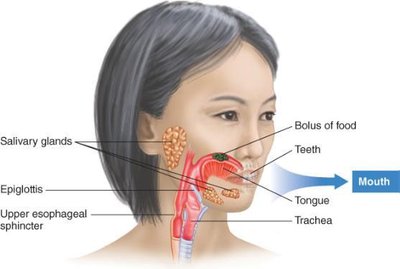
Swallowing moves food from the mouth to the esophagus. The epiglottis prevents food from entering the airway during swallowing.
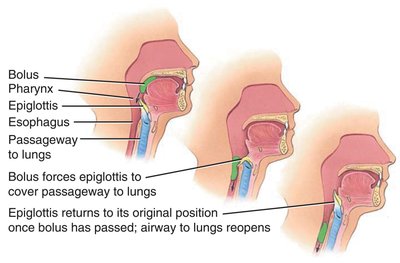
Peristalsis
Peristalsis is the coordinated, rhythmic contraction of smooth muscle that propels food through the digestive tract.
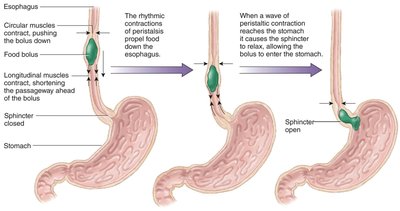
The Stomach
Structure and Function
The stomach is a muscular organ that churns food, mixes it with gastric juices, and initiates protein and lipid digestion. It acts as a temporary storage site and produces chyme.
Gastric juice: Contains hydrochloric acid (HCl), pepsin, and gastric lipase.
pH of stomach: Approximately 2, which helps kill bacteria and denature proteins.
Mucus: Protects the stomach lining from acid and enzymes.
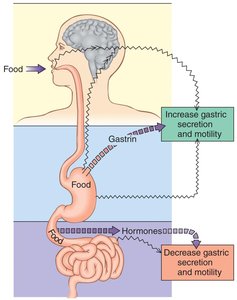
Gastric Motility
The rate at which the stomach empties is influenced by meal size, composition, and emotional state. Gastric motility ensures proper mixing and controlled release of chyme into the small intestine.
The Small Intestine
Structure and Function
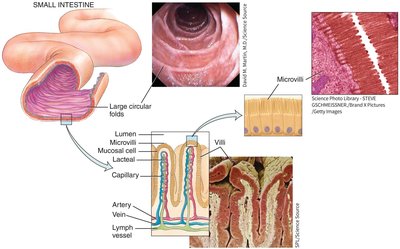
The small intestine is the main site for digestion and absorption. It is divided into three sections: duodenum, jejunum, and ileum. The small intestine receives secretions from the pancreas, gallbladder, and its own glands to aid digestion.
Duodenum: Most digestion occurs here.
Jejunum and Ileum: Primary sites for nutrient absorption.
Secretions and Hormonal Regulation
Secretions from the pancreas (pancreatic juice), gallbladder (bile), and small intestine facilitate digestion. Hormones such as secretin and cholecystokinin (CCK) regulate these processes.
Pancreatic juice: Contains enzymes (amylase, proteases, lipases) and bicarbonate to neutralize stomach acid.
Secretin: Stimulates bicarbonate secretion and delays gastric emptying.
CCK: Stimulates bile release and pancreatic enzyme secretion.
Absorption and Transport of Nutrients
Mechanisms of Absorption
Nutrients are absorbed through the villi and microvilli of the small intestine, increasing surface area for efficient uptake. Absorbed nutrients enter the blood or lymphatic system for transport to the liver and other tissues.
Hepatic portal vein: Transports water-soluble nutrients to the liver.
Lymphatic system: Transports fat-soluble nutrients and contributes to immune function.
The Large Intestine
Structure and Function
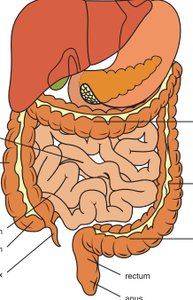
The large intestine absorbs water, some vitamins, and minerals, and stores waste prior to excretion. It is also the site of bacterial fermentation, producing beneficial compounds and supporting gut health.
Colon and rectum: Main sections of the large intestine.
Probiotics: Beneficial bacteria that support gut health.
Prebiotics: Non-digestible food components that promote the growth of probiotics.
Metabolism of Nutrients
Metabolic Pathways and ATP Production
Metabolism refers to the chemical reactions that convert food into energy (ATP) and building blocks for the body. Carbohydrates, fats, and proteins are energy-yielding nutrients.
ATP (Adenosine Triphosphate): The main energy currency of the cell.
Metabolic waste: Byproducts such as carbon dioxide, water, and nitrogen are eliminated via the respiratory, urinary, and integumentary systems.
Equation for cellular respiration:
Gut Microbiota and Health
Role of Microbes in the Gut
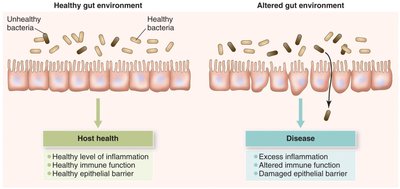
The gut microbiota consists of trillions of microorganisms that influence digestion, immune function, and overall health. A balanced gut environment supports health, while dysbiosis can contribute to disease.
Healthy gut: Maintains low inflammation, strong immune function, and an intact epithelial barrier.
Altered gut: Associated with excess inflammation, impaired immunity, and increased disease risk.
Common Digestive Disorders
Gastroesophageal Reflux Disease (GERD)
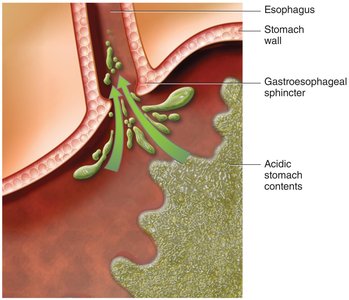
GERD occurs when acidic stomach contents flow back into the esophagus, causing irritation and discomfort.
Peptic Ulcers
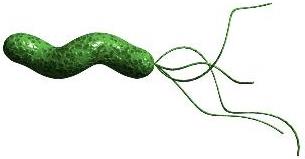
Peptic ulcers are erosions of the mucosal lining in the stomach, esophagus, or duodenum, often caused by Helicobacter pylori infection or NSAID use.
Celiac Disease
Celiac disease is an autoimmune disorder triggered by gluten, leading to damage of the small intestine's villi and resulting in malabsorption and various symptoms.
Gallstones
Gallstones are solid deposits that can block bile ducts, causing pain and digestive issues, especially after gallbladder removal.
Diarrhea and Constipation
Diarrhea: Frequent, watery stools due to rapid transit or excess water secretion.
Constipation: Hard, dry stools caused by insufficient water, fiber, or physical activity.
Disorders of the Lower GI Tract
Irritable Bowel Syndrome (IBS): Characterized by abdominal pain, bloating, and altered bowel habits, often triggered by stress or certain foods.
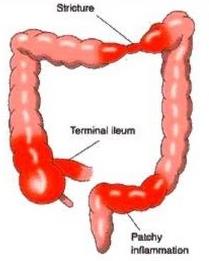
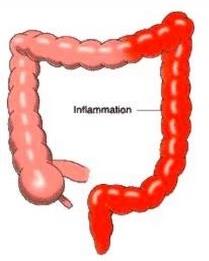
Inflammatory Bowel Disease (IBD): Chronic inflammation of the GI tract, including Crohn's disease and ulcerative colitis.
Crohn's Disease: Affects mainly the ileum and can occur in patches throughout the GI tract, involving all layers of the bowel wall.
Ulcerative Colitis: Primarily affects the colon and rectum, involving continuous inflammation of the innermost lining.
Cancers of the Digestive System
Prevalence and Types
Cancers can develop in various parts of the digestive system, with colorectal cancer being the most common. Other types include pancreatic, stomach, liver, and esophageal cancers.
Cancer Type | Cases/100,000 | % of Total Cases | Rank |
|---|---|---|---|
Colorectal | 66.3 | 12.8 | 2 |
Pancreatic | 13.5 | 2.6 | 12 |
Stomach | 8.6 | 1.7 | 14 |
Liver | 6.1 | 1.2 | 18 |
Esophageal | 5.7 | 1.1 | 19 |
All Digestive System Cancers | 100 | 19.4 | - |
All Cancers | 515.9 | 100 | - |
Digestion and Mental Health
Gut-Brain Connection
The gut produces neurotransmitters that influence mental health. Proper nutrition, rich in vitamins and minerals, supports brain function and emotional well-being. The emerging field of nutritional psychiatry explores these connections.
