 Back
BackDigestion and the Human Body: Structure, Function, and Nutritional Relevance
Study Guide - Smart Notes
 Tailored notes based on your materials, expanded with key definitions, examples, and context.
Organization of Life and the Human Body
Levels of Structural Organization
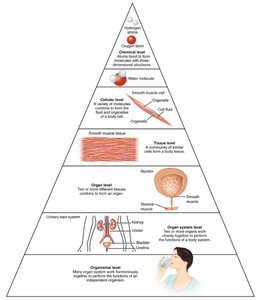
The human body is organized into hierarchical levels, from the smallest chemical building blocks to the complete organism. Understanding these levels is essential for grasping how nutrients are processed and utilized.
Chemical Level: Atoms and molecules form the basis of all matter.
Cellular Level: Cells are the basic units of life, each with specialized functions.
Tissue Level: Groups of similar cells form tissues, such as muscle or nervous tissue.
Organ Level: Different tissues combine to form organs, each with specific roles.
Organ System Level: Organs work together in systems (e.g., digestive, cardiovascular).
Organismal Level: All systems function together to sustain the human organism.
The Cell: Basic Building Block of Life
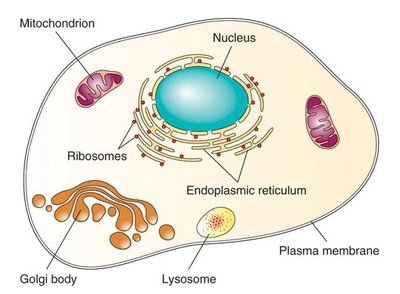
All living things are composed of cells, which arise from preexisting cells. Cells contain specialized structures (organelles) that perform essential functions for survival and nutrient processing.
Nucleus: Contains genetic material (DNA).
Mitochondria: Site of ATP (energy) production.
Endoplasmic Reticulum & Ribosomes: Involved in protein synthesis.
Golgi Body: Modifies and packages proteins.
Lysosome: Digests cellular waste.
Organ Systems and Their Functions
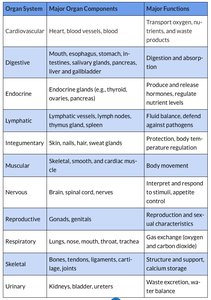
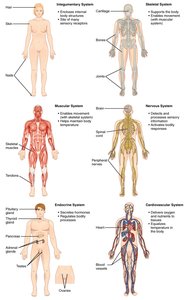
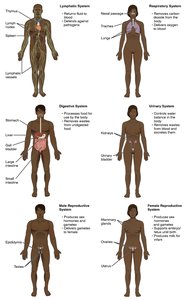
The human body contains eleven major organ systems, many of which contribute to nutrition and digestion. Each system is composed of specific organs with unique functions.
Organ System | Major Organ Components | Major Functions |
|---|---|---|
Cardiovascular | Heart, blood vessels, blood | Transport oxygen, nutrients, and waste products |
Digestive | Mouth, esophagus, stomach, intestines, salivary glands, pancreas, liver, gallbladder | Digestion and absorption |
Endocrine | Endocrine glands (e.g., thyroid, pancreas) | Produce and release hormones, regulate metabolism |
Lymphatic | Lymphatic vessels, lymph nodes, spleen | Fluid balance, defend against pathogens |
Integumentary | Skin, nails, hair, sweat glands | Protect body, temperature regulation |
Muscular | Skeletal, smooth, cardiac muscle | Body movement, posture |
Nervous | Brain, spinal cord, nerves | Interpret and respond to stimuli |
Reproductive | Gonads, genitals | Reproduction and sex characteristics |
Respiratory | Lungs, nose, mouth, trachea | Gas exchange (oxygen and carbon dioxide) |
Skeletal | Bones, tendons, ligaments, cartilage | Structure and support, calcium storage |
Urinary | Kidneys, bladder, ureters | Waste excretion, water balance |
Food, Energy, and Photosynthesis
Food Provides Energy and Building Blocks
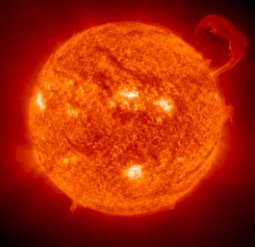
Food supplies the energy and molecular building blocks necessary for all life processes. The energy in food ultimately originates from the sun and is stored in chemical bonds, primarily in carbohydrates, fats, and proteins.
Energy: Used for cellular work, growth, and maintenance.
Building Blocks: Amino acids, fatty acids, and monosaccharides are used to synthesize body structures and molecules.
Photosynthesis: The Source of Food Energy
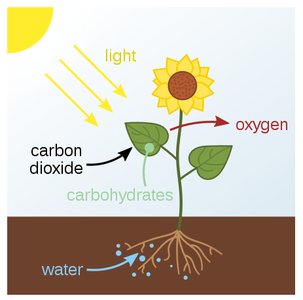
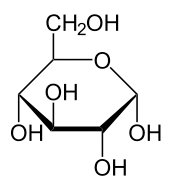
Photosynthesis is the process by which plants capture solar energy and convert it into glucose, a chemical compound used by all organisms for energy. This process also produces oxygen as a byproduct.
Equation:
Importance: Provides the foundation for the food chain and oxygen for respiration.
Glucose and ATP: Cellular Energy Currency
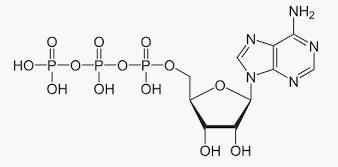
Glucose is the primary energy source for animals and humans. It is metabolized to produce ATP (adenosine triphosphate), the molecule that powers cellular activities.
ATP Structure: Contains three phosphate groups, a ribose sugar, and adenine.
Role: ATP stores and releases energy as needed by cells.
Energy Transfer in the Food Chain
Energy captured by plants through photosynthesis is transferred through the food chain as organisms consume plants and each other. This flow of energy supports all life on Earth.
Example: Sunlight → Plant (photosynthesis) → Deer (herbivore) → Wolf (carnivore)


The Digestive System: Structure and Function
Overview of the Digestive System
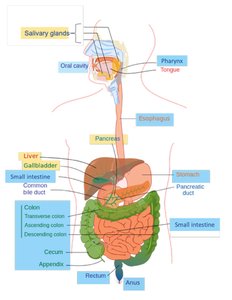
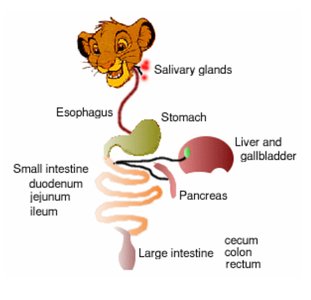
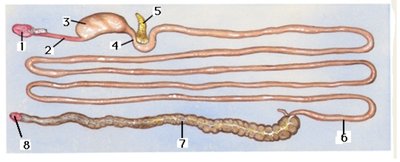
The digestive system breaks down food into absorbable units, releases nutrients, and absorbs them into the body. It consists of the gastrointestinal (GI) tract and accessory organs.
GI Tract: A continuous tube (~25 feet) from mouth to anus, technically outside the body until absorption occurs.
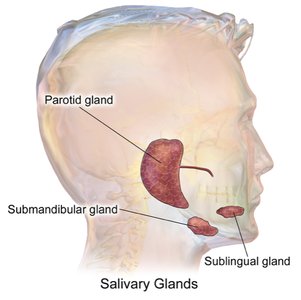
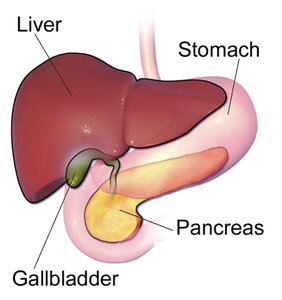
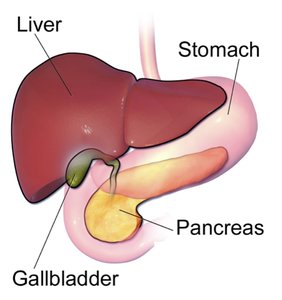
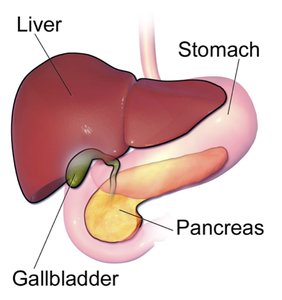
Accessory Organs: Salivary glands, liver, gallbladder, and pancreas secrete digestive juices into the GI tract.
Macronutrient Digestion and Absorption
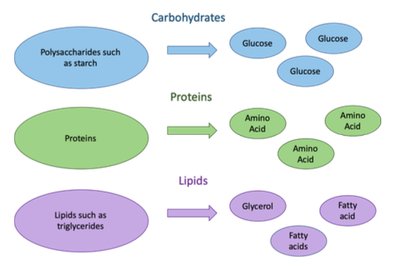
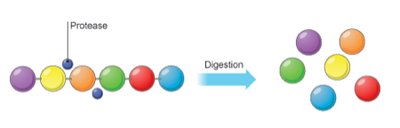
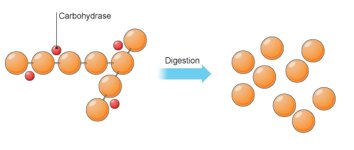
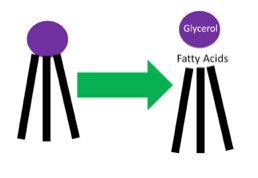
Digestion converts large food molecules into smaller units that can be absorbed and used for energy or as building blocks for cellular structures.
Proteins → Amino Acids
Starch/Glycogen (Complex Carbohydrates) → Monosaccharides (Simple Sugars)
Triglycerides → Glycerol and Fatty Acids
Digestive Processes
Food undergoes four main processes in the digestive system:
Ingestion: Intake of food into the GI tract.
Digestion: Mechanical and chemical breakdown of food.
Absorption: Movement of nutrients through the intestinal wall into the bloodstream.
Elimination: Removal of undigested material and waste.
Mechanical and Chemical Digestion
Mechanical digestion involves physical breakdown (chewing, mixing), while chemical digestion uses enzymes to break chemical bonds in food molecules.
Mouth: Chewing (mastication) and mixing with saliva.
Stomach: Churning and mixing with gastric juices.
Small Intestine: Segmentation and mixing with digestive enzymes.
Accessory Organs and Chemical Digestion
Accessory organs secrete substances that aid in digestion:
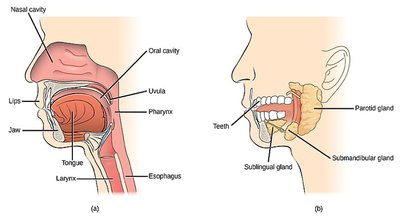
Salivary Glands: Produce saliva containing amylase and lipase.
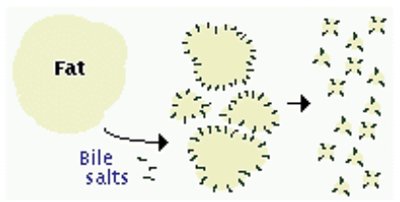
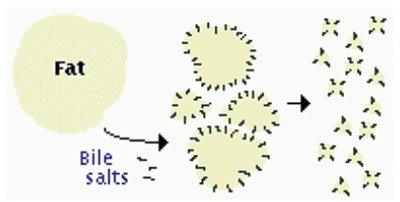
Liver: Produces bile for fat emulsification.
Gallbladder: Stores and releases bile.
Pancreas: Secretes digestive enzymes and bicarbonate.
Swallowing and Esophagus
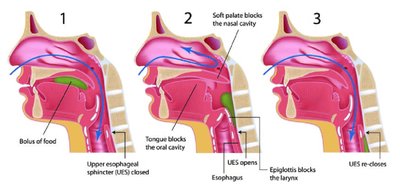
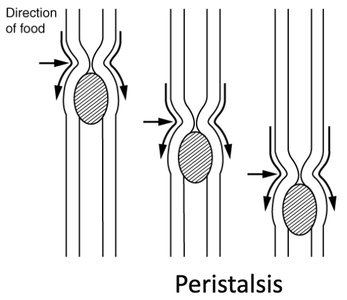
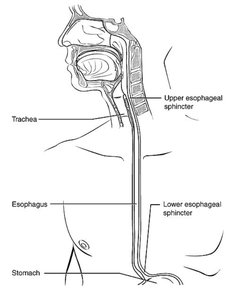
Swallowing is a coordinated process that moves food from the mouth to the stomach via the esophagus. No digestion occurs in the esophagus; food is propelled by peristalsis.
Stomach: Digestion and Acid
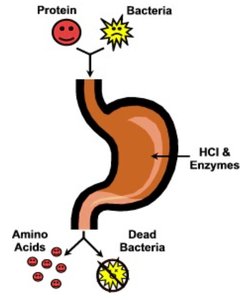
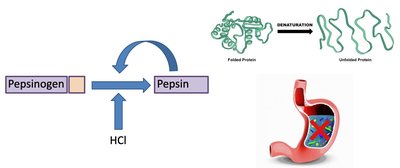
The stomach performs mechanical and chemical digestion, secreting gastric acid (HCl) and enzymes like pepsinogen. It absorbs minimal nutrients but is essential for protein breakdown and intrinsic factor production.
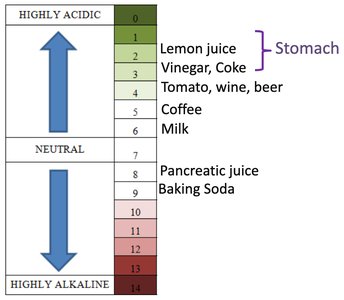
pH: The stomach is highly acidic (pH 1-2).
Functions of Acid: Denatures proteins, activates enzymes, kills bacteria.
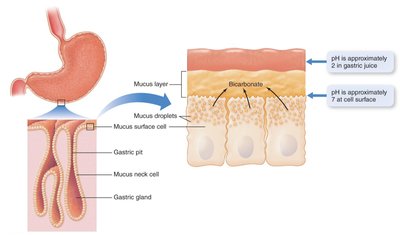
Protection: Mucus and bicarbonate protect the stomach lining from acid damage.
Small Intestine: Digestion and Absorption
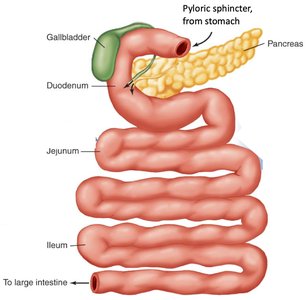
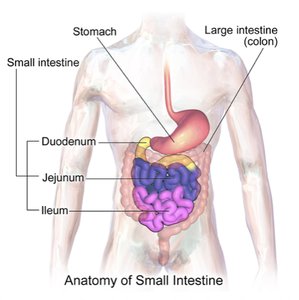
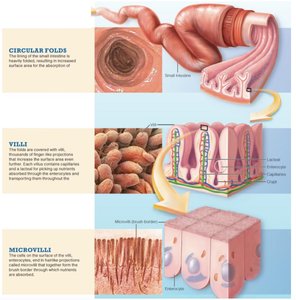
The small intestine is the primary site for digestion and absorption. It mixes chyme with bile and pancreatic juices, neutralizes acid, and uses brush border enzymes for final digestion. Its structure maximizes surface area for absorption.
Sections: Duodenum, jejunum, ileum.
Enzymes: Pancreatic amylase, lipases, proteases, and brush border enzymes.
Absorption: Nutrients enter capillaries (carbohydrates, proteins) or lacteals (fats).
Digestive Enzymes
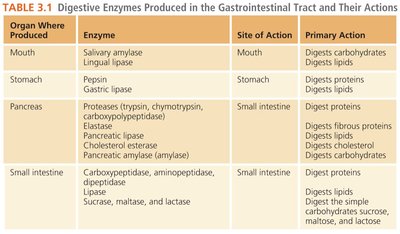
Digestive enzymes are produced in the mouth, stomach, pancreas, and small intestine. They catalyze the breakdown of carbohydrates, proteins, and lipids into absorbable units.
Organ Where Produced | Enzyme | Site of Action | Primary Action |
|---|---|---|---|
Mouth | Salivary amylase, Lingual lipase | Mouth | Digests carbohydrates, lipids |
Stomach | Pepsin, Gastric lipase | Stomach | Digests proteins, lipids |
Pancreas | Proteases, Pancreatic lipase, Amylase | Small intestine | Digests proteins, lipids, carbohydrates |
Small intestine | Peptidases, Sucrase, Maltase, Lactase | Small intestine | Digests proteins, disaccharides |
Absorption in the Small Intestine
The small intestine is about 20 feet long and has a highly folded surface with villi and microvilli, greatly increasing the area for nutrient absorption.
Villi: Finger-like projections containing capillaries and lacteals.
Microvilli: Tiny projections on villi cells, forming the brush border.
Large Intestine and Elimination
Large Intestine: Water and Electrolyte Absorption
The large intestine absorbs water, short-chain fatty acids, and electrolytes. It compacts undigested material and houses trillions of bacteria that ferment fiber, digest undigested material, and support immune function.
Sections: Cecum, colon, rectum.
Functions: Water absorption, bacterial fermentation, waste elimination.
Muscle Movement in the Colon
Haustral churning, peristalsis, and mass movements propel waste toward the rectum for elimination.
Common GI Tract Disorders
Heartburn and Gastroesophageal Reflux Disease (GERD)
Heartburn is caused by stomach acid refluxing into the esophagus. GERD is chronic reflux, increasing the risk of esophageal damage and cancer. Management includes dietary and lifestyle changes.
Triggers: Greasy/spicy foods, chocolate, coffee, alcohol, acidic foods.
Prevention: Eat smaller meals, avoid eating before bed, elevate head, quit smoking, lose weight.
Peptic Ulcers
Peptic ulcers are sores in the GI lining, most commonly caused by Helicobacter pylori infection or NSAID use. Treatment includes antibiotics and acid-suppressing medications.
Diarrhea and Constipation
Diarrhea: Rapid transit of waste, often due to infection or intolerance, resulting in loose stools.
Constipation: Infrequent, hard stools, often due to low fiber, dehydration, inactivity, or medication.
Irritable Bowel Syndrome (IBS) and Inflammatory Bowel Disease (IBD)
IBS: Functional disorder with abdominal pain, bloating, and altered bowel habits. Managed with diet and activity.
IBD: Chronic inflammation (ulcerative colitis, Crohn’s disease) with more severe symptoms, often requiring medication or surgery.
