 Back
BackEnergy Balance and Weight Regulation: Study Notes for Nutrition Students
Study Guide - Smart Notes
 Tailored notes based on your materials, expanded with key definitions, examples, and context.
Energy Balance and Weight Regulation
Principles of Energy Balance
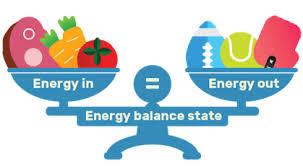
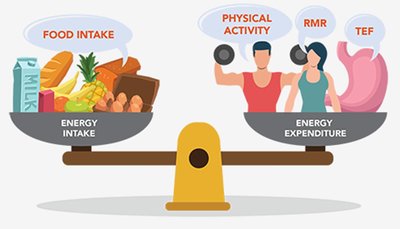
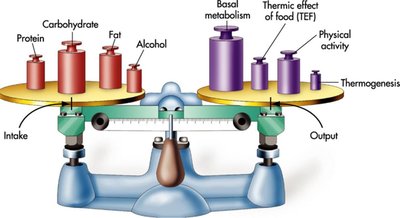
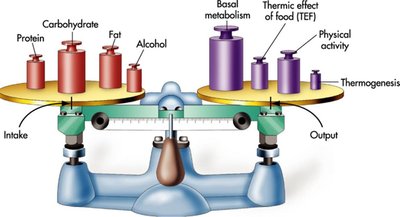
Energy balance is the relationship between energy intake (calories consumed through food and beverages) and energy expenditure (calories burned through basal metabolism, physical activity, and thermogenesis). Maintaining energy balance is essential for sustaining a healthy body weight.
Energy In: Calories obtained from macronutrients (carbohydrates, proteins, fats, and alcohol).
Energy Out: Calories expended through basal metabolic rate (BMR), physical activity, thermic effect of food (TEF), and thermogenesis.
Stable Body Weight: Achieved when energy intake equals energy expenditure.
Positive and Negative Energy Balance
Energy balance can be disrupted, leading to weight gain or loss:
Positive Energy Balance: Occurs when energy intake exceeds expenditure, resulting in fat storage and weight gain.
Negative Energy Balance: Occurs when energy expenditure exceeds intake, leading to loss of fat and possibly lean tissue.
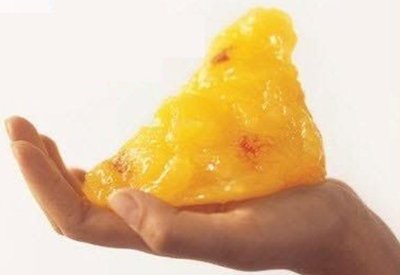
Caloric Surplus: Approximately 3,500 kcal surplus leads to 1 lb (≈0.45 kg) of weight gain.
Caloric Deficit: A deficit of 500 kcal/day results in about 1 lb (≈0.45 kg) weight loss per week.
Fact or Fallacy in Weight Regulation
Myth: Some foods are inherently more fattening for some people. Fact: Weight change is primarily due to energy imbalance, though genetics and metabolism can influence individual responses.
Myth: Eating at night causes weight gain. Fact: Total daily caloric intake is more important than meal timing, though night eating may be linked to emotional factors and increased intake.
Components of Energy Expenditure
Total Energy Expenditure (TEE)
Total Energy Expenditure (TEE) is the sum of all calories burned by the body in a day. It includes:
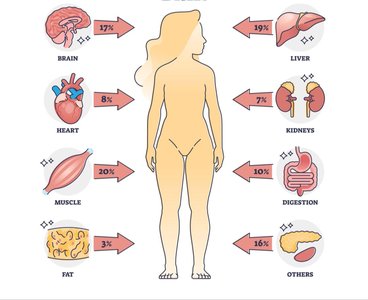
Basal Metabolic Rate (BMR): Energy used for basic physiological functions at rest (60-70% of TEE).
Physical Activity (PA): Energy used for movement and exercise (varies widely).
Thermic Effect of Food (TEF): Energy used to digest, absorb, and metabolize food (5-10% of TEE).
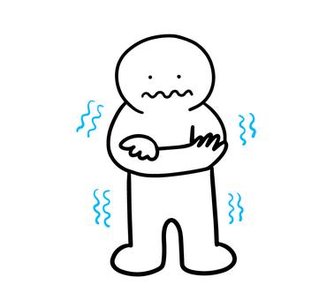
Thermogenesis: Non-voluntary energy expenditure, such as shivering or fidgeting (smallest contribution).


Basal Metabolic Rate (BMR)
BMR is the minimum energy required to maintain vital body functions in a resting, awake state. It is influenced by several factors:
Increases BMR: Greater lean body mass, larger surface area, male gender, fever, thyroid/growth hormones, pregnancy, caffeine, tobacco.
Decreases BMR: Low calorie intake, sleep, aging.
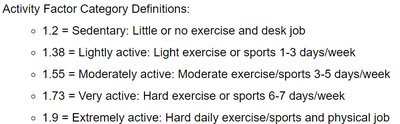
Physical Activity and NEAT
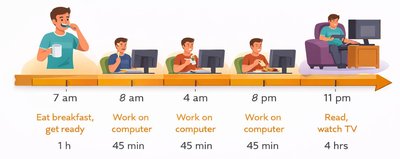
Physical activity includes all voluntary movements, while Non-Exercise Activity Thermogenesis (NEAT) refers to energy expended for daily activities other than sleeping, eating, or sports-like exercise.
NEAT Examples: Walking, house cleaning, shopping, gardening.
Importance: NEAT can significantly impact total energy expenditure, especially in sedentary individuals.
Thermic Effect of Food (TEF)
TEF is the energy required for digestion, absorption, and metabolism of nutrients. It varies by macronutrient:
Protein: 20-30% of energy consumed is used for TEF.
Carbohydrates: 5-10%.
Fat: 0-3%.
Thermogenesis
Thermogenesis is the production of heat, especially in response to cold or overeating. It includes shivering and fidgeting, and is the smallest contributor to TEE.
Measuring Energy Output
Direct Calorimetry
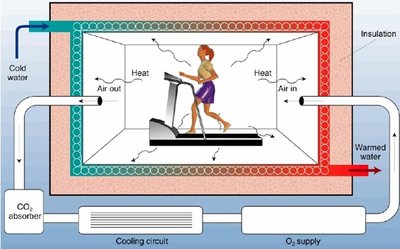
Direct calorimetry measures heat released by the body in a controlled chamber. It is accurate but expensive and complex.
Indirect Calorimetry
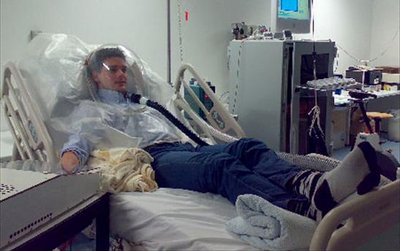
Indirect calorimetry estimates energy expenditure by measuring oxygen consumption and carbon dioxide production. It provides information on both the amount and type of fuel being used.
BMR Estimation: Harris-Benedict Equation
The Harris-Benedict equation estimates BMR based on sex, weight, height, and age:
Males:
Females:
Determinants of Body Weight
Factors Influencing Body Weight
Body weight is determined by a combination of genetic, physiological, behavioral, and environmental factors:
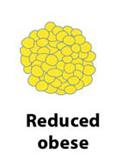
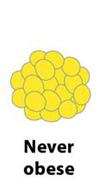
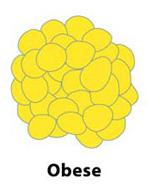
Genetics: Influences fat cell number and distribution.
Diet: Eating behavior and food selection.
Energy Expenditure: BMR and physical activity levels.
Estimating Healthy Body Weight: BMI
Body Mass Index (BMI) is a common tool for assessing healthy body weight. It is calculated as:
BMI Formula:

Underweight: <18.5
Normal: 18.5–24.9
Overweight: 25–29.9
Obese: 30–34.9
Extremely Obese: >35
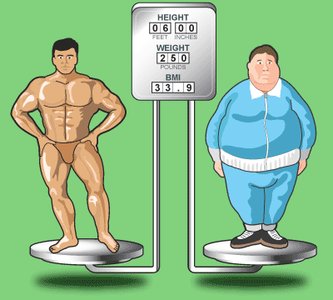
Limitations: BMI does not distinguish between muscle and fat mass and is not suitable for muscular individuals, pregnant women, or very short adults.
Body Fat Percentage
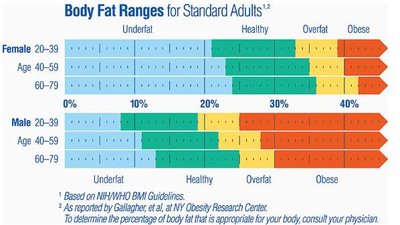
Desirable body fat percentages:
Men: 8–24%
Women: 21–35%
Consequences of Weight Imbalances
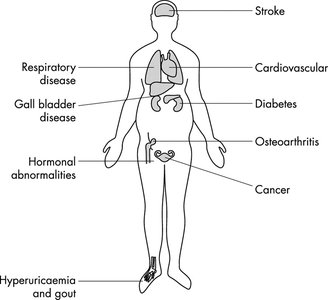
Overweight: Increased risk of cardiovascular disease, diabetes, hypertension, and other health issues.
Underweight: Weakness, hormonal imbalances, heart irregularities, and shortened lifespan.
Estimating Body Fat
Methods of Body Fat Assessment
Method | Strengths | Limitations |
|---|---|---|
Underwater Weighing | Very accurate | Time-consuming, requires submersion |
Air Displacement | Quick, comfortable, accurate, safe | Expensive |
DEXA | Accurate | Expensive, not portable, cannot distinguish fat types |
Skinfold Thickness | Convenient, inexpensive, portable | Less accurate, not suitable for morbid obesity |
Bioelectrical Impedance (BIA) | Convenient, portable | Accuracy affected by hydration status |
Body Fat Distribution
The location of body fat is important for predicting health risks:
Android (Upper Body) Obesity: More common in men, associated with higher risk of cardiovascular disease, hypertension, and diabetes.
Gynoid (Lower Body) Obesity: More common in women, associated with estrogen, and more difficult to lose.
Waist Circumference: >94 cm in men and >80 cm in women indicates increased risk.
Weight Regulation and Treatment
Diet and Weight Loss
Effective weight loss strategies focus on gradual, sustainable changes:
Set realistic goals: ~1% weight loss per week (0.5–1 kg/week).
Reduce caloric intake by 500 kcal/day for 1 lb/week weight loss.
Emphasize lifelong changes in eating and activity habits.
Steady weight loss preserves lean tissue and prevents sharp BMR decline.
Behavioral Modification
Self-monitoring: Track food intake, activity, and emotions to identify triggers and prevent relapses.
Stimulus Control: Manage environmental cues to reduce temptations and encourage healthy choices.
Relapse Prevention: Use stress management and regular goal reassessment to maintain motivation.
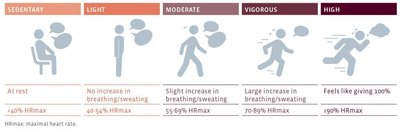
Physical Activity
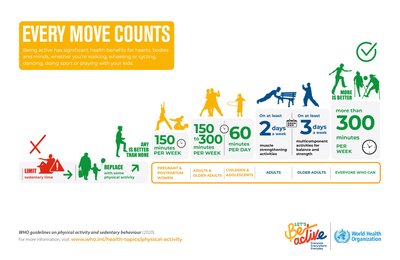
Encourage both aerobic and resistance training.
Guidelines: 150–300 minutes/week of moderate aerobic activity; muscle-strengthening ≥2 days/week.
Choose enjoyable, sustainable activities for long-term adherence.
Other Treatments
Medications: Used for BMI >30 or >27 with risk factors; mechanisms include appetite suppression, reduced fat absorption, or increased energy expenditure.
Liposuction: Cosmetic fat removal, not a weight-loss method; carries risks of complications.
Bariatric Surgery: For severe obesity (BMI ≥40 or ≥35 with comorbidities); requires multidisciplinary evaluation and lifelong follow-up.
Underweight Management
Identify and treat underlying causes (disease, malabsorption, inadequate intake).
Increase caloric intake by 500–1000 kcal/day for gradual weight gain.
Frequent, nutrient-dense meals and snacks are recommended.
Obesity Treatment Considerations
Plateau Effect
Weight loss may slow or stop due to decreased BMR, TEF, and energy cost of activity as body mass decreases. Strategies include resistance training, higher protein intake, and continued self-monitoring.
Weight Cycling (Yo-Yo Effect)
Repeated cycles of weight loss and regain can increase body fat and have negative health and psychological effects. Sustainable lifestyle changes are preferred over repeated dieting.
References
References are available upon request and include primary literature and authoritative nutrition textbooks.
