 Back
BackFactors Influencing Food Choices: An Introduction to Nutrition
Study Guide - Smart Notes
 Tailored notes based on your materials, expanded with key definitions, examples, and context.
What Is Nutrition?
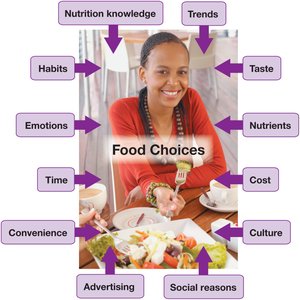
Factors That Drive Food Choices
Nutrition is the study of how food and its components affect health, growth, and development. Understanding the factors that influence food choices is essential for nutrition students, as these factors impact dietary patterns and health outcomes. Food choices are driven by a complex interplay of physiological, psychological, cultural, environmental, and economic factors.
Taste and Enjoyment: Taste is the primary determinant of food selection. With over 10,000 taste buds, humans are sensitive to sweet, salty, sour, bitter, and umami flavors. Preferences for certain tastes and textures are often genetically influenced and can change with age. Texture, such as crunchy or creamy, also affects enjoyment.
Culture and Environment: Cultural background shapes food preferences and traditional meals. Environmental factors, including climate, soil, and local food availability, influence what foods are accessible and commonly consumed. The food environment, such as plate size and food packaging, can affect portion sizes and consumption patterns.
Social Life and Trends: Social gatherings, holidays, and traditions often dictate food choices and meal sizes. Popular trends, such as organic foods or plant-based diets, influence purchasing decisions. Food sustainability and waste are increasingly important considerations.
Nutrition Knowledge: Awareness of the health effects of foods leads individuals to select foods perceived as healthy and avoid those considered unhealthy. Label reading and ingredient checking are common among health-conscious consumers.
Advertising: Food advertising, especially for unhealthy foods, significantly influences choices, particularly among children and young adults. Campaigns promoting fruits and vegetables can increase their consumption.
Time, Convenience, and Cost: Limited time and the need for convenience drive the popularity of prepared and fast foods. Cost is a major factor, with lower-priced foods often being less nutritious. However, reducing the price of healthy foods increases their consumption.
Habits and Emotions: Routine behaviors, such as eating cereal for breakfast, and emotional states, such as stress or happiness, can trigger eating or influence food selection.
Taste and Enjoyment
Taste is the most influential factor in food selection. Preferences for sweetness, fat, and specific textures are often established early in life and are resistant to change. The combination of fat and sugar, as in doughnuts, enhances preference. Texture, such as flaky versus tough piecrust or crunchy versus mealy apples, also plays a significant role.
Culture and Environment
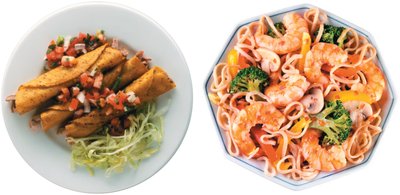
Cultural traditions and environmental conditions determine staple foods and meal patterns. For example, corn tortillas are common in Mexico, lentils in India, and rice in Asia. Environmental factors such as climate and proximity to water bodies affect food availability. The modern food environment, including plate size and packaging, influences how much and what we eat.
Social Life and Trends
Social interactions, such as family meals and celebrations, increase food intake and shape food choices. Food trends, including organic and plant-based diets, are driven by consumer preferences and environmental concerns. Eating with others, such as during holidays or sporting events, often leads to larger meals and specific food selections.

Nutrition Knowledge
Individuals with greater nutrition knowledge are more likely to choose foods that promote health and avoid those associated with disease. Label reading and awareness of dietary guidelines influence purchasing decisions. Perceptions about the health effects of foods, such as low-sodium or probiotic-rich options, guide choices.
Advertising
Advertising is a powerful tool used by the food industry to influence consumer behavior. Most advertisements target unhealthy foods, but campaigns promoting fruits and vegetables, such as the FNV campaign, have been shown to increase their consumption among those exposed to the messaging.

Time, Convenience, and Cost
Time constraints and the need for convenience have led to the rise of ready-to-eat and fast foods. Cost is a significant factor, with cheaper foods often being less nutritious. However, when healthy foods are made more affordable, their consumption increases. Meal kits and food delivery services are popular among urban consumers seeking convenience and healthier options.

Habits and Emotions
Daily routines and emotional states influence eating patterns. Habitual behaviors, such as eating cereal for breakfast or snacking while watching television, are common. Emotions, including stress, happiness, or sadness, can trigger eating or suppress appetite.
Summary Table: Factors Influencing Food Choices
Factor | Description | Example |
|---|---|---|
Taste & Enjoyment | Preference for flavors and textures | Sweet desserts, crunchy snacks |
Culture & Environment | Traditional foods and local availability | Corn tortillas in Mexico, rice in Asia |
Social Life & Trends | Social gatherings and food trends | Thanksgiving meals, organic foods |
Nutrition Knowledge | Health awareness and label reading | Choosing whole grains, avoiding fried foods |
Advertising | Influence of food marketing | Fruit and vegetable campaigns |
Time, Convenience, Cost | Quick, accessible, and affordable foods | Fast food, meal kits, quick-cooking rice |
Habits & Emotions | Routine behaviors and emotional eating | Breakfast cereal, stress eating |
Take-Home Message
Taste and enjoyment are the primary reasons people prefer certain foods. Availability, culture, habits, advertising, food trends, limited time, convenience, emotions, and perceptions of healthiness also influence food choices. Understanding these factors is essential for nutrition professionals seeking to promote healthy eating behaviors.
