 Back
Food Safety and Technology: Study Notes for Nutrition Students
Study Guide - Smart Notes
 Tailored notes based on your materials, expanded with key definitions, examples, and context.
Food Safety and Technology
Introduction
Food safety is a critical aspect of nutrition, ensuring that the foods we consume are free from harmful pathogens, toxins, and chemical agents. This chapter explores the causes of foodborne illness, prevention strategies, food supply protection, food additives, toxins, and bioterrorism in the context of nutrition.
Pathogens and Foodborne Illness
Types of Pathogens
Foodborne illnesses are caused by a variety of pathogens, including viruses, bacteria, parasites, fungi, and prions. These agents can contaminate food and water, leading to illness in humans.
Viruses: Require a living host to survive. Examples include Norovirus and Hepatitis A.
Bacteria: Can flourish on living and nonliving surfaces. Some are beneficial (e.g., making vitamin K and biotin), while others cause illness (e.g., Campylobacter, E. coli, Salmonella).
Parasites: Microscopic organisms that take nourishment from hosts, often transmitted via fecal-oral route.
Prions: Rare, deadly infectious agents causing diseases like Bovine Spongiform Encephalopathy (mad cow disease).
Chemical Agents and Toxins: Include naturally occurring toxins (e.g., poisonous mushrooms, some fish) and chemical contaminants.
Individuals at higher risk include older adults, young children, and those with compromised immune systems.
Health Connection: Listeria
Listeriosis is an infection caused by Listeria bacteria, commonly found in undercooked meats and unpasteurized dairy products. Pregnant women, the elderly, and young children are particularly susceptible. To prevent contamination, avoid deli meats, hot dogs, unpasteurized milk and cheese, undercooked meats, raw sprouts, celery, and cantaloupes.
Preventing Foodborne Illness: The Core Four
Conditions Favoring Bacterial Growth
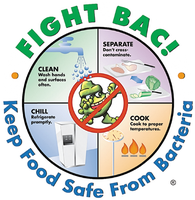
Bacteria thrive when there are adequate nutrients, moisture, correct pH, temperature, and time. The "Fight BAC!" campaign emphasizes four key practices:
Clean: Wash hands and surfaces often.
Separate: Avoid cross-contamination by keeping raw meats separate from other foods.
Cook: Cook foods to proper temperatures.
Chill: Refrigerate foods promptly.
Cleaning and Preventing Cross-Contamination
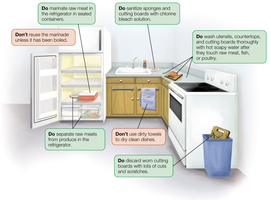
Proper cleaning and separation are essential to prevent foodborne illness:
Wash hands with hot soapy water for at least 20 seconds.
Sanitize cutting boards and sponges.
Wash fruits and vegetables under cold running water.
Keep raw meat, poultry, and fish separate from other foods during preparation, storage, and transport.
Use separate knives and cutting boards for meat and non-meat foods.
Cooking Foods Thoroughly
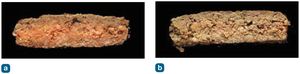
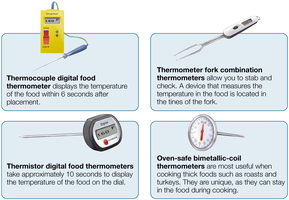
Cooking foods to the correct internal temperature is crucial for safety. Color is not a reliable indicator of doneness; use a food thermometer to ensure proper cooking.
Meat may appear brown but still be undercooked.
Cooked chicken may still look pink.
Measure internal temperature for safety.
Chilling Foods Properly
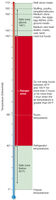
Bacteria multiply rapidly in the "danger zone" between 40ºF and 140ºF. Proper chilling prevents bacterial growth:
Keep hot foods above 140ºF.
Keep cold foods below 40ºF.
Do not leave perishables out for more than two hours.
Store leftovers for no more than four days; raw meats for two days.
Freezer temperature should be at or below 0ºF.
Protecting the Food Supply
Government Agencies and Food Safety Programs
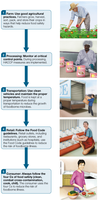
Multiple government agencies collaborate to ensure food safety in the United States. The Food Safety Initiative (FSI) and programs like Hazard Analysis and Critical Control Point (HACCP) are key components. DNA fingerprinting is used to distinguish bacterial strains, and the farm-to-table continuum illustrates food safeguards from production to consumption.
Food Preservation Techniques
Food manufacturers use various preservation methods to destroy contaminants:
Pasteurization: Heating liquids and foods to destroy pathogens (e.g., milk, juices).
Canning: Heating food and packing in airtight containers; rare cases of botulism can occur from home canning.
Retort canning: High temperature after canning.
Modified Atmosphere Packaging (MAP): Reduces oxygen in packages to slow spoilage.
High-Pressure Processing (HPP): Uses pressure pulses to destroy microorganisms.
Irradiation: Uses radiant energy to kill bacteria (not viruses); irradiated foods must be labeled with the "radura" logo.

Product Dating
Product dating helps consumers determine peak quality:
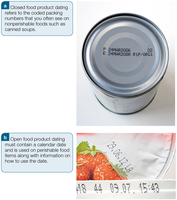
Closed (coded) dating: Packing numbers for inventory and recalls (nonperishable foods).
Open dating: Calendar date on perishable foods indicating quality, not safety (e.g., "Sell By" or "Use By" dates).
Improper storage can make food unsafe even if used by the date.
Food Additives
Types and Functions of Food Additives
Food additives are substances added to foods to preserve, enhance, or improve their quality. They are closely regulated by the FDA.
Preservatives: Prevent spoilage and increase shelf life (e.g., nitrites, nitrates, sulfites).
Texture and Consistency Enhancers: Gums, pectins, emulsifiers, leavening agents, anti-caking agents, humectants.
Nutrient Additives: Enrichment of grains with B vitamins, iron, folic acid.
Color and Flavor Enhancers: FDA-certified color additives, MSG.
Unintentional Additives: Chemicals from processing (e.g., dioxins).
Some additives are "generally recognized as safe" (GRAS status), such as salt, sugar, and spices.
Toxins and Chemical Agents in Food
Natural and Environmental Toxins
Toxins can occur naturally in foods or result from environmental contamination:
Marine Toxins: Cooking does not destroy these toxins. Examples include scombrotoxic (histamine) fish poisoning, ciguatera poisoning, and paralytic shellfish poisoning.
Plant Toxins: Potatoes exposed to light contain solanine; wild lima beans and cassava contain cyanogenic glycosides.
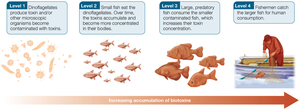
Environmental Contaminants: Polychlorinated biphenyls (PCBs) and methylmercury can bioaccumulate in fish, posing health risks.
Bioterrorism and Food Biosecurity
Food as a Target for Bioterrorism
Food and water can be targets for bioterrorism, either by direct contamination with pathogens (e.g., botulism, Salmonella, E. coli O157:H7, Shigella) or by disrupting the availability of safe food. The Department of Homeland Security coordinates efforts among local, state, and federal agencies to protect food biosecurity.
Summary Table: Pathogens That Cause Foodborne Illness
The following table summarizes key pathogens responsible for foodborne illness, their sources, and symptoms. (Additional info: Table entries inferred from CDC and textbook context.)
Pathogen | Source | Symptoms |
|---|---|---|
Norovirus | Contaminated water, shellfish, produce | Gastroenteritis, vomiting, diarrhea |
Hepatitis A | Contaminated water, produce | Jaundice, fatigue, abdominal pain |
Campylobacter | Poultry, unpasteurized milk | Diarrhea, fever, abdominal cramps |
E. coli | Ground beef, produce | Bloody diarrhea, hemolytic uremic syndrome |
Salmonella | Eggs, poultry, produce | Diarrhea, fever, abdominal cramps |
Listeria | Undercooked meats, unpasteurized dairy | Fever, muscle aches, meningitis |
Prions | Contaminated beef | Neurological symptoms, death |
Summary Table: Common Food Additives
The following table summarizes common food additives and their functions. (Additional info: Table entries inferred from FDA context.)
Additive | Function | Example |
|---|---|---|
Nitrites/Nitrates | Preservative | Cured meats |
Sulfites | Antioxidant | Dried fruits |
Gums/Pectins | Texture enhancer | Jams, jellies |
Emulsifiers | Stabilizer | Salad dressings |
Leavening agents | Rising agent | Bread |
MSG | Flavor enhancer | Processed foods |
Folic acid | Nutrient enrichment | Breads, cereals |
