 Back
BackFood Safety: Principles and Practices for Nutrition Students
Study Guide - Smart Notes
 Tailored notes based on your materials, expanded with key definitions, examples, and context.
Food Safety & Regulation
Introduction to Food Safety
Food safety is a scientific discipline focused on the proper handling, preparation, and storage of food to prevent foodborne illnesses caused by pathogenic microorganisms. Understanding food safety is essential for nutrition professionals to protect public health and reduce the risk of disease transmission through food.
Key Definitions
Foodborne illness: A disease transmitted to people through food, often caused by bacteria, viruses, or parasites.
Pathogenic microorganisms: Invisible living organisms ("microbes" or "germs") that cause illness. Food provides ideal conditions for their growth: nutrients, moisture, and warmth (4°C to 57°C).
Global and Regional Burden
The World Health Organization (WHO) estimates that 600 million people become ill and 420,000 die annually from contaminated food.
Children under five years are especially vulnerable.
In regions like the Eastern Mediterranean (including Lebanon), over 100 million cases occur each year.
Foodborne Illnesses in Lebanon
Data reporting is limited and often incomplete.
Research shows a significant association between food safety knowledge, attitudes, and practices.
Education on food safety is crucial to reduce risks, especially with raw meat consumption.
Sources of Pathogenic Microorganisms
Purchased foods
Home-grown foods
Animals (indoor and outdoor)
Water
Environment
Top Foods Causing Illness (2009–2018)
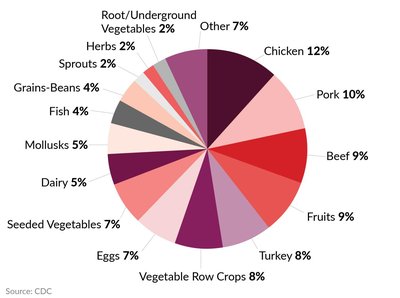
Chicken, pork, beef, fruits, and vegetables are among the top foods associated with outbreaks.
Recent U.S. Outbreaks
Super Greens Supplement Powder – Salmonella
Raw Oysters – Salmonella
Infant Formula – Infant Botulism
Prepared Pasta Meals – Listeria
Symptoms of Foodborne Illnesses
Foodborne illnesses can present with a variety of symptoms, which may range from mild to severe and can be life-threatening in vulnerable populations.
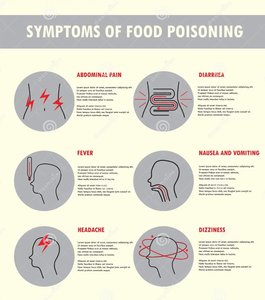
Abdominal pain
Diarrhea
Fever
Nausea and vomiting
Headache
Dizziness
Vulnerable Populations
Certain groups are at higher risk for severe foodborne illness due to weaker immune systems or physiological vulnerability.
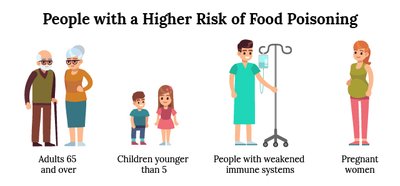
Adults aged 65 and older
Children younger than 5 years
People with weakened immune systems (due to illness or medical treatment)
Pregnant women and their fetuses
Flow of Food Safety: From Farm to Table
Food safety must be maintained at every stage of the food supply chain, from production to consumption.
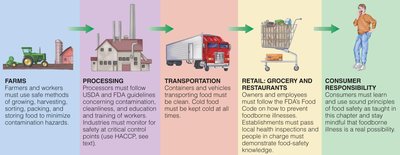
Farms: Safe methods for growing, harvesting, and storing food.
Processing: Compliance with regulations and cleanliness.
Transportation: Cold food must be kept cold at all times.
Retail/Restaurants: Health inspections and proper food handling.
Consumer Responsibility: Safe food handling and awareness at home.
Protective Measures: The Four Steps to Food Safety
1. Clean
Cleaning is the first and most fundamental step in food safety. It involves washing hands, food, and surfaces to remove dirt and microorganisms.
Clean hands before and after handling food.
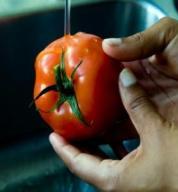
Clean food (especially fresh produce) before eating or cooking.
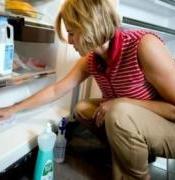
Clean surfaces and utensils regularly.
Cover food to protect from contamination.
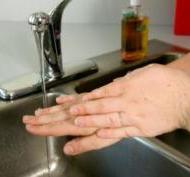
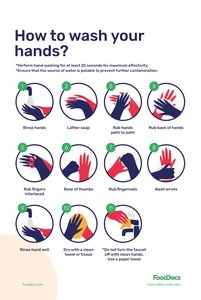
Hand Washing Steps
Wet hands with clean, running water (warm or cold), turn off the faucet, and apply soap.
Lather hands, including backs, between fingers, and under nails.
Scrub for at least 20 seconds (sing "Happy Birthday" twice).
Rinse well under clean, running water.
Dry with a clean towel or air dry.
When to Wash Hands
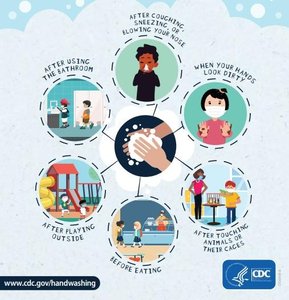
Before, during, and after preparing food
Before and after eating
After using the toilet, changing diapers, or cleaning up a child
After blowing your nose, coughing, or sneezing
After touching animals or garbage
Food Safety Myths
Myth: Mayonnaise at picnics causes illness. Fact: Commercial mayonnaise is acidic and inhibits bacteria; unprotected meats or eggs are the real risk if left warm.
Myth: If food looks and smells fine, it is safe. Fact: Many harmful bacteria do not change food’s appearance, smell, or taste.
Myth: Rinsing raw chicken or meat makes it safer. Fact: Rinsing spreads bacteria via splashing, increasing cross-contamination risk.
Cleaning Fresh Produce
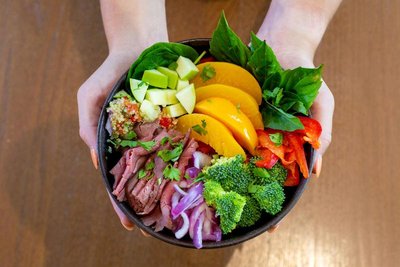
Choose whole fruits and vegetables over pre-cut and packaged.
Clean produce before eating, cutting, or cooking (unless labeled pre-washed).
Do not cut produce until ready to eat.
Wash hands before and after handling produce.
Cut away damaged or bruised areas.
Rinse before peeling to avoid transferring bacteria from skin to flesh.
Gently rub under running water; use a brush for firm produce.
Dry with a clean cloth or paper towel.
Remove outer leaves of lettuce or cabbage.
2. Separate
Separation prevents cross-contamination between raw and cooked foods, as well as between different food types.
Store raw meat, poultry, and seafood on the bottom shelf of the fridge.
Use separate cutting boards for raw meat and for fruits/vegetables.
Wash and sanitize cutting boards and utensils after each use.
Never place cooked food on surfaces that held raw meat without cleaning first.
Do not wash meat or poultry to avoid spreading bacteria.
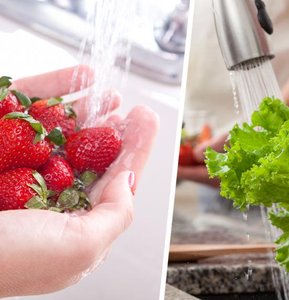
Grocery Shopping Tips
Avoid canned goods that are dented, leaking, bulging, or rusted.
Separate raw meat, poultry, and seafood from produce in your cart and fridge.
Use plastic bags to prevent juices from contaminating other foods.
Buy cold foods last and refrigerate or freeze perishables within 2 hours (1 hour if above 32°C).
Proper Fridge Distribution
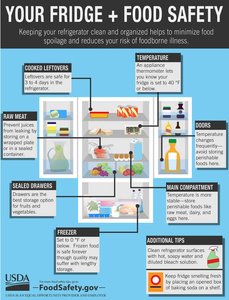
3. Cook
Cooking food to the right temperature kills harmful microorganisms. The only accurate way to check is with a food thermometer.
Use a clean food thermometer to check internal temperatures.
Cook eggs until yolk and white are firm.
Fish should be opaque and flake easily.
Reheat leftovers thoroughly (only once).
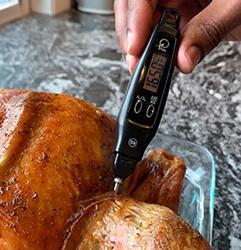
Safe Minimum Cooking Temperatures
Food | Minimum Temperature (°F) | Minimum Temperature (°C) |
|---|---|---|
Ground beef, pork, veal, lamb | 160 | 71 |
Ground chicken, turkey | 165 | 74 |
Steaks, roasts, chops | 145 | 63 |
Poultry | 165 | 74 |
Fresh pork, ham | 145 | 63 |
Precooked ham | 165 | 74 |
Egg dishes | 160 | 71 |
Leftovers, casseroles | 165 | 74 |
Fish with fins | 145 | 63 |
Temperature Guidelines
Keep freezer at -18°C or lower.
Keep refrigerator at 4°C or lower.
Refrigerate or freeze prepared food and leftovers within 2 hours (1 hour if above 32°C).
Divide large amounts of leftovers into shallow containers for quick cooling.
Use a thermometer to check refrigerator temperature.
4. Chill
Chilling slows the growth of harmful microorganisms. Proper storage and thawing techniques are essential for food safety.
Marinate foods in the refrigerator.
Do not overfill the refrigerator; cold air must circulate.
Refer to official cold food storage charts for guidance.
Thawing Techniques
Thaw in the refrigerator, in cold water, in the microwave, or by cooking directly.
Never thaw foods at room temperature; bacteria multiply quickly in the "danger zone" (4°C to 60°C).
Food Safety During Power Outages
Keep refrigerator at 4°C or below, freezer at -18°C or below.
Keep doors closed during outages; a full freezer stays cold for 48 hours, a refrigerator for 4 hours.
After 4 hours without power, move perishables to a cooler with ice if possible.
When in doubt, throw it out—never taste food to check safety.
Refreeze or cook thawed food if it still contains ice crystals or is at 4°C or below.
Summary Table: The Four Steps to Food Safety
Step | Key Actions |
|---|---|
Clean | Wash hands, food, and surfaces; cover food |
Separate | Prevent cross-contamination; use separate boards; store properly |
Cook | Use thermometer; cook to safe temperatures |
Chill | Refrigerate promptly; thaw safely; monitor temperatures |
References
World Health Organization (WHO)
Centers for Disease Control and Prevention (CDC)
Food and Drug Administration (FDA)
U.S. Department of Agriculture (USDA)
Foodsafety.gov
