Back
BackIntroduction to Nutrition: Core Concepts and Foundations
Study Guide - Smart Notes
 Tailored notes based on your materials, expanded with key definitions, examples, and context.
Introduction to Nutrition
Overview of Nutrition Science
Nutrition is the scientific study of the food we eat and how our body utilizes the chemicals from that food. It encompasses digestion, absorption, metabolism, energy balance, and the impact of nutrition on body weight and chronic disease risk. Behavioral, social, and environmental factors also influence eating patterns.
Nutrition: The study of nutrients in food, their role in health, and how the body processes them.
Health: Defined by the WHO as a state of complete physical, mental, and social well-being, not merely the absence of disease.
Nutrition's Impact: Improved health outcomes, stronger immune system, safer pregnancy, lower risk of non-communicable diseases, greater longevity, and productivity.
Types of Nutrients
Nutrients are chemicals in food essential for growth and function. They provide energy, form building blocks, and regulate chemical processes. Nutrients are classified as organic (containing carbon) or inorganic (no carbon).
Organic Nutrients: Carbohydrates, proteins, fats, vitamins.
Inorganic Nutrients: Water, minerals, salts, oxygen.
Macronutrients: Needed in large amounts (proteins, carbohydrates, lipids, water).
Micronutrients: Needed in small amounts (vitamins, minerals).
Dietary Reference Intakes (DRIs)
DRIs are guidelines for nutrient intake to minimize risk of inadequacy and toxicity. Most healthy individuals should consume amounts between the Recommended Dietary Allowance (RDA) and the Upper Limit (UL).
Risk of Inadequacy: Not meeting nutrient needs can lead to deficiency.
Risk of Toxicity: Excessive intake can cause harm.
Scientific Method and Research in Nutrition
Scientific Method
The scientific method is used to study nutrition and involves observation, hypothesis formation, testing, and analysis.
Observation: Accurate and unbiased data collection.
Hypothesis: Testable explanation for observations.
Testing: Experimentation and data collection.
Analysis: Interpretation of results to support or refute the hypothesis.
Types of Research Studies
Nutrition research includes various study types, each with different reliability.
Observational Studies: Examine associations between diet and health outcomes.
Experimental Studies: Test interventions and establish causality.
Scientific Tools
Tools such as graph reading, statistics, p-values, error bars, confidence intervals, relative risk, and hazard ratios are used to interpret nutrition research.
Statistical Significance: Indicates whether results are likely due to chance.
Relative Risk: Compares risk between groups.
Macronutrients
Carbohydrates
Carbohydrates are the primary energy source for the body. They include sugars, starch, and fiber, and are composed of carbon, hydrogen, and oxygen.
Simple Carbohydrates: Monomers (single units).
Complex Carbohydrates: Polymers (chains of monomers), such as oligosaccharides (3-10 units) and polysaccharides (hundreds to thousands of units).
Functions: Quick energy and short-term storage.
Lipids
Lipids are important for energy at rest and during low-intensity exercise. They are insoluble in water and include fatty acids, triglycerides, phospholipids, and steroids.
Functions: Long-term energy storage, insulation, organ protection, cell membrane structure, regulation of body functions.
Saturation: Saturated fats have no double bonds and pack tightly; unsaturated fats have double bonds and are less tightly packed.
Trans Fats: Increase cardiovascular disease risk, alter membrane characteristics, raise LDL cholesterol, cause inflammation and calcification in arteries.
Proteins
Proteins support tissue growth, repair, and maintenance. They are composed of carbon, hydrogen, oxygen, and nitrogen, and made up of 20 unique amino acids.
Functions: Enzymes, structural support (bones, muscle, skin), antibodies, hormones, and messenger chemicals.
Water
Water is inorganic, contains hydrogen and oxygen, and provides no calories. It is essential for transport, chemical reactions, organ cushioning, and temperature regulation.
Functions: Maintains hydration, supports metabolic processes, regulates body temperature.
Energy in Macronutrients
Macronutrients (except water) provide calories, which are units of energy.
Carbohydrate: 4 kcal/g
Protein: 4 kcal/g
Fat: 9 kcal/g
Alcohol: 7 kcal/g (not a nutrient)
Calculating Calories
To calculate calories from macronutrients:
Fat: 15 g x 9 kcal/g = 135 kcal
Carb: 16 g x 4 kcal/g = 64 kcal
Protein: 6 g x 4 kcal/g = 24 kcal
% of total kcal from fat:
Micronutrients
Vitamins
Vitamins are organic compounds required in small amounts. They do not provide calories but assist in regulating body processes.
Water-Soluble Vitamins: B, C
Fat-Soluble Vitamins: A, D, E, K
Minerals
Minerals are inorganic substances required in small amounts. They do not provide calories and assist in regulating body processes.
Major Minerals: Needed in larger amounts.
Trace Minerals: Needed in smaller amounts.
Human Microbiota
Microbiome and Digestion
The human microbiota consists of bacteria, viruses, fungi, and yeasts living in close relationship with the human host. The microbiome is the genome of these microorganisms.
4-6 pounds of microorganisms per person.
Microbe cells are roughly equal in number to human cells.
Important roles in digestion and immune function.
Energy Balance and Body Weight
Body Mass Index (BMI)
BMI measures relative weight for height and indicates risk for health problems. It is useful for epidemiological studies.
BMI Formula:
Energy Balance
Energy balance is determined by the energy content of macronutrients.
Carbohydrate: 4 kcal/g
Protein: 4 kcal/g
Fat: 9 kcal/g
Alcohol: 7 kcal/g
Nutrition Math and Dimensional Analysis
Dimensional Analysis
Dimensional analysis is used to convert units in nutrition calculations.
Identify the value and unit to convert.
Find the conversion factor.
Set up the equation so undesired units cancel out.
Multiply through to reach the answer.
Units of Measure
Mass: Grams (macronutrients), milligrams, micrograms (micronutrients).
Volume: Liters (food quantity).
Length: Meters (human height).
Personal Diet and Lifespan Nutrition
Diet Analysis
Determine daily calorie needs.
Calculate macronutrient distribution.
Assess intake using a food diary.
Plan a diet to meet macronutrient and micronutrient targets.
Lifespan Nutrition
Nutrition needs change from pregnancy through older adulthood.
Presentation on nutrition across the lifespan is a course project.
Nutrition & Mental Health
Emerging Research
Shifting to a Mediterranean-style diet for 3 weeks lowered depression levels in ages 17-35.
Diet rich in fruits, vegetables, whole grains, fish, nuts, seeds, and olive oil.
Decreased inflammation and changes in the microbiome may play a role.
Plants and Nutrition
Plant vs. Animal Nutrition
Plants and animals differ in structure, energy, and defense mechanisms.
Humans rely on plants for nutrition; plants may rely on animals for pollination and seed dispersal.
Food Safety and Regulation
Food Labels and MyPlate
FDA requires information on food labels, including Nutrition Facts Panel.
USDA MyPlate provides guidelines for balanced eating.
Tables
Macronutrient Caloric Values
Macronutrient | Calories per Gram (kcal/g) |
|---|---|
Carbohydrate | 4 |
Protein | 4 |
Fat | 9 |
Alcohol | 7 |
Types of Nutrients
Type | Examples | Function |
|---|---|---|
Macronutrients | Carbohydrates, Proteins, Lipids, Water | Energy, Structure, Growth |
Micronutrients | Vitamins, Minerals | Regulation of body processes |
Relevant Images
Pacific Northwest Foraging
Foraging in the Pacific Northwest provides a variety of seasonal foods, such as razor clams, squid, stinging nettles, fiddleheads, lingcod, shad, dandelions, shellfish, morels, Dungeness crab, salmon, huckleberries, oysters, steelhead, and chanterelles. These foods contribute to traditional diets and nutrition.

Camping and Outdoor Nutrition
Outdoor activities such as camping can influence food choices and nutrition, emphasizing the importance of planning balanced meals and understanding food safety in natural environments.

Food Industry and Nutrition Technology
Partnerships with food companies and technology scouts play a role in advancing nutrition science and developing new products for healthful eating.


Food Safety and Nutrition Facts
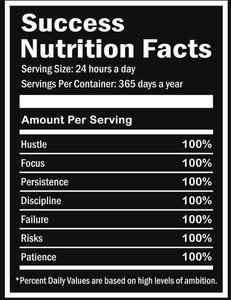
Nutrition Facts Panels are required on food labels to inform consumers about the nutritional content of packaged foods, supporting informed dietary choices.
Global Nutrition Partnerships
Nutrition technology partnerships span across the globe, reflecting the international scope of nutrition science and food industry collaboration.

Traditional Foods and Markets
Traditional food markets provide access to fresh produce and local foods, which are important for diverse and balanced nutrition.