 Back
Life Cycle Nutrition: Pregnancy through Infancy – Structured Study Notes
Study Guide - Smart Notes
 Tailored notes based on your materials, expanded with key definitions, examples, and context.
Life Cycle Nutrition: Pregnancy through Infancy
Preconception Nutrition and Lifestyle
Nutrition and lifestyle choices before conception are crucial for both men and women, as they directly impact fertility and the health of the future baby.
Men: Healthy sperm production is supported by a balanced diet, adequate zinc and folate, and antioxidants (vitamins C, E, carotenoids). Avoid smoking, alcohol, drug abuse, and obesity.
Women: Achieving a healthy weight, consuming adequate folic acid (for cell growth and development), moderating fish and caffeine intake, and avoiding cigarettes and toxic substances are essential.
Folic Acid: Recommended intake is 400 micrograms/day before conception.
Caffeine: Limit to less than 200 mg/day; excessive intake may delay conception.
First Trimester: Nutritional Needs and Behaviors
The first trimester marks the beginning of fetal development, with critical periods of growth and differentiation. Proper nutrition and lifestyle choices are vital to support the embryo and fetus.
Fetal Development: The fertilized egg travels down the fallopian tube, implants in the uterus, and develops into an embryo, then a fetus after 8 weeks.
Placenta: The placenta connects the fetus to the mother, facilitating nutrient and waste exchange.
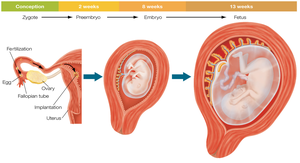
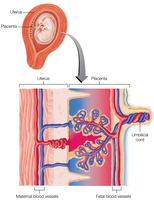
Morning Sickness: Common due to hormonal changes; may cause food aversions or cravings (including pica).
Weight Gain: Recommended total gain is 25–35 lbs; 1–4.5 lbs in the first trimester. Excess weight can increase risks for both mother and child.
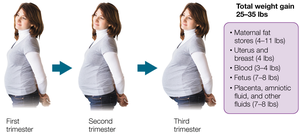
Key Nutrients: Increased needs for folate, iron, zinc, copper, calcium, vitamin D, omega-3 fatty acids (DHA), choline, and vitamin B12. Limit preformed vitamin A to avoid toxicity.
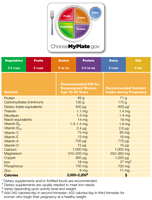
Food Safety: Avoid raw/undercooked meats, unpasteurized products, and raw sprouts to reduce risk of foodborne illness (e.g., listeria).
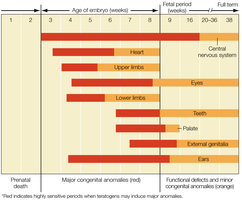
Critical Periods: Early development stages are highly sensitive to nutritional deficiencies and toxins, increasing risk of miscarriage and birth defects.
Second Trimester: Nutritional and Lifestyle Considerations
During the second trimester, the mother’s energy and nutrient needs increase to support fetal growth and maternal health.
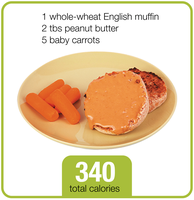
Caloric Needs: Additional 340 calories/day; recommended weight gain is about 1 lb/week.
Carbohydrates: 175 g/day (vs. 130 g for nonpregnant women).
Protein: 71 g/day (35% increase).
Exercise: At least 150 minutes of moderate-intensity aerobic activity per week; benefits include improved weight management, reduced aches, improved energy, and lower risk of gestational diabetes.
Complications: Gestational diabetes (risk factors include obesity, family history) and pregnancy-induced hypertension (gestational hypertension, preeclampsia, eclampsia).
Third Trimester: Nutritional Needs and Common Issues
The third trimester requires further increases in caloric intake and careful management of common discomforts.
Caloric Needs: Additional 450 calories/day; gain about 1 lb/week.
Digestive Issues: Heartburn and constipation are common due to hormonal changes and physical pressure; small, frequent meals and fiber-rich foods can help.
Hemorrhoids: May develop due to increased pressure and constipation.
Special Concerns for Young and Older Mothers-to-Be
Teenage and older mothers face unique nutritional and health challenges during pregnancy.
Teenagers: May have unbalanced diets and higher risk of deficiencies (iron, folic acid, calcium, calories), pregnancy-induced hypertension, and low birth weight.
Older Mothers (>35): Higher risk of diabetes and hypertension; should achieve healthy weight, avoid smoking, and consume adequate folic acid.
Breast-Feeding: Benefits and Physiology
Breast-feeding offers numerous benefits for both mother and infant, including nutritional, immunological, and emotional advantages.
Lactation: Prolactin stimulates milk production; oxytocin triggers milk release (let-down response).
Benefits for Mothers: Aids recovery, reduces risk of chronic diseases, promotes bonding, and is cost-effective.
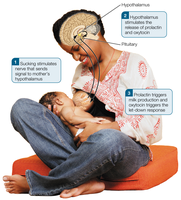
Benefits for Infants: Breast milk provides ideal nutrition, changes composition as infant grows, contains colostrum (antibodies, protein, minerals, vitamin A), and is high in lactose, fat, and B vitamins.
Health Protection: Reduces risk of infections, allergies, chronic diseases, and may enhance brain development (DHA and AA fatty acids).
Dietary and Lifestyle Habits for Breast-Feeding Mothers
Breast-feeding mothers require increased fluid and caloric intake, along with a balanced diet similar to pregnancy.
Fluid Needs: About 13 cups/day.
Caloric Needs: First 6 months: 500 extra calories/day; second 6 months: 400 extra calories/day.
Diet: Well-balanced, avoid alcohol and illicit drugs, limit caffeine, follow FDA fish guidelines.
Infant Formula: When It Is a Healthy Alternative
Infant formula is a regulated, nutritionally adequate alternative for infants who cannot be breast-fed.
Contraindications for Breast-Feeding: Maternal HIV/AIDS, certain infections, chemotherapy, illegal drug use, galactosemia in infant.
Formula Composition: Designed to mimic breast milk; cow’s milk and soy protein formulas are available. Cow’s milk alone is not suitable for infants.
Regulation: FDA sets nutrient requirements for infant formula.
Infant Nutritional Needs and Growth
Infants have accelerated growth and high nutrient requirements, especially for energy, protein, and micronutrients.
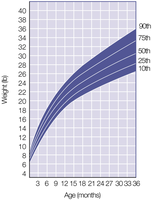
Growth: Double birth weight by 6 months, triple by 12 months. Growth charts monitor progress (head circumference, length, weight).
Failure to Thrive (FTT): Indicates delayed growth or insufficient weight gain.
Energy Needs: 82 calories/kg for first 6 months.
Micronutrients: Vitamin K injection at birth, vitamin D drops, iron-rich foods at 6 months, vitamin B12 if mother is deficient, fluoride if not in water.
Introduction of Solid Foods
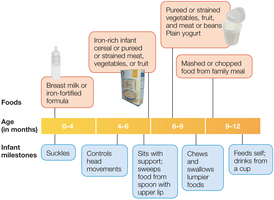
Solid foods should be introduced when infants are nutritionally and physiologically ready, typically around 6 months.
Readiness: Depleted iron stores, matured GI tract and kidneys, doubled birth weight, faded tongue-thrust reflex, head and neck control.
Feeding Reflexes: Rooting, suck/swallow, tongue-thrust, gag reflex.
Gradual Introduction: Start with puréed foods, then mashed; iron-rich cereals and puréed meats are good first foods.
Foods to Avoid: Choking hazards (hot dogs, raw carrots), honey (risk of botulism), excessive fruit juice, allergens (peanuts can be introduced at 6 months).
Food Allergies and Intolerances in Infants
Food allergies are abnormal immune responses to specific foods, while intolerances do not involve the immune system.
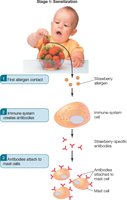
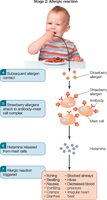
Allergy Stages: Sensitization (antibodies attach to mast cells), allergic reaction (histamine release, symptoms such as vomiting, diarrhea, hives, asthma).
Anaphylaxis: Severe, life-threatening reaction.
Common Allergens: Eggs, milk, peanuts.
Intolerance Example: Lactose intolerance.
Summary Table: Nutrition and Lifestyle Across Pregnancy and Infancy
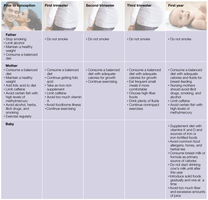
This table summarizes recommended behaviors and nutritional needs for fathers, mothers, and babies from preconception through the first year.
Stage | Father | Mother | Baby |
|---|---|---|---|
Preconception | Stop smoking, avoid alcohol, manage healthy weight, balanced diet | Balanced diet, healthy weight, adequate folic acid, avoid toxins | --- |
First Trimester | Do not smoke | Balanced diet, adequate weight gain, folic acid, iron, calcium, avoid foodborne illness | --- |
Second Trimester | Do not smoke | Balanced diet, adequate calories, protein, exercise, monitor for complications | --- |
Third Trimester | Do not smoke | Balanced diet, extra calories, manage digestive issues, fiber-rich foods | --- |
First Year | Do not smoke | Balanced diet, adequate fluids, avoid alcohol/drugs, follow feeding guidelines | Supplement with vitamin K, D, iron-rich foods, monitor growth, introduce solids when ready |
Additional info:
Gestational weight gain recommendations may vary for women with obesity or multiple fetuses.
FDA guidelines for fish consumption are important to avoid methylmercury exposure.
Infant formula is available in powdered, concentrated liquid, and ready-to-use forms.
