 Back
BackLipids: Structure, Function, Digestion, and Health Implications
Study Guide - Smart Notes
 Tailored notes based on your materials, expanded with key definitions, examples, and context.
Lipids
What Are Lipids?
Lipids are a diverse group of organic compounds that are mostly insoluble in water and play critical roles in human health. They are composed primarily of carbon, hydrogen, and oxygen, and yield high energy when metabolized.
Structural Components: Lipids are essential for cell membrane structure.
Energy Storehouses: Lipids store energy more efficiently than carbohydrates or proteins.
Signaling Molecules: Lipids participate in cellular signaling and hormone production.
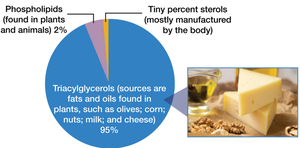
Main Types: Triacylglycerols, phospholipids, and sterols.
The Functions of Lipids in the Body
Lipids serve multiple functions in the body, including energy storage, hormone regulation, and protection of organs.
Adipose Tissue: Stores excess energy as fat.
Energy Density: Each gram of fat provides more than double the energy of carbohydrates.
Cholesterol: Essential for cell membranes, hormone synthesis, vitamin D, and bile salts.
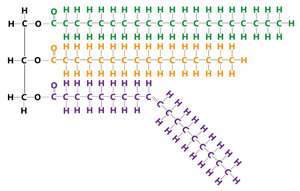
Triacylglycerols: The most common lipid, composed of three fatty acids and one glycerol molecule.
Body Fat Ranges: 10–20% for males, 20–32% for females is considered healthy.
Phytochemicals: Nonessential plant compounds with health benefits.
The Role of Lipids in Food
Lipids in food provide energy, enhance flavor, and promote satiety. High-fat foods are especially important for individuals with high energy needs, such as athletes, children, and those recovering from illness.
Satiety: Fats contribute to the feeling of fullness after eating.
Caloric Density: Foods high in fat contain more calories than those high in protein or carbohydrates.
How Lipids Work
Structure and Function of Lipids
The structure of each lipid type determines its function and impact on health.
Triacylglycerols: Three fatty acids attached to a glycerol backbone.
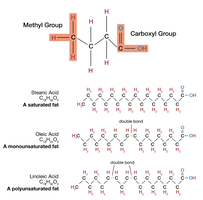
Fatty Acids: Differ by essentiality, carbon-chain length, and degree of saturation.
Saturated Fatty Acids: Maximum hydrogen atoms, no double bonds.
Unsaturated Fatty Acids: One or more double bonds; includes monounsaturated and polyunsaturated types.
Fatty Acids: Types and Sources
Fatty acids are classified as essential or nonessential, and their structure affects their function.
Essential Fatty Acids: Must be obtained from the diet (e.g., omega-3 and omega-6).
Nonessential Fatty Acids: Can be synthesized by the body.
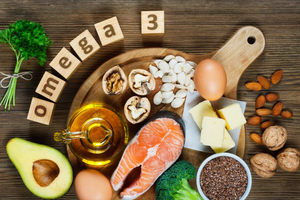
Omega-3 Sources: Fish, flaxseed oil, hemp, walnuts, leafy vegetables.
Omega-6 Sources: Vegetable oils, tofu.
Phospholipids
Phospholipids are a major component of cell membranes due to their amphiphilic nature.
Structure: Glycerol backbone, two fatty acids, and a phosphate group with a nitrogen-containing group.
Function: Act as emulsifiers, allowing oil and water to mix.
Sterols
Sterols, such as cholesterol, have a multiring structure and are vital for cell membrane integrity and hormone synthesis.
Structure: Interlinking rings of carbon atoms.
Function: Cholesterol is important for vitamin D and hormone synthesis.
Digestion and Absorption of Lipids
Steps in Lipid Digestion
Lipid digestion begins in the mouth and continues in the stomach and small intestine.
Lipase: Enzyme that breaks down triacylglycerols and phospholipids.
Gastric Lipase: Starts breakdown in the stomach.
Bile: Emulsifies fats in the small intestine.
Micelles: Transport digested lipids across the intestinal wall.
Lipoproteins: Transport fats through blood and lymph.
Chylomicrons: Formed in intestinal cells to transport fats.
Understanding Blood Cholesterol
Major Lipoproteins
Lipoproteins transport lipids in the blood and are classified by density.
VLDL: Very low-density lipoproteins, transport triacylglycerols and cholesterol.
IDL: Intermediate-density lipoproteins.
LDL: Low-density lipoproteins, "bad cholesterol"; high levels increase heart disease risk.
HDL: High-density lipoproteins, "good cholesterol"; high levels reduce heart disease risk.
Blood Cholesterol Recommendations
Maintaining healthy blood cholesterol levels is crucial for cardiovascular health.
Total Cholesterol: <200 mg/dL is optimal.
LDL: <100 mg/dL is optimal.
HDL: >60 mg/dL is optimal.
Triacylglycerols: 10–150 mg/dL is optimal.
Balancing Your Diet with Lipids
Recommended Fat Intake
Proper dietary fat intake is essential for health.
Adults: 20–35% of total calories from fat; <10% from saturated fat.
Children (over 4): 25–35% of calories from fat.
Sources: Prefer polyunsaturated and monounsaturated fats.
Identifying Sources of Fat
Monounsaturated Fat: Plant oils, nuts, avocados.
Polyunsaturated Fat: Plant-based foods, oils, fish.
Saturated Fat: Animal products, dairy, palm and coconut oils, cocoa butter.
Omega-3 and Omega-6 Fatty Acids
Omega-3 and omega-6 fatty acids are essential and must be balanced for optimal health.
Omega-3: Linolenic acid, EPA, DHA; found in fish, flaxseed, walnuts.
Omega-6: Linoleic acid, ARA; found in vegetable oils, eggs, grains.
Balance: Excess omega-6 can increase risk for chronic diseases.
Lipids and Disease
Impact of Saturated Fat and Cholesterol
Excess intake of saturated fat and cholesterol is linked to cardiovascular disease and other health issues.
Health Risks: Heart attack, stroke, heart failure, arrhythmia.
Dietary Recommendations: Limit saturated fats, increase monounsaturated fats, consume whole grains and fiber, exercise regularly.
Summary Table: Types of Lipids and Their Functions
Type of Lipid | Structure | Main Functions | Food Sources |
|---|---|---|---|
Triacylglycerols | Three fatty acids + glycerol | Energy storage, insulation | Oils, nuts, dairy, meats |
Phospholipids | Glycerol + 2 fatty acids + phosphate group | Cell membrane structure, emulsification | Eggs, soybeans, sunflower |
Sterols | Multiring carbon structure | Hormone synthesis, cell membrane | Cholesterol (animal foods), plant sterols |
Key Formulas
Energy Content of Fat:
Recommended Fat Intake:
