 Back
BackLipids: Structure, Function, Digestion, and Health Implications
Study Guide - Smart Notes
 Tailored notes based on your materials, expanded with key definitions, examples, and context.
Chapter 5: Lipids
Introduction to Lipids
Lipids are a diverse group of hydrophobic compounds essential for human health. They include triglycerides, phospholipids, and sterols, each with unique structures and functions. Lipids are a major source of energy, play structural roles in cell membranes, and are involved in hormone synthesis and nutrient transport.
Classification and Structure of Lipids
Types of Lipids
Triglycerides: Composed of three fatty acids attached to a glycerol backbone. They are the most common dietary and body fat.
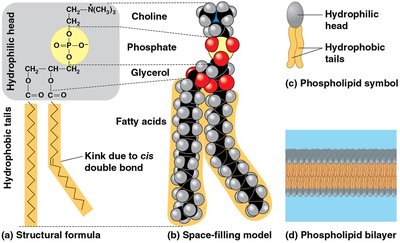
Phospholipids: Contain a glycerol backbone, two fatty acids, and a phosphate group. They are key components of cell membranes.
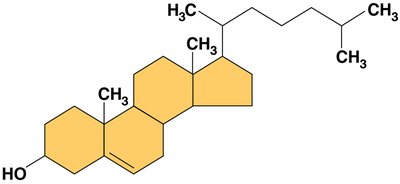
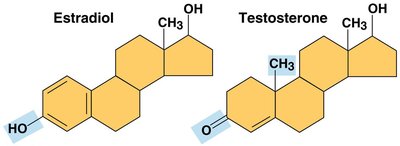
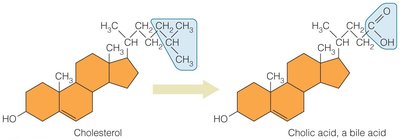
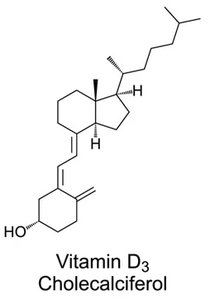
Sterols: Have a complex ring structure. Cholesterol is the most well-known sterol, serving as a precursor for vitamin D, bile acids, and steroid hormones.
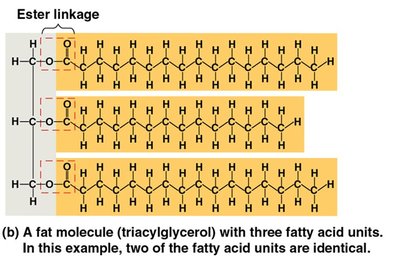
Fatty Acids: Chain Length and Saturation
Fatty acids differ by carbon chain length, degree of saturation, and shape:
Short-chain: 2–4 carbons
Medium-chain: 6–10 carbons
Long-chain: 12 or more carbons (most common in foods)
The degree of saturation refers to the presence of double bonds:
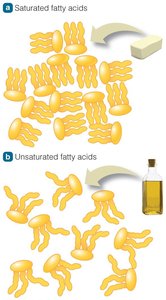
Saturated fatty acids: No double bonds; solid at room temperature; mainly from animal sources.
Unsaturated fatty acids: One or more double bonds; liquid at room temperature; mainly from plant and fish sources.
Monounsaturated fatty acids (MUFA): One double bond (e.g., olive oil).
Polyunsaturated fatty acids (PUFA): Two or more double bonds (e.g., walnuts, flaxseed).
Trans fats: Unsaturated fats chemically altered to behave like saturated fats; associated with negative health effects.
Essential Fatty Acids and Omega Classification
Omega-3 fatty acids: First double bond at the third carbon from the methyl end (e.g., alpha-linolenic acid).
Omega-6 fatty acids: First double bond at the sixth carbon from the methyl end (e.g., linoleic acid).
These essential fatty acids must be obtained from the diet and are important for inflammation regulation and cell membrane structure.
Functions of Lipids in the Body
Physiological Roles
Energy storage (9 kcal/g, more than double that of carbohydrates and proteins)
Insulation and protection of organs
Component of cell membranes (phospholipid bilayer)
Precursor for steroid hormones, bile acids, and vitamin D
Transport of fat-soluble vitamins (A, D, E, K)
Digestion, Absorption, and Transport of Lipids
Digestion Process
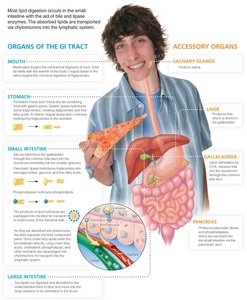
Lipid digestion begins in the mouth with lingual lipase and continues in the stomach with gastric lipase. Most digestion occurs in the small intestine, where bile acids emulsify fats, allowing pancreatic lipase to break them down into fatty acids and monoglycerides.
Absorption and Transport
Short- and medium-chain fatty acids are absorbed directly into the bloodstream.
Long-chain fatty acids are reassembled into triglycerides and packaged into chylomicrons for transport via the lymphatic system.
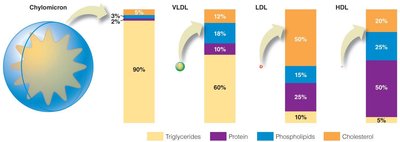
Lipoproteins (chylomicrons, VLDL, LDL, HDL) transport lipids in the blood.
Lipoprotein Types and Health Implications
Chylomicrons: Transport dietary lipids from the intestine to tissues.
VLDL (Very-Low-Density Lipoprotein): Delivers triglycerides from the liver to tissues.
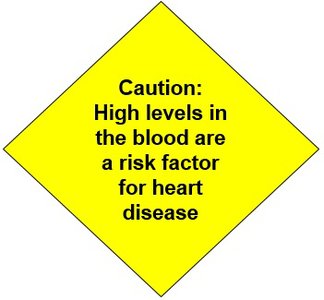
LDL (Low-Density Lipoprotein): Delivers cholesterol to cells; high levels are associated with increased heart disease risk.
HDL (High-Density Lipoprotein): Removes cholesterol from cells and returns it to the liver; high levels are protective.
Dietary Recommendations and Food Sources
Recommended Intake
Acceptable Macronutrient Distribution Range (AMDR) for fat: 20–35% of daily calories
Limit saturated fat and trans fat intake
Emphasize unsaturated fats, especially omega-3 fatty acids
The liver synthesizes all the cholesterol the body needs; dietary cholesterol intake should be moderate
Food Sources of Lipids
Good sources: Extra virgin olive oil, raw nuts and seeds, avocado, fatty fish, grass-fed meats, eggs, grass-fed dairy
Poor sources: Refined/processed vegetable oils, margarine, fried foods, hydrogenated/trans fats
Lipids and Cardiovascular Health
Atherosclerosis and Heart Disease
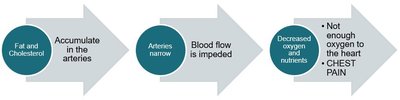
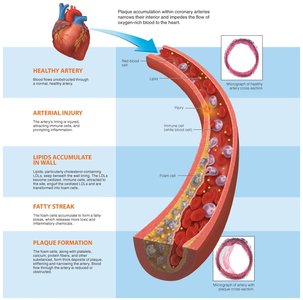
Cardiovascular disease (CVD) is the leading cause of death in adults. Atherosclerosis, the buildup of fatty plaques in arteries, is a primary cause. Risk factors include high LDL cholesterol, low HDL cholesterol, hypertension, smoking, and poor diet.
Blood Cholesterol Levels and Interpretation
Total Cholesterol (mg/dL) | Interpretation |
|---|---|
< 200 | Desirable |
200–239 | Borderline high |
≥ 240 | High |
LDL Cholesterol (mg/dL) | Interpretation |
|---|---|
< 100 | Optimal |
100–129 | Near or above optimal |
130–159 | Borderline high |
160–189 | High |
≥ 190 | Very high |
HDL Cholesterol (mg/dL) | Interpretation |
|---|---|
> 60 | Desirable |
40–60 | Adequate |
< 40 | Low |
Strategies to Lower LDL Cholesterol
Dietary Changes | Lifestyle Changes |
|---|---|
Consume less saturated fat | Lose excess body weight |
Strictly limit trans fats | Exercise more |
Consume less dietary cholesterol | Quit smoking |
Consume more foods rich in soluble fiber | |
Consume a plant-based diet |
Exercise and Smoking Cessation
Regular exercise raises HDL, lowers LDL, and reduces blood pressure and insulin resistance.
Smoking damages arteries and accelerates atherosclerosis; quitting smoking significantly reduces heart attack risk.
