 Back
BackNutrients Involved in Fluid and Electrolyte Balance: Water, Minerals, and Alcohol
Study Guide - Smart Notes
 Tailored notes based on your materials, expanded with key definitions, examples, and context.
Water and Body Fluids
Introduction to Body Fluids
Water is a fundamental component of the human body, making up a significant percentage of total body weight. The proportion of water varies based on body composition, sex, and age. Lean tissue contains more water than fat tissue, males generally have a higher percentage of body water than females, and younger individuals have more water than older adults.
Body Composition: Lean tissue contains more water than fat tissue.
Sex: Males typically have more body water than females.
Age: Younger individuals have higher water content than older adults.
Body water is divided into two main compartments:
Intracellular fluid: Fluid inside the cells, accounting for about two-thirds of total body fluid.
Extracellular fluid: Fluid outside the cells, making up about one-third of total body fluid. This includes interstitial fluid (between cells), blood, and lymph.
Functions of Water in the Body
Water serves several essential functions:
Universal Solvent: Most cellular reactions occur in water.
Body Temperature Regulation: Water has a high heat capacity, helping resist temperature changes. Sweating cools the body.
Transport: Water transports nutrients, oxygen, and other substances throughout the body.
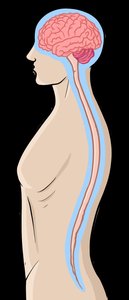
Tissue Protection: Water cushions and lubricates tissues, such as cerebral spinal fluid protecting the brain and spinal cord.
Osmosis and Fluid Balance
Osmosis
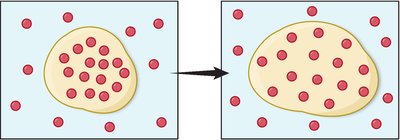
Osmosis is the movement of water across cell membranes from areas of low solute concentration to areas of high solute concentration. Water moves freely through cell membranes, and maintaining proper water and solute levels is crucial for fluid balance.
Definition: Osmosis is the diffusion of water from an area of low solute concentration to high solute concentration.
Regulation: Proper regulation of water and solute levels maintains fluid balance.


Fluid Imbalances: Overhydration and Dehydration
Imbalances in hydration can be dangerous:
Overhydration: Can cause dangerous electrolyte imbalances, water intoxication (hyponatremia), and in extreme cases, brain swelling and death.
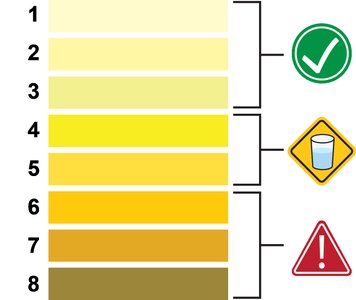
Dehydration: Water leaves cells and enters the blood, causing symptoms such as discolored urine, strong thirst, loss of appetite, and discomfort. Elderly and infants are at increased risk.
Fluid Balance Regulation
Mechanisms of Fluid Balance
Fluid intake and loss must be balanced to maintain body functions. The hypothalamus monitors blood sodium and volume to regulate thirst and fluid retention. Diuretics are chemicals that increase urine production, leading to water loss (e.g., alcohol).
Thirst: Triggered by the hypothalamus when blood sodium is high or blood volume is low.
Fluid Retention: Antidiuretic hormone (ADH) from the pituitary causes kidneys to retain water.
Fluid Loss: Occurs through urine, sweat, skin, and respiration.

Water Requirements and Beverage Choices
Water Requirements
Daily water needs depend on age, sex, environment, and activity level. The Recommended Dietary Allowance (RDA) includes water from fluids and food.
RDA (Males 19-50): 3.7 Liters
RDA (Females 19-50): 2.7 Liters
Sources: About 80% from beverages, 20% from food.
Beverage Choices
Different beverages contribute to hydration, but some may have drawbacks:
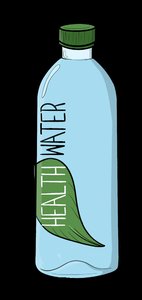
Plain Water: Best source of hydration.
Milk: High in protein and calcium; some alternatives offer similar nutrition.
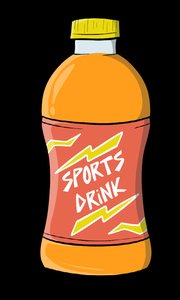
Sports Drinks: Contain sugars and electrolytes; appropriate for endurance athletes.
Specialty Waters: Often contain additives; limited health impact.
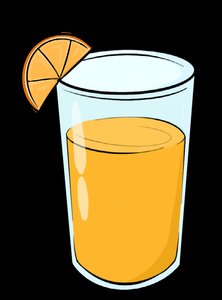
Sugary Drinks: Associated with obesity due to added sugars.
Coffee/Tea: Contains caffeine; diuretic effect is minimal.
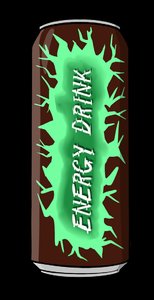
Energy Drinks: May be high in sugar and caffeine.

Introduction to Minerals
Minerals: Classification and Functions
Minerals are inorganic elements found on the periodic table and are essential nutrients. They are classified based on the amount required by the body:
Major minerals: Needed in amounts greater than 100 mg/day (e.g., sodium, potassium, calcium, phosphorus, chloride, magnesium, sulfur).
Trace minerals: Needed in smaller amounts (e.g., iron, copper, fluoride, iodide, zinc, selenium, chromium, manganese, molybdenum).
Minerals serve diverse functions, including structural roles, components of biomolecules, and as electrolytes. Electrolytes are minerals that dissolve in water to form ions, which are essential for nerve and muscle function.
Major Minerals: Sodium and Potassium
Sodium (Na)
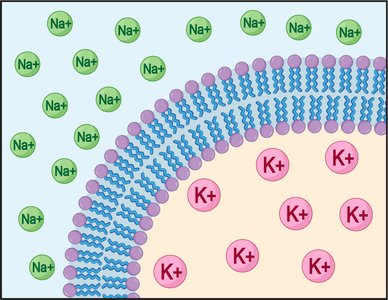
Sodium is the major extracellular electrolyte and is crucial for regulating fluid balance, nerve impulses, and muscle contractions. Excess sodium intake is associated with hypertension and cardiovascular disease.
Functions: Regulates fluid balance, nerve impulses, muscle contractions.
Food Sources: Table salt, processed foods, meats, cheese.
Deficiency: Hyponatremia, usually caused by overhydration.
Excess: Hypernatremia, hypertension, edema.
CDRR (Chronic Disease Risk Reduction): 2,300 mg/day
Potassium (K)
Potassium is the major intracellular electrolyte and is essential for nerve impulses, muscle contractions, and heart rhythm. Adequate potassium intake helps counteract the negative effects of sodium on blood pressure.
Functions: Nerve impulses, muscle contractions, heart rhythm.
Food Sources: Fruits and vegetables (bananas, spinach, cantaloupe, citrus, almonds, legumes).
Deficiency: Hypokalemia, muscle weakness, fatigue.
Excess: Hyperkalemia, irregular heartbeat.
AI (Adequate Intake): Males 19+: 3,400 mg; Females 19+: 2,600 mg
Hypertension and Minerals
Hypertension
Hypertension is defined as blood pressure greater than 130/80 mmHg and is a major risk factor for cardiovascular disease and stroke. Blood pressure is measured as systolic (heart contraction) over diastolic (heart relaxation).
Risk Factors: Family history, genetics, diet (high sodium, low potassium), obesity, physical inactivity, tobacco use.
Management: Diuretics increase urine production, lowering blood volume and aiding sodium removal.
DASH Diet
The DASH (Dietary Approaches to Stop Hypertension) diet is designed to lower blood pressure by reducing sodium and increasing potassium, magnesium, and calcium intake. It emphasizes whole grains, fruits, vegetables, low-fat dairy, seeds, nuts, legumes, and limits red meat, sweets, fats, and sodium.
Alcohol Consumption and Metabolism
Alcohol Consumption
Alcohol (ethanol) is produced by fermentation of carbohydrates. Moderate consumption is defined as up to two drinks per day for males and one drink per day for females. Binge drinking is consuming large quantities in a short time, posing health and safety risks.
Standard Drink: 1.5 oz liquor (~40% alcohol), 5 oz wine (~12% alcohol), 12 oz beer (~5% alcohol).
Alcohol Metabolism
Alcohol is absorbed in the stomach and small intestine, then metabolized primarily in the liver. The main steps are:
Ethanol is converted to acetaldehyde by alcohol dehydrogenase (ADH).
Acetaldehyde is converted to acetate by acetaldehyde dehydrogenase (ALDH).
Acetate can be used for energy by cells.
Blood Alcohol Content (BAC)
BAC is the amount of alcohol in the blood, reported as a percentage. Factors affecting BAC include body size, composition, sex, and stomach contents.
Short- and Long-Term Effects of Alcohol
Short-Term Effects
Alcohol is a depressant, slowing activity in the central nervous system. Effects depend on BAC and include relaxation, impaired judgment, sleep disturbance, movement impairment, and risk of alcohol poisoning.
Long-Term Effects
Excessive long-term alcohol use leads to nutritional deficiencies, heart damage, liver disease (fatty liver, alcoholic hepatitis, cirrhosis), and increased risk of cancer.
Pregnancy and Fetal Alcohol Syndrome
Alcohol is a teratogen and poses significant risks during pregnancy. Fetal Alcohol Spectrum Disorder (FASD) includes neurological, physical, and growth abnormalities. There is no safe amount of alcohol during pregnancy.
Summary Table: Major Minerals
Mineral | Type | Main Functions | Food Sources |
|---|---|---|---|
Sodium | Major | Fluid balance, nerve impulses | Table salt, processed foods |
Potassium | Major | Nerve impulses, muscle contractions | Fruits, vegetables |
Calcium | Major | Bone health, muscle function | Dairy, leafy greens |
Magnesium | Major | Enzyme function, muscle contraction | Nuts, whole grains |
Iron | Trace | Oxygen transport | Meat, legumes |
Additional info: Some content was expanded for clarity and completeness based on standard academic knowledge in nutrition.
