 Back
BackNutrition Guidelines and Food Labeling: Applying the Science of Nutrition
Study Guide - Smart Notes
 Tailored notes based on your materials, expanded with key definitions, examples, and context.
Nutrition Guidelines: Applying the Science of Nutrition
Introduction to Nutrition Recommendations
Nutrition recommendations are essential for guiding individuals and populations toward optimal health. In Canada, these recommendations are structured in two main approaches: nutrient-based and food-based. Both approaches are designed to prevent deficiencies, reduce chronic disease risk, and promote overall well-being.
Nutrient-Based Recommendations: Focus on the specific quantities of individual nutrients required daily (e.g., vitamin C, protein).
Food-Based Recommendations: Emphasize dietary patterns and the types and amounts of foods needed for adequacy, such as those outlined in Canada’s Food Guide (CFG).
Dietary Reference Intakes (DRIs)
Overview of DRIs
Dietary Reference Intakes (DRIs) are a set of reference values used for planning and assessing the diets of healthy people. These values vary by life stage and sex and have replaced the older Recommended Nutrient Intakes (RNIs) in Canada.
Three Main Aims of DRIs:
Prevent nutrient deficiencies
Reduce risk of chronic diseases
Promote good health
Units of Measurement: Nutrient recommendations are listed in scientific units such as grams (g), milligrams (mg), or micrograms (µg) per day.
Types of DRI Values
Estimated Average Requirement (EAR): The average daily nutrient intake level estimated to meet the requirement of half the healthy individuals in a particular life stage and gender group.
Recommended Dietary Allowance (RDA): The average daily intake level sufficient to meet the nutrient requirement of nearly all (97–98%) healthy individuals in a group.
Adequate Intake (AI): Established when evidence is insufficient for an RDA; a recommended average daily intake level based on observed or experimentally determined estimates.
Tolerable Upper Intake Level (UL): The maximum daily intake unlikely to cause adverse health effects.
Energy Recommendations: Acceptable Macronutrient Distribution Range (AMDR)
The AMDR defines the range of intake for each macronutrient that is associated with reduced risk of chronic disease while providing adequate intakes of essential nutrients.
Carbohydrate: 45–65% of total energy intake
Protein: 10–35% of total energy intake
Fat: 20–35% of total energy intake
Canada’s Food Guide: Evolution and Key Messages
History and Revision of Canada’s Food Guide
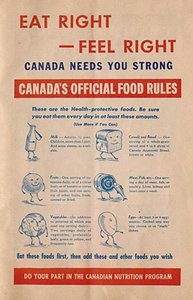
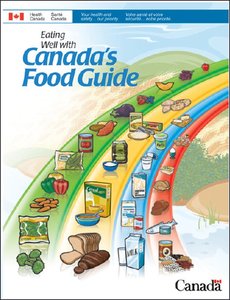
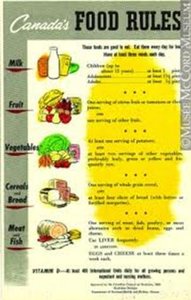
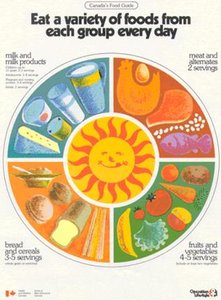
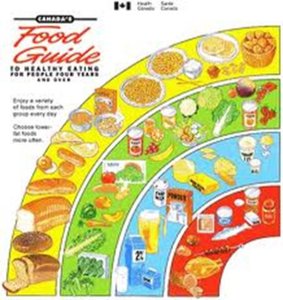
Canada’s Food Guide has evolved since its first release in 1942, reflecting advances in nutrition science and changes in the Canadian food environment. Major revisions have occurred to address new research, consumer needs, and public health priorities.
First Canada’s Food Guide: Introduced in 1942 to address wartime nutrition concerns.
Subsequent Revisions: Updated in 1944, 1961, 1992, 2007, and 2019 to reflect new evidence and dietary patterns.
Canada’s Food Guide 2019: Key Messages
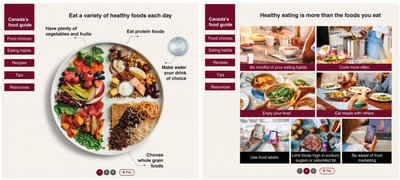
The 2019 revision of Canada’s Food Guide emphasizes a holistic approach to healthy eating, focusing on food quality, variety, and eating habits rather than specific servings.
Eat a variety of healthy foods each day
Have plenty of vegetables and fruits (about 50% of the plate)
Eat protein foods (about 25% of the plate), with an emphasis on plant-based sources
Choose whole grain foods (about 25% of the plate)
Make water your drink of choice
Healthy Food Choices and Eating Habits
Choose foods with healthy fats instead of saturated fat
Limit highly processed foods; eat them less often and in small amounts
Prepare meals and snacks with little to no added sodium, sugars, or saturated fat
Be mindful of your eating habits, cook more often, enjoy your food, and eat meals with others
Plan meals, reduce food waste, and consider environmental impact
Criticisms and Improvements in the Food Guide
2007 Guide: Criticized for lack of emphasis on whole grains, potential industry influence, and confusing serving sizes
2019 Guide: Greater focus on whole grains, plant-based proteins, healthy fats, and practical plate layout; merges Milk and Alternatives into Protein Foods
Food Guides for Diverse Populations
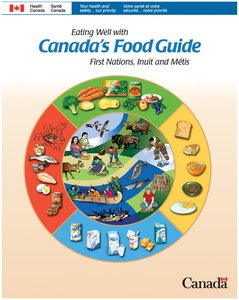
Canada’s Food Guide for First Nations, Inuit, and Métis: Developed to address traditional foods and cultural needs of Indigenous peoples.
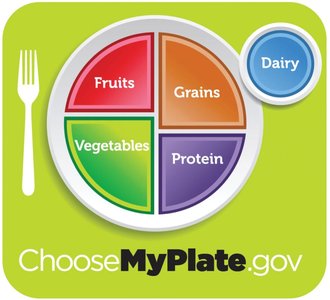
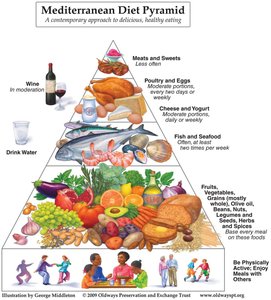
Other National Food Guides: Examples include the USDA MyPlate (USA) and the Mediterranean Diet Pyramid, each reflecting different cultural and dietary priorities.
Nutrition Tools: Assessing Nutritional Health
Food Labels in Canada
Food labels provide essential information to help consumers make informed choices. In Canada, food labels must include the product name, weight, expiration date (if perishable), manufacturer information, ingredient list, and a Nutrition Facts table.
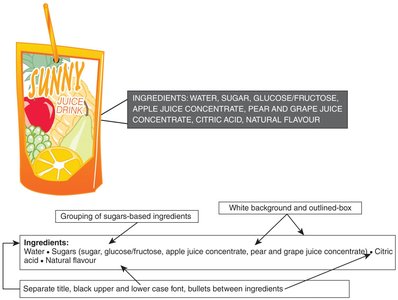
Ingredient List: All ingredients must be listed in descending order by weight. Food allergens, sulfites, and gluten must be declared. Sugars-based ingredients are grouped together.
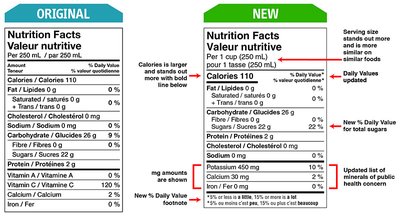
Nutrition Facts Table: Provides information on serving size, calories, and % Daily Value (%DV) for core nutrients.
Core and Optional Nutrients on Food Labels
Core Nutrients (mandatory): Fat, saturated fat, trans fat, cholesterol, sodium, carbohydrate, fibre, sugars, protein, potassium, calcium, iron
Optional Nutrients: Folate, magnesium, niacin, phosphorous, riboflavin, selenium, thiamine, vitamin B12, vitamin B6, vitamin D, vitamin E, zinc
Foods Exempt from Labeling
Fresh vegetables and fruit
Raw meat and poultry (except ground)
Raw seafood
One-bite confections, foods for immediate consumption, and foods prepared in-store
Beverages with alcohol content over 0.5%
Foods sold at farmers' markets, fairs, and similar venues
Products with very few nutrients (e.g., coffee, tea, vinegar, spices)
Understanding % Daily Value (%DV)
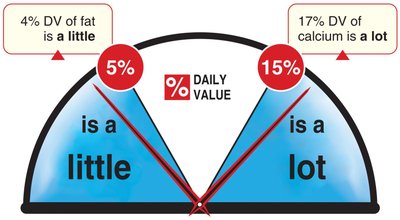
The %DV helps consumers compare products and understand the nutrient content relative to daily needs. A %DV of 5% or less is considered low, while 15% or more is considered high.
Serving Sizes and Label Changes
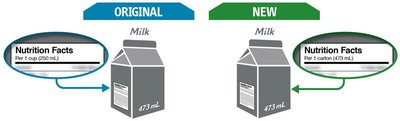
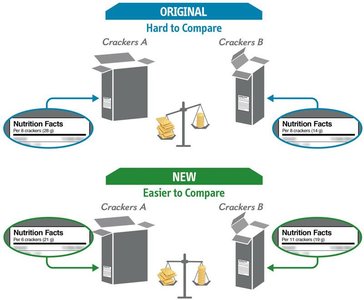
Recent changes to food labeling in Canada have standardized serving sizes to make product comparisons easier and updated the list of nutrients and %DV values.
Sugars on Food Labels
Includes all forms of sugar: white, brown, raw, honey, syrups, fruit juice concentrates, and more.
Grouping sugars helps consumers quickly identify added sugars and compare their quantity to other ingredients.

Food Label Claims
Types of Claims
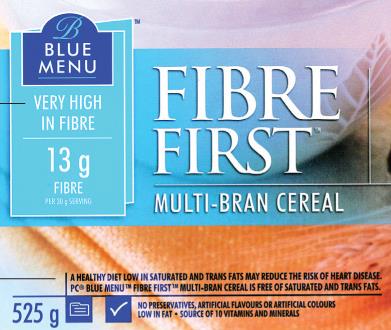
Nutrient Content Claims: Describe the amount of a nutrient in a food (e.g., "high fibre," "low fat").
Nutrient Function (Health) Claims: Describe the role of a nutrient in normal body function (e.g., "A dietary antioxidant").
Therapeutic and Disease-Risk Reduction Claims: Relate to the reduction of disease risk or therapeutic effects (e.g., "A healthy diet low in saturated and trans fats may reduce the risk of heart disease").
Common Descriptors on Food Labels
Descriptor | Definition |
|---|---|
Free | No or trivial amount of a nutrient (e.g., "sugar free" < 0.5 g/serving) |
Low | Low amount of a nutrient (e.g., "low fat" ≤ 3 g/serving) |
Lean/Extra Lean | Fat content in meats ("lean" < 10 g/100 g; "extra lean" < 7.5 g/100 g) |
Source of | >5% DV of a nutrient |
Good Source of | >15% DV (or >30% for vitamin C) |
Excellent Source of | >25% DV (or >50% for vitamin C) |
Reduced | 25% less of a nutrient than reference product |
Light | Reduced in a nutrient or describes texture/colour (must be explained) |
Examples of Health Claims
Claim | Criteria |
|---|---|
Calcium and osteoporosis | ≥200 mg calcium/serving |
Sodium and high blood pressure | <140 mg sodium/serving, >350 mg potassium/serving |
Saturated/trans fat and heart disease | Low in saturated and trans fats |
Fruits/vegetables and cancer | Rich in a variety of vegetables and fruit |
Plant sterols and cholesterol | ≥2 g plant sterols/day |
Natural Health Products Labelling
Regulation and Label Requirements
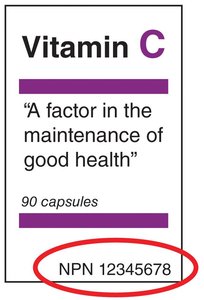
Natural health products, including vitamin and mineral supplements, herbal remedies, and traditional medicines, are regulated by Health Canada. Labels must include the product name, licence holder, Natural Product Number (NPN) or Homeopathic Number (DIN-HM), ingredients, dosage form, recommended use, and risk information.
Assessing Nutritional Health
Methods of Dietary Assessment
24-hour dietary recall
Food diary or intake record
Food frequency questionnaire
Diet history
Challenges include recall bias, under- or overestimation of portions, differences between weekday and weekend intake, and lack of commitment to accurate recording.
Additional Assessment Tools
Anthropometric measurements (e.g., height, weight)
Medical history and physical examination
Laboratory measurements (e.g., blood tests)
Analyzing Nutrient Intake
Canada’s Food Guide 2019
Food labels
Nutrient content tables
Computer programs for dietary analysis
