 Back
Nutrition: Linking Food and Health – Mini-Textbook Study Notes
Study Guide - Smart Notes
 Tailored notes based on your materials, expanded with key definitions, examples, and context.
Nutrition: Linking Food and Health
What is Nutrition?
Nutrition is the scientific study of how food and its components affect health, growth, and maintenance of life. It is a complex and evolving science, integrating chemistry, biology, and social factors to understand food choices and their impact on well-being.
Nutrition is a science that studies the relationship between food and health.
Food is a complex mix of chemical compounds.
The human body is a complex biological system.
We choose food for many reasons, including taste, culture, cost, and convenience.
Nutrition plays a role in major diseases such as heart disease, cancer, stroke, and diabetes.
It also affects general well-being, energy levels, mood, and strength.
Choosing What We Eat
Food choices are influenced by a variety of factors, both internal and external. A nutritious diet maximizes health and meets nutritional needs while considering social, cultural, and economic factors.
Factors influencing food choices: Social, cost, culture, habit, taste preference, trends, emotion, time, convenience, and social influence.
Goal: Meet nutritional needs in light of all other factors.
Ultra-processed fast food is associated with health risks, but convenience, emotion, and taste preference often drive consumption.
Nutrients
Defining Nutrients
Nutrients are chemical substances found in food that are required for growth, maintenance, and physiological functions. There are six classes of essential nutrients, which must be obtained from food.
Macronutrients: Needed in large amounts; provide energy through cellular metabolism. (Carbohydrates, fats, proteins)
Micronutrients: Needed in small amounts; aid in cellular and physiological functions. (Vitamins, minerals)
Water: Required for virtually all physiological functions.
Classification Table
Type | Amount Needed | Function | Examples |
|---|---|---|---|
Macronutrients | Large | Energy, structure | Carbohydrates, Fats, Proteins |
Micronutrients | Small | Regulation, structure | Vitamins, Minerals |
Water | Large | Physiological functions | Water |
Nutrients and Disease
A nutritious diet meets the requirements of all six nutrient categories without excess. Imbalances can lead to acute or chronic health problems.
High intake: Overall calories, sugar, sodium, saturated fats.
Low intake: Fiber, vitamin D, calcium, vitamin E, potassium.
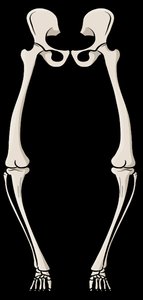
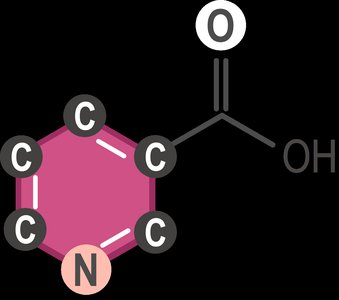
Imbalances can cause diseases: Obesity (caloric excess), diabetes (sugar dysregulation), cardiovascular disease (high saturated fats, low fiber), scurvy (vitamin C deficiency), pellagra (vitamin B3 deficiency), rickets (vitamin D deficiency).
Macronutrients
Carbohydrates, Lipids, & Protein
Macronutrients are required in large amounts and provide energy. Each class has unique chemical compositions and functions.
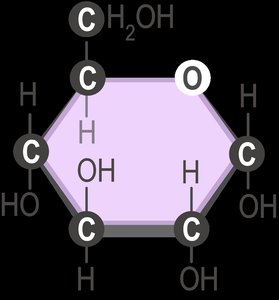
Carbohydrates: Composed of carbon (C), hydrogen (H), and oxygen (O). Chains of simple sugars. Main source of cellular energy. Found in whole grains, fruits, and vegetables.
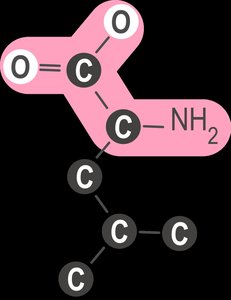
Proteins: Composed of C, H, O, and nitrogen (N), sometimes sulfur (S). Chains of amino acids. Used for building blocks and energy. Found in meats, dairy, seeds, nuts, legumes.
Fats (Lipids): Composed of C, H, O. Chains of carbon and hydrogen. Insoluble in water. Used for energy in low-intensity exercise and long-term storage. Found in animal fats, butter, oils.

Energy in Food
Energy released from food is measured in Calories (kcal). Different macronutrients provide different amounts of energy per gram.
Carbohydrates: 4 Calories per gram
Fats: 9 Calories per gram
Proteins: 4 Calories per gram
Alcohol: 7 Calories per gram (not an essential nutrient)
Example Calculation Table
Nutrient | Grams | Calories per gram | Total Calories |
|---|---|---|---|
Carbohydrates | 10 | 4 | 40 |
Fats | 8 | 9 | 72 |
Proteins | 3 | 4 | 12 |
Total | 124 |
Micronutrients
Vitamins & Minerals
Micronutrients are required in small amounts and do not provide energy. They are essential for regulation and structure in the body.
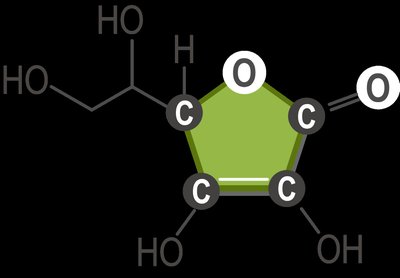
Vitamins: Organic compounds (13 total). Functions include working with enzymes, signaling molecules, and antioxidants. Water-soluble (B, C) are not stored; fat-soluble (A, D, E, K) are stored and can be toxic in excess.
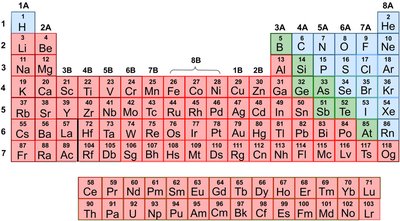
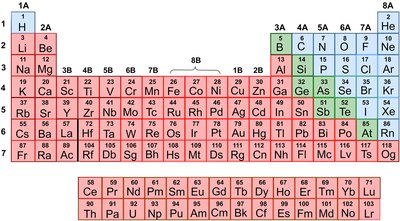
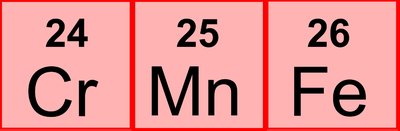
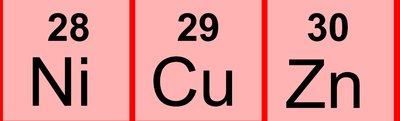
Minerals: Chemical elements (16 total). Functions include maintaining cellular ion balance, working with enzymes, and structural roles (e.g., bone and teeth).
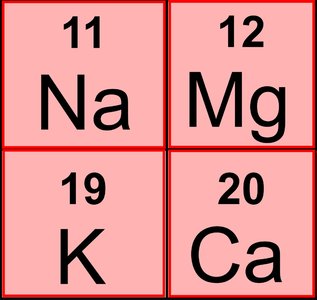
Major minerals: >100 mg/day (e.g., calcium, sodium, potassium, magnesium).
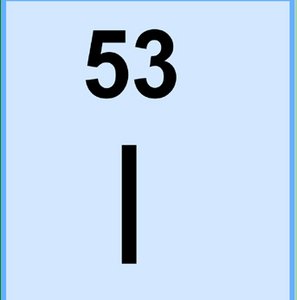
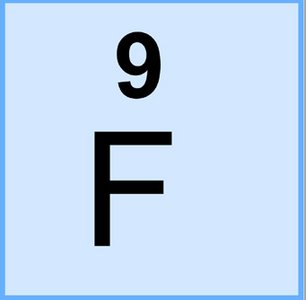
Trace minerals: <100 mg/day (e.g., iron, fluoride, iodide, molybdenum).
Fiber and Phytochemicals
Non-nutritive Foods
Non-nutritive foods provide no calories, vitamins, or minerals. Fiber and phytochemicals are plant-derived compounds that may benefit health but are not essential nutrients.
Fiber: Plant material (carbohydrates) that cannot be digested. Adds bulk to feces and moves more easily through the digestive tract. Associated with reduced inflammation and cancer risk.
Soluble fiber: Dissolves in water and forms a gel.
Insoluble fiber: Does not dissolve in water.
Phytochemicals: Plant compounds that may be beneficial but are not essential. Some act as antioxidants (polyphenols, carotenoids, flavonoids).

Nutrition as a Science
The Scientific Method
Nutrition research uses the scientific method to study questions and test hypotheses. Multiple studies are needed to reach consensus.
Steps: Make observations, create a hypothesis, design and conduct a study, analyze data, draw conclusions, publish findings, refine hypothesis.
Data is usually numerical and analyzed using statistics.
Types of Studies
Different types of studies are used in nutrition, each with strengths and limitations.
Clinical Trials: Intervention/treatment given to groups of patients. Can establish causal relationships. Gold standard: randomized, double-blind, placebo-controlled.
Laboratory Studies: Highly controlled, often on animals. Useful for preliminary information.
Observational Studies: Can show correlation, not cause. Includes case studies, case-control studies, and epidemiological studies (large populations, long-term).
Finding Credible Nutrition Information
Understanding Qualifications
Not all "nutritionists" are equally qualified. Registered Dietitian Nutritionists (RDN) have accredited degrees and certification, and may perform medical nutrition counseling. Other professionals may have varying levels of training.
Qualification Table
Profession | Medical Nutrition Counseling | Knowledgeable | Accredited Degree |
|---|---|---|---|
Medical Doctor | ✓ | ✓ | ✓ |
Registered Dietitian Nutritionist | ✓ | ✓ | ✓ |
Athletic Trainer | ✓ |
Credible Information vs Red Flags
Reliable nutrition information is published in peer-reviewed journals, based on studies with humans, and comes from reputable organizations. Red flags include promotion of unproven medical information, conflicts of interest, quick fixes, miracle cures, and conspiracy theories.
Green Flags: Peer-reviewed, human studies, similar health profiles, confirms other results, reputable sources.
Red Flags: Selling a product, conflicts of interest, quick fixes, miracle cures, one product for many ailments, conspiracy theories.
Key Equations
Energy Calculation
To calculate total Calories in food:
Calorie Definition
Practice Example: Nutrition Facts Label
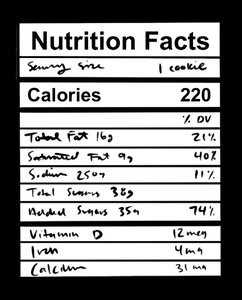
This nutrition label provides information about the energy and nutrient content of a food item, which is essential for making informed dietary choices.
