 Back
BackNutrition Myths and Fad Diets: Evidence-Based Perspectives
Study Guide - Smart Notes
 Tailored notes based on your materials, expanded with key definitions, examples, and context.
Nutrition Myths and Fad Diets
Introduction
This chapter addresses common nutrition myths and the science behind fad diets. It aims to equip students with the ability to critically evaluate popular dietary claims, understand the evidence-based guidelines for healthy eating, and recognize the potential risks and benefits of various diet trends.
Debunking Common Nutrition Myths
Myth: Whole Wheat Bread Has Fewer Calories Than White Bread
Fact: Whole wheat bread and white bread have similar calorie content, but whole wheat bread contains more protein, fiber, vitamins, and minerals.
Example: Whole wheat bread (81.5 kcal, 3.9g protein, 1.9g fiber) vs. white bread (73 kcal, 2.5g protein, 0.6g fiber, added sugar).

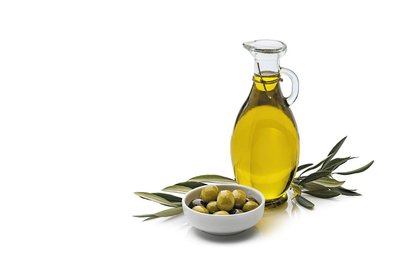
Myth: Olive Oil Is Healthy and Can Be Consumed in Unlimited Amounts
Fact: Olive oil is a healthy fat source but is calorie-dense (about 120 kcal per tablespoon). Excessive intake can lead to weight gain.
Key Point: Moderation is essential, even with healthy fats.
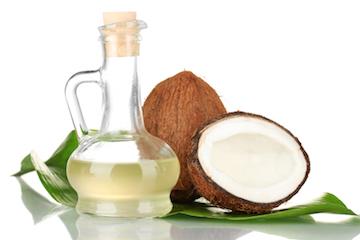
Myth: Coconut Oil Is Heart Healthy
Fact: Coconut oil increases total cholesterol, LDL, and HDL cholesterol. Other sources of polyunsaturated (PUFAs) and monounsaturated fats (MUFAs) are preferred for heart health.
Key Point: Choose oils that lower LDL cholesterol for cardiovascular benefits.
Myth: Skipping Breakfast Makes You Eat Less Overall
Fact: Skipping breakfast disrupts metabolism, increases risk of obesity and cardiovascular disease, and is associated with overeating later in the day.
Key Point: Breakfast supports energy levels and focus.

Fact: Reduced Sleep Can Make You Gain Weight
Explanation: Sleep deprivation alters appetite-regulating hormones, increasing hunger and cravings for high-calorie foods, leading to increased energy intake.
Recommendation: Adults should aim for 7–9 hours of sleep per night.

Myth: Detox Diets Are Needed to Cleanse the Body
Fact: Juice diets or fasts may cause temporary weight loss (mainly water), but the body naturally detoxifies via the liver.
Key Point: No scientific evidence supports the need for detox diets in healthy individuals.

Myth: Parents Should Force Children to Clean Their Plate
Fact: Forcing children to eat can disrupt their natural hunger and satiety cues, increasing risk of emotional eating and poor eating habits in adulthood.
Key Point: Children should be allowed to stop eating when full; modeling healthy eating is more effective.
Myth: Weightlifting Causes Women to Bulk Up
Fact: Women have lower testosterone levels, making significant muscle gain difficult. Weightlifting is beneficial for metabolism, injury prevention, bone health, and mental well-being.
Key Point: Resistance training is recommended for women for overall health.

Myth: Anyone Can Benefit from a Gluten-Free Diet
Fact: Gluten-free diets are only necessary for those with celiac disease, gluten allergy, or related medical conditions. Gluten-free products are often more expensive and may lead to nutritional deficiencies if not properly managed.
Key Point: Unnecessary gluten avoidance can result in a less varied, lower-quality diet.

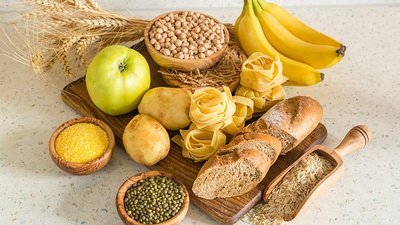
Myth: Carbohydrates Are Fattening and Should Be Drastically Reduced for Weight Loss
Fact: Excess calories from any source, not just carbohydrates, lead to weight gain. The type of carbohydrate matters; very low-carb diets can cause fatigue, cravings, and other side effects.
Key Point: Carbohydrate intake should be individualized and discussed with a healthcare professional.
Fact: Meal Timing Affects Metabolic Health
Explanation: Eating earlier in the day is associated with better lipid profiles, reduced insulin resistance, and lower body fat. This supports the concept of chrononutrition (circadian-aligned eating).
Key Point: More research is needed to define optimal meal timing for different populations.
Myth: Frozen Foods Contain Fewer Nutrients Than Fresh Foods
Fact: Freezing preserves nutrient content; the quality at the time of freezing is crucial. Frozen fruits and vegetables can be as nutritious as fresh ones.
Key Point: Freeze foods promptly to retain nutrients.

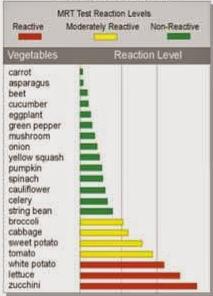
Myth: Food Sensitivity Tests Help with Weight Loss
Fact: Commercial food sensitivity tests are not validated for weight loss. They may lead to unnecessary food avoidance and nutrient deficiencies.
Key Point: Food intolerance is linked to digestive symptoms, not weight gain.
Myth: Eating Fruits After a Meal Disrupts Digestion
Fact: Eating fruit after a meal does not cause fermentation or rotting in the stomach. Gastric acid prevents bacterial growth, and slower digestion can increase satiety.
Key Point: Fruits provide nutrients regardless of timing.
Myth: Exercise Allows Unlimited Eating
Fact: Caloric expenditure from exercise can be easily offset by overeating. For example, 1 hour of walking burns about 300 kcal, which can be quickly replaced by a small snack.
Key Point: Weight management requires balancing energy intake and expenditure.

Fad Diets: Characteristics, Benefits, and Drawbacks
Understanding Fad Diets
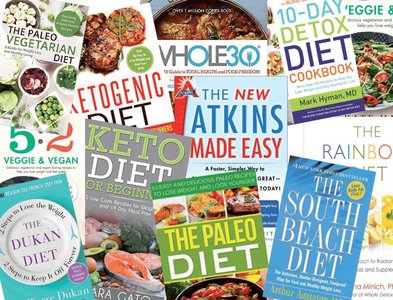
Fad diets are popularized as quick solutions for weight management but often lack scientific support and may not be sustainable or nutritionally adequate.
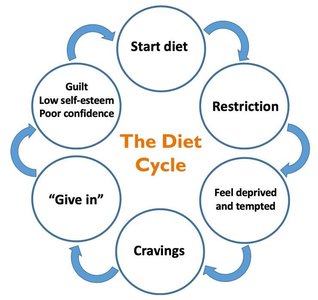
The Diet Cycle
Explanation: Fad diets often lead to a cycle of restriction, cravings, giving in, and guilt, which undermines long-term success.
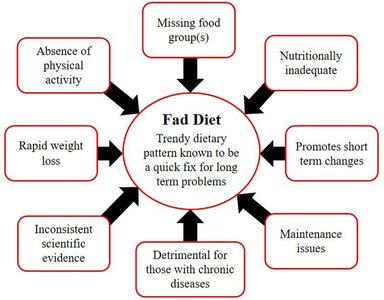
Common Features of Fad Diets
Rapid weight loss claims
Elimination of entire food groups
Nutritional inadequacy
Short-term results, long-term maintenance issues
Potential health risks, especially for those with chronic diseases
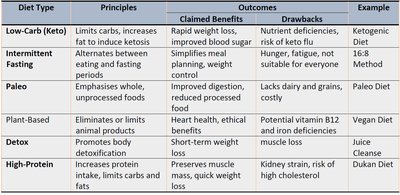
Comparison of Popular Diets
Diet Type | Principles | Claimed Benefits | Drawbacks | Example |
|---|---|---|---|---|
Low-Carb (Keto) | Limits carbs, increases fat to induce ketosis | Rapid weight loss, improved blood sugar | Nutrient deficiencies, risk of keto flu | Ketogenic Diet |
Intermittent Fasting | Alternates between eating and fasting periods | Simplifies meal planning, weight control | Hunger, fatigue, not suitable for everyone | 16:8 Method |
Paleo | Emphasizes whole, unprocessed foods | Improved digestion, reduced processed food | Lacks dairy and grains, costly | Paleo Diet |
Plant-Based | Eliminates or limits animal products | Heart health, ethical benefits | Potential vitamin B12 and iron deficiencies | Vegan Diet |
Detox | Promotes body detoxification | Short-term weight loss | Muscle loss | Juice Cleanse |
High-Protein | Increases protein intake, limits carbs and fats | Preserves muscle mass, quick weight loss | Kidney strain, risk of high cholesterol | Dukan Diet |
Popular Diets: Evidence and Concerns
Some diets (e.g., intermittent fasting, ketogenic) show short-term metabolic benefits.
No single diet is superior for long-term health or weight loss; safety concerns exist for some diets over time.
Conclusion: Evidence-Based Dietary Guidance
There is no universally 'best' diet; the optimal diet is one that is sustainable, meets nutritional needs, and fits individual preferences and lifestyle.
Long-term success requires realistic goals, lifestyle changes (including physical activity and stress management), and addressing emotional eating patterns.
