 Back
BackThe Gastrointestinal System: Digestion, Absorption, and Disorders
Study Guide - Smart Notes
 Tailored notes based on your materials, expanded with key definitions, examples, and context.
The Gastrointestinal System
Overview of the Gastrointestinal Tract (GIT)
The gastrointestinal system is responsible for the digestion and absorption of nutrients, as well as the excretion of waste products. It consists of a series of organs arranged as a long tube, with accessory organs that assist in digestion.
Major Organs: Mouth, pharynx, esophagus, stomach, small intestine, large intestine, rectum
Accessory Organs: Salivary glands, liver, gallbladder, pancreas
Sphincters: Muscular valves that control the passage of material between organs
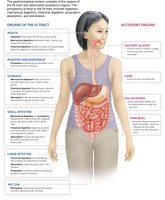
Functions of the GIT
Digestion: Breakdown of food into smaller components via mechanical and chemical methods
Absorption: Uptake of nutrients into the circulatory system
Fermentation: Gut microbiota break down soluble fibers
Excretion: Removal of waste products
Digestion: Physical and Chemical Processes
The Mouth
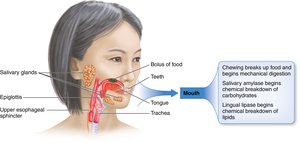
Digestion begins in the mouth, where mechanical and chemical processes start breaking down food.
Chewing: Mechanical digestion that breaks food into smaller pieces
Salivary Amylase: Enzyme that begins carbohydrate digestion
Lingual Lipase: Enzyme that begins lipid digestion
Pharynx and Esophagus
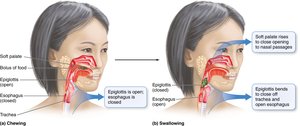
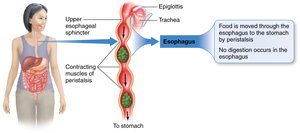
Food travels from the mouth to the pharynx and then to the esophagus, which transports food to the stomach.
Epiglottis: Covers the trachea during swallowing
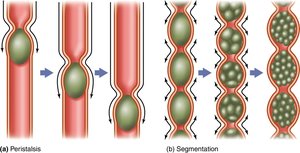
Peristalsis: Muscular contractions that move food through the GI tract
Gastroesophageal Sphincter: Separates esophagus from stomach
Stomach
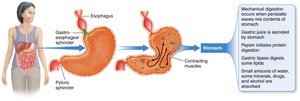
The stomach mixes, digests, and stores food, using both mechanical and chemical digestion.
Mechanical Digestion: Mixing food with gastric juice to form chyme
Gastric Juice: Contains hydrochloric acid (HCL), intrinsic factor, pepsin, and gastric lipase
Minimal Absorption: Alcohol and some drugs
Small Intestine
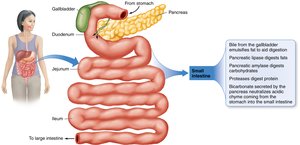
The small intestine is the primary site for digestion and absorption.
Enzymes: Secreted from pancreas and small intestine
Bile: From gallbladder, emulsifies fats
Mechanical Digestion: Segmentation and peristalsis
Absorption: Carbohydrates, fats, proteins, vitamins, minerals, and water
Large Intestine
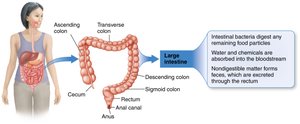
The large intestine absorbs water and some nutrients, stores material prior to elimination, and hosts bacterial fermentation.
Absorption: Water and some nutrients
Bacterial Fermentation: Fiber breakdown
Rectum: Storage of waste
Actions of the GIT
Mechanical Digestion
Mechanical digestion involves mixing and moving food throughout the GIT, controlled by sphincters.
Peristalsis: Wavelike contractions propelling food
Segmentation: Rhythmic contractions breaking food into smaller pieces
Chemical Digestion
Chemical digestion uses enzymes and stomach acid to break down food.
Enzymes: Proteins that speed up chemical reactions
Acid-Base Conditions: pH affects enzyme activity
Substrate Specificity: Enzymes act on specific bonds
Regulation of Digestion
Digestion is regulated by the nervous system and hormones.
Nervous System: Relays messages between GIT and brain
Hormones: Control release of digestive enzymes and juices
Key Hormones: Ghrelin (stimulates hunger), Cholecystokinin (CCK, satiety), Leptin (satiety)
Absorption
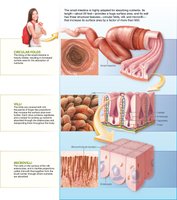
Absorption is the movement of nutrients across cell membranes into circulation. Most occurs in the small intestine, which is highly specialized for this function.
Enterocytes: Cells lining the villi
Water, drugs, alcohol: Absorbed in mouth and stomach
Fermentation products, sodium, potassium, water: Absorbed in large intestine
Absorptive Mechanisms
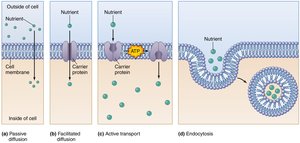
Nutrients are absorbed by several mechanisms:
Passive Diffusion: No energy, high to low concentration
Facilitated Diffusion: No energy, uses protein carrier
Active Transport: Requires energy, low to high concentration, uses protein carrier
Endocytosis: Cell engulfs nutrient
Gut Microbiome
Role of the Gut Microbiome
The gut microbiome consists of beneficial bacteria, fungi, and other microbes that populate the GIT.
Functions: Aid digestion, synthesize vitamins, inhibit harmful microbes, regulate appetite and metabolism, stimulate immune system
Probiotics, Prebiotics, and Synbiotics
Probiotics: Live microorganisms that improve or restore gut microbiota (e.g., yogurt, kefir, kimchi)
Prebiotics: Dietary components that enhance growth of beneficial microbes (e.g., inulin, resistant starch)
Synbiotics: Combination of probiotics and prebiotics (e.g., yogurt with bananas)
Disorders of the GIT
Heartburn and GERD
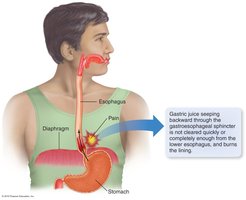
Heartburn is caused by hydrochloric acid reflux into the esophagus due to a weakened lower esophageal sphincter.
Symptoms: Pain behind sternum
Aggravating Factors: Coffee, alcohol, nicotine
Treatment: Smaller meals, avoid lying down after eating, medications
GERD: Chronic, persistent heartburn
Ulcers
Ulcers are caused by H. pylori degrading the protective layer of the stomach or duodenum.
Symptoms: Pain 1-3 hours after meal
Treatment: Medication to destroy microorganism
Diarrhea
Symptoms: Frequent, watery stools
Causes: Food intolerances, infection, stress, bowel disorders, lack of fiber
Treatment: Specific to cause; risk of dehydration
Constipation
Symptoms: Infrequent, painful, hard bowel movements
Causes: Lack of fiber, other factors
Treatment: High fiber diet, fluids, exercise
Complication: Hemorrhoids
Leaky Gut
Causes: Degradation of gut microbiome (antibiotics, processed foods, alcohol, stress)
Risks: Linked to GI disorders, chronic diseases
Treatment: Diet high in pre- and probiotics
Irritable Bowel Syndrome (IBS)
Symptoms: Abdominal cramps, bloating, diarrhea or constipation
Prevalence: More common in women
Treatment: FODMAPs diet
Celiac Disease
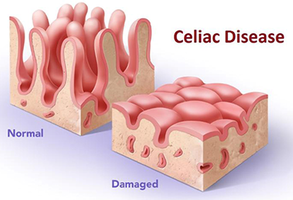
Celiac disease is an autoimmune disorder causing complete intolerance for gluten, damaging the small intestine and leading to poor absorption of nutrients.
Symptoms: Poor absorption, GI distress
Treatment: Gluten-free diet
Summary Table: Major Organs and Functions of the GIT
Organ | Main Function | Key Enzymes/Secretions |
|---|---|---|
Mouth | Mechanical and chemical digestion | Salivary amylase, lingual lipase |
Pharynx/Esophagus | Transport food | None |
Stomach | Mixes, digests, stores food | HCL, pepsin, gastric lipase, intrinsic factor |
Small Intestine | Primary site of digestion and absorption | Pancreatic enzymes, bile |
Large Intestine | Absorbs water, stores waste, bacterial fermentation | None |
Accessory Organs | Assist digestion | Saliva, bile, digestive enzymes, bicarbonate |
Key Equations and Concepts
Absorption Mechanisms:
Enzyme Activity: Dependent on pH, substrate, and presence of co-enzymes
Conclusion
Understanding the structure and function of the gastrointestinal system is essential for comprehending how nutrients are digested, absorbed, and utilized by the body, as well as how disorders can impact health. Additional info: Academic context was added to clarify mechanisms, regulatory hormones, and absorption pathways.
