 Back
BackThe Science of Nutrition: Linking Food, Function, and Health
Study Guide - Smart Notes
 Tailored notes based on your materials, expanded with key definitions, examples, and context.
The Science of Nutrition: Linking Food, Function, and Health
Introduction to Nutrition Science
Nutrition science explores the relationship between food, its nutrients, and their impact on human health, function, and disease prevention. Understanding nutrition is essential for making informed dietary choices that support overall wellness and reduce the risk of chronic diseases.
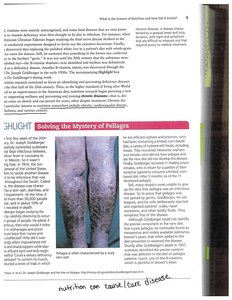
What is the Science of Nutrition and How Did It Evolve?
The science of nutrition is the study of food and how it nourishes the body and influences health. It has evolved from focusing on nutrient deficiencies to understanding the role of diet in chronic diseases. Early nutrition research identified essential nutrients and their deficiency diseases, such as scurvy and pellagra. Modern nutrition science now also investigates the role of diet in preventing and managing chronic illnesses like heart disease and diabetes.
Nutrition: The science that studies food and how food nourishes our bodies and influences our health.
Historical context: Early nutrition research solved deficiency diseases; current research focuses on chronic disease prevention.
Example: Pellagra was once a mysterious disease until it was linked to niacin (vitamin B3) deficiency.
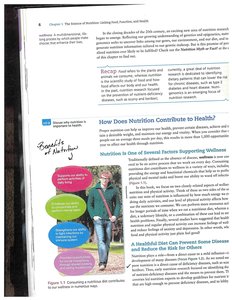
How Does Nutrition Contribute to Health?
Nutrition is one of several factors that support wellness, which is an overall state of health and well-being. A balanced diet can prevent some diseases and reduce the risk for others, such as cardiovascular disease, certain cancers, and type 2 diabetes.
Wellness: A multidimensional, lifelong process that includes physical, emotional, social, occupational, and spiritual health.
Benefits of good nutrition: Supports growth, maintenance, and repair of the body; reduces risk of disease; enhances quality of life.
Example: Consuming a nutrient-rich diet combined with physical activity supports optimal health.
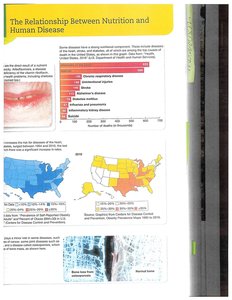
The Relationship Between Nutrition and Human Disease
Nutrition plays a critical role in the development, prevention, and management of many diseases. Some diseases are directly caused by nutrient deficiencies, while others are influenced by dietary patterns.
Deficiency diseases: Caused by lack of essential nutrients (e.g., scurvy, pellagra).
Chronic diseases: Influenced by diet, such as heart disease, stroke, diabetes, and certain cancers.
Geographic and demographic factors: Disease prevalence can vary by region and population due to dietary habits.
Healthy People 2020: Nutrition-Related Goals for the United States
Healthy People 2020 is a set of health objectives for the nation, including goals to improve nutrition and reduce the prevalence of nutrition-related diseases. These objectives guide public health policies and programs.
Key goals: Increase quality and years of healthy life, eliminate health disparities, promote healthy behaviors, and create supportive environments.
Examples: Reducing obesity rates, increasing fruit and vegetable intake, and promoting physical activity.
What Are Nutrients?
Nutrients are substances in foods that are required by the body for energy, growth, maintenance, and regulation of bodily processes. They are classified as macronutrients and micronutrients.
Macronutrients: Needed in large amounts; include carbohydrates, lipids (fats), and proteins.
Micronutrients: Needed in smaller amounts; include vitamins and minerals.
Water: Essential for all body functions and considered a vital nutrient.
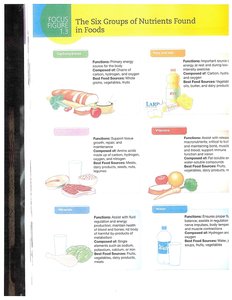
The Six Groups of Nutrients Found in Foods
Foods contain six classes of nutrients, each with specific functions in the body.
Nutrient | Primary Function | Major Food Sources |
|---|---|---|
Carbohydrates | Provide energy | Breads, cereals, fruits, vegetables |
Lipids (Fats and Oils) | Provide energy, support cell structure | Oils, butter, nuts, meats |
Proteins | Support tissue growth, repair, and maintenance | Meats, dairy, legumes, grains |
Vitamins | Regulate body processes | Fruits, vegetables, dairy, meats |
Minerals | Regulate body processes, build body structures | Dairy, meats, fruits, vegetables |
Water | Supports all body functions | Water, beverages, fruits, vegetables |
Macronutrients Provide Energy
Macronutrients are the primary source of energy for the body. The energy content of food is measured in kilocalories (kcal).
Carbohydrates: 4 kcal/g
Proteins: 4 kcal/g
Lipids: 9 kcal/g
Alcohol (not a nutrient): 7 kcal/g
Formula for calculating energy from food:
Micronutrients and Water
Micronutrients, including vitamins and minerals, are essential for regulating physiological processes. Water is vital for all bodily functions, including temperature regulation, transport of nutrients, and waste removal.
Mineral | Physiological Function |
|---|---|
Calcium | Bone health, muscle function |
Phosphorus | Bone health, energy metabolism |
Magnesium | Muscle and nerve function |
Sodium | Fluid balance, nerve transmission |
Potassium | Fluid balance, muscle contraction |
Chloride | Fluid balance, stomach acid production |

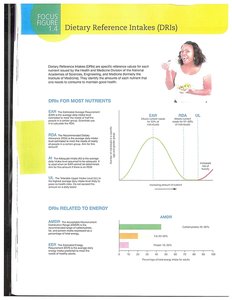
Dietary Reference Intakes (DRIs)
Dietary Reference Intakes (DRIs) are a set of reference values used to plan and assess nutrient intakes of healthy people. They include several different types of recommendations:
Estimated Average Requirement (EAR): Average daily intake level estimated to meet the needs of half the healthy individuals in a group.
Recommended Dietary Allowance (RDA): Average daily intake level sufficient for nearly all (97–98%) healthy individuals.
Adequate Intake (AI): Recommended intake based on observed or experimentally determined estimates.
Tolerable Upper Intake Level (UL): Maximum daily intake unlikely to cause adverse health effects.
Acceptable Macronutrient Distribution Range (AMDR): Range of intake for energy-yielding nutrients associated with reduced risk of chronic disease.
Assessing Nutritional Status
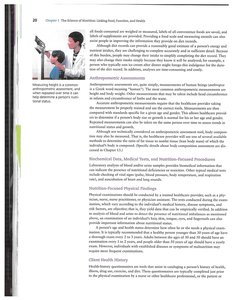
Nutrition professionals use a variety of methods to assess an individual's nutritional status, which is critical for identifying malnutrition and planning interventions. The five domains of nutritional status assessment are:
Food/Nutrition-Related History: Dietary intake, food preferences, and eating patterns.
Anthropometric Measurements: Height, weight, BMI, and body composition.
Biochemical Data: Laboratory tests of blood, urine, or tissues.
Nutrition-Focused Physical Findings: Physical signs of nutrient deficiencies or excesses.
Client Health History: Medical, social, and family history relevant to nutrition.
Interpreting Nutrition Research
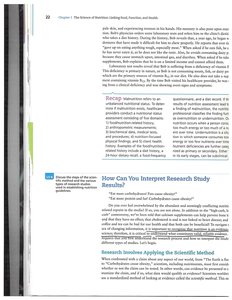
Nutrition research relies on the scientific method to generate reliable knowledge. Understanding research design and methodology is essential for evaluating nutrition claims and making evidence-based recommendations.
Scientific method steps: Observation, hypothesis, experiment, analysis, and theory development.
Types of research studies: Epidemiological studies, animal studies, clinical trials.
Evaluating evidence: Consider study design, sample size, control of variables, and reproducibility.
Evaluating Nutrition Information and Claims
Critical thinking is required to assess the credibility of nutrition information, especially from online sources. Reliable information is based on scientific evidence, peer-reviewed research, and expert consensus.
Check for bias and conflict of interest: Consider funding sources and potential for commercial influence.
Assess the quality of sources: Prefer government, academic, and peer-reviewed publications.
Evaluate website credibility: Look for author credentials, references, and evidence-based content.
Summary
Nutrition science is foundational for understanding how food affects health, preventing disease, and promoting wellness. Mastery of basic concepts, nutrient functions, dietary recommendations, and research evaluation is essential for students and professionals in the field of nutrition.
