 Back
BackInfection and Infectious Diseases: Pathogens, Transmission, and Public Health
Study Guide - Smart Notes
 Tailored notes based on your materials, expanded with key definitions, examples, and context.
Infection and Infectious Diseases
Introduction to Infection and Infectious Diseases
Infectious diseases are caused by pathogenic microorganisms such as bacteria, viruses, fungi, and parasites. These diseases can spread directly or indirectly from one individual to another and may result in outbreaks, epidemics, or pandemics. Understanding the types of pathogens, their modes of transmission, and prevention strategies is essential for personal and public health.
Infection: The invasion and multiplication of pathogens in the body, leading to tissue damage and immune response.
Infectious Disease: A disease caused by the presence and activity of a pathogenic agent.
Emerging Infectious Diseases: Diseases whose incidence is increasing or threatens to increase soon (e.g., COVID-19, SARS, Ebola).
Re-emerging Infectious Diseases: Previously controlled diseases that are again becoming significant health problems.
Pandemic: A global outbreak of an infectious disease.
Epidemic: A sudden increase in the number of cases of a disease above what is normally expected in a population.
Endemic: The constant presence of a disease within a geographic area.
Superbugs: Pathogens resistant to multiple antibiotics.
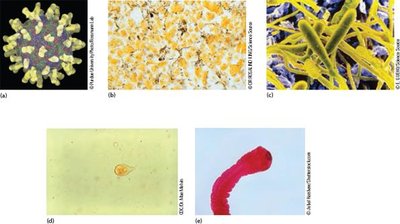
Factors Contributing to Emerging and Re-emerging Infections
Several factors contribute to the rise and spread of infectious diseases, including:
Drug resistance (e.g., antibiotic resistance)
Poverty and limited access to healthcare
Breakdown of public health measures
Global travel and commerce
Mass food production and distribution
Human behaviors (e.g., vaccine hesitancy, risky sexual practices)
Bioterrorism
Major Types of Pathogens
Viruses
Viruses are microscopic infectious agents that require a host cell to replicate. They are responsible for a wide range of diseases, from the common cold to more severe illnesses like COVID-19 and HIV/AIDS.
Common viral infections: Common cold, influenza, COVID-19, hepatitis, HPV, viral encephalitis, poliomyelitis, rabies.
Pathogenicity: The ability of a microbe to cause disease.
Virulence: The degree to which a pathogen can overcome host defenses.
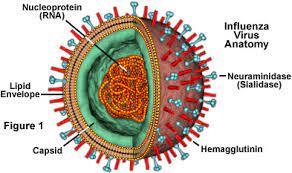
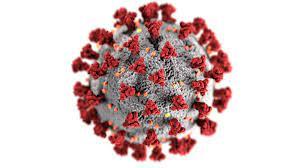
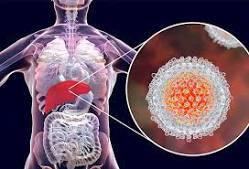
Hepatitis Viruses
Hepatitis viruses cause inflammation of the liver and are classified into several types (A-E), each with distinct transmission routes and risk factors.
Hepatitis A & E: Fecal-oral route (contaminated food/water)
Hepatitis B, C, D: Bloodborne, sexual contact, mother-to-child
HIV/AIDS
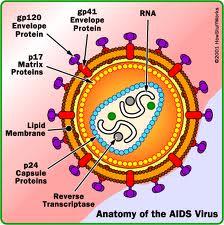
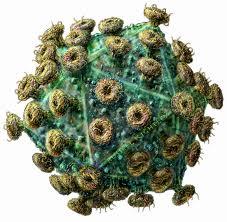
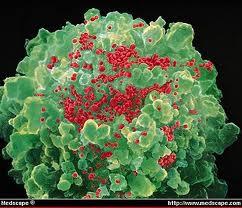
Human Immunodeficiency Virus (HIV) attacks the immune system, specifically CD4+ T cells, leading to Acquired Immunodeficiency Syndrome (AIDS). HIV is unique due to its immune evasion, genetic mutation, and latency.
Transmission: Blood, semen, vaginal/cervical secretions, breast milk
Opportunistic infections: Pneumocystis jiroveci, cytomegalovirus, Kaposi’s sarcoma
Not transmitted through casual contact
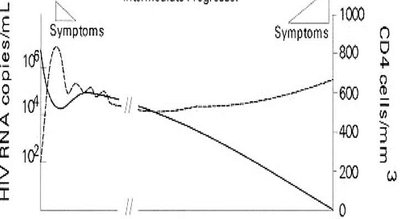
HIV Disease Progression
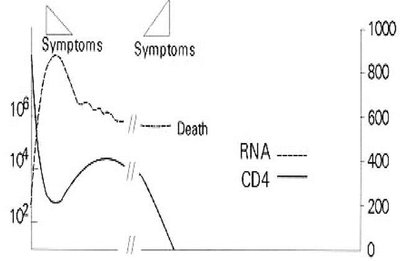
The progression of HIV infection varies among individuals, with some progressing rapidly to AIDS, others more slowly, and a few remaining long-term non-progressors.
Key markers: HIV RNA copies/mL, CD4 T cell count
Highly functional HIV-specific CD8+ cells are associated with slower disease progression.

Bacteria
Bacteria are single-celled organisms that can cause a variety of diseases. Some are beneficial, but pathogenic bacteria can lead to infections such as strep throat, tuberculosis, and sexually transmitted infections.
Common bacterial infections: Strep throat, salmonella, tuberculosis, pertussis, chlamydia, gonorrhea, UTIs, E. coli, C. difficile, pneumonia, meningitis, tetanus, Lyme disease.
Symptoms: Vary by infection site (skin, respiratory, gastrointestinal, CNS, etc.)
Antibiotic Treatments and Resistance
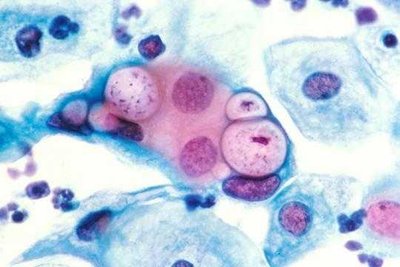
Antibiotics are drugs that kill or inhibit the growth of bacteria. However, misuse and overuse have led to antibiotic resistance, where bacteria survive despite antibiotic treatment.
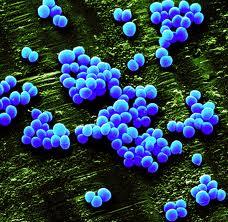
Superbugs: Bacteria resistant to multiple antibiotics (e.g., MRSA, C. difficile, multidrug-resistant tuberculosis)
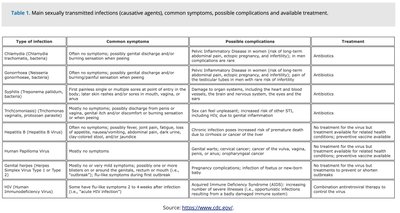
Sexually Transmitted Infections (STIs)
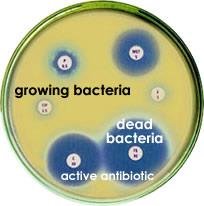
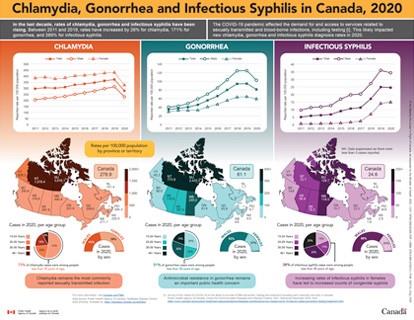
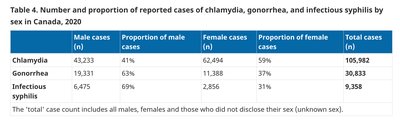
STIs are infections transmitted primarily through sexual contact. The most common bacterial STIs in Canada are chlamydia, gonorrhea, and syphilis.
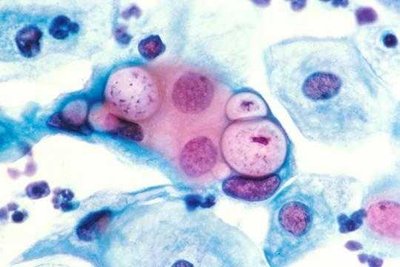
Chlamydia: Often asymptomatic; can cause pelvic inflammatory disease (PID) and infertility.
Gonorrhea: May be asymptomatic; can cause PID, urethritis, and increase HIV risk.
Syphilis: Characterized by chancre sores, flu-like symptoms, and can cause long-term complications if untreated.



Fungi
Fungi are eukaryotic organisms that can cause infections, especially in immunocompromised individuals. Common fungal infections include ringworm, athlete’s foot, and candidiasis.
Symptoms: Itchy skin, rashes, nail discoloration, vaginal itching, oral thrush.
Treatment: Topical or oral antifungal medications.
Parasites
Parasitic infections are caused by organisms such as protozoa and helminths. They are often transmitted through contaminated water, food, or vectors.
Common parasitic infections: Giardiasis, toxoplasmosis, hookworms, pinworms.
Symptoms: Diarrhea, abdominal pain, anemia, fatigue.
Treatment: Antiparasitic drugs, sometimes supportive care.
Prions
Prions are infectious proteins that cause neurodegenerative diseases such as Creutzfeldt-Jakob disease (CJD) and mad cow disease. These diseases are rare but fatal, with no cure.
Symptoms: Rapidly developing dementia, muscle stiffness, hallucinations.
Transmission and Prevention of Infectious Diseases
The Chain of Infection
Infectious diseases spread through a chain of events involving the infectious agent, reservoir, portal of exit, mode of transmission, portal of entry, and susceptible host. Breaking any link in this chain can prevent disease transmission.
Prevention strategies: Handwashing, vaccination, safe food handling, avoiding contact with sick individuals, using personal protective equipment (PPE), and maintaining a healthy immune system.
Social Aspects and Public Health
Social Determinants and Inequalities
Social factors such as poverty, access to healthcare, education, and living conditions significantly influence the risk and outcomes of infectious diseases. Addressing these determinants is crucial for health equity and effective disease control.
Summary Table: Main Sexually Transmitted Infections
Type of Infection | Common Symptoms | Possible Complications | Treatment |
|---|---|---|---|
Chlamydia (Chlamydia trachomatis) | Often no symptoms; possible genital discharge and burning sensation when peeing | Pelvic Inflammatory Disease, infertility, ectopic pregnancy | Antibiotics |
Gonorrhea (Neisseria gonorrhoeae) | Often asymptomatic; possible genital discharge, pain | PID, infertility, increased HIV risk | Antibiotics |
Syphilis (Treponema pallidum) | Sores, rash, flu-like symptoms | Neurological, cardiovascular complications if untreated | Antibiotics |
Trichomoniasis (Trichomonas vaginalis) | Itching, burning, discharge | Increased HIV risk, pregnancy complications | Antibiotics |
Genital Herpes (Herpes simplex virus) | Painful blisters/ulcers | Recurrent outbreaks, neonatal herpes | Antivirals (no cure) |
HPV (Human papillomavirus) | Warts, often asymptomatic | Cervical, other cancers | Vaccination, treatment of warts |
HIV (Human immunodeficiency virus) | Flu-like symptoms, immune suppression | AIDS, opportunistic infections, cancers | Antiretroviral therapy (ART) |
Key Equations and Concepts
Basic Reproduction Number (R0): The average number of secondary cases produced by a single infection in a completely susceptible population.
Incidence Rate:
Prevalence Rate:
Conclusion
Understanding infectious diseases, their causative agents, transmission, and prevention is essential for personal and public health. Effective control requires a combination of medical, behavioral, and social interventions, as well as ongoing surveillance and research.
