 Back
BackEarth’s Internal Structure: Composition, Properties, and Evidence
Study Guide - Smart Notes
 Tailored notes based on your materials, expanded with key definitions, examples, and context.
Earth’s Internal Structure
Introduction to Earth’s Layers
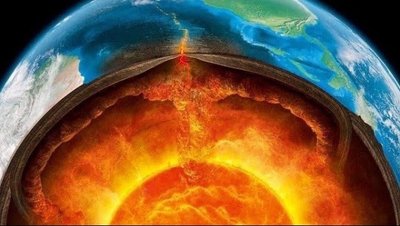
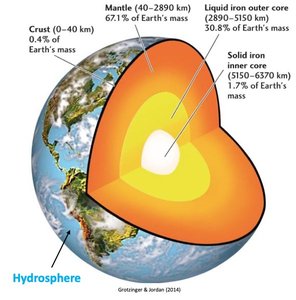
The Earth is composed of several distinct internal layers, each characterized by unique physical and chemical properties. Understanding these layers is fundamental to geophysics and planetary science, as it explains many geological phenomena and the planet’s overall behavior.
Crust: The thin, rocky outermost layer where all terrestrial life exists. It is analogous to the skin of an apple in terms of relative thickness.
Mantle: A thick, solid but mobile layer beneath the crust, making up the majority of Earth’s mass.
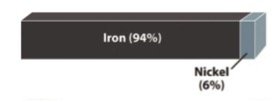
Core: Composed of a liquid outer core and a solid inner core, primarily made of iron and nickel.

How Are Earth’s Internal Layers Defined?
Chemical and Physical Properties
Earth’s layers are defined by both their chemical composition and mechanical (physical) properties. These distinctions are crucial for understanding the planet’s structure and dynamics.
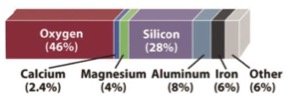
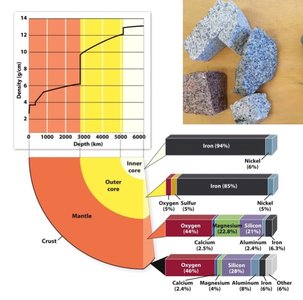
Chemical Composition: Each layer contains different elements and minerals. For example, the crust is rich in oxygen, silicon, aluminum, and other lighter elements, while the core is dominated by iron and nickel.
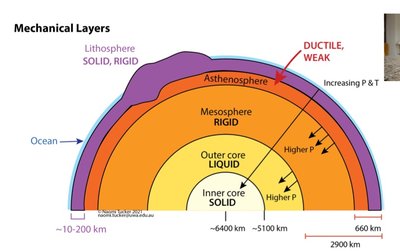
Physical State: The crust and mantle are solid (though the mantle can flow slowly), the outer core is liquid, and the inner core is solid.
Density: Density increases with depth due to higher concentrations of heavier elements like iron (Fe) and nickel (Ni).
Compositional Layers
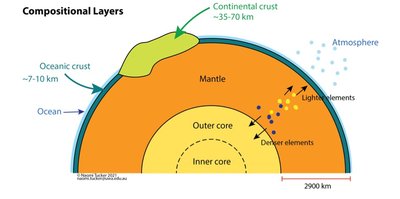
The main compositional layers are:
Crust: Divided into oceanic (denser, thinner) and continental (less dense, thicker) crust.
Mantle: Composed mainly of silicate minerals rich in magnesium and iron.
Core: Mostly iron, with some nickel and lighter elements.
Mechanical Layers
Earth’s interior is also divided based on mechanical strength and behavior under stress:
Lithosphere: The rigid outer layer, including the crust and uppermost mantle.
Asthenosphere: A ductile, weak layer beneath the lithosphere that can flow slowly.
Mesosphere: The more rigid lower mantle.
Outer Core: Liquid, responsible for generating Earth’s magnetic field.
Inner Core: Solid due to immense pressure.
Examples and Applications
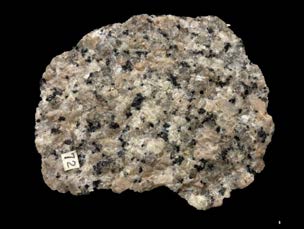
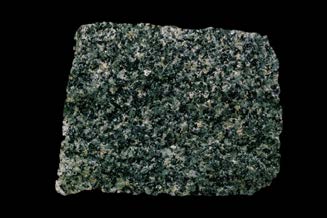
Granite and Gabbro: Common rocks representing continental and oceanic crust, respectively.
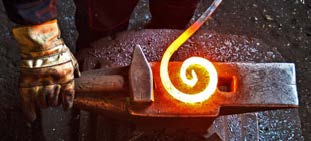
Iron’s Behavior: Iron is rigid when cold but becomes ductile when hot, illustrating how temperature and pressure affect mechanical properties.
How Do We Know What Earth’s Interior Is Like?
Direct Observations
Direct evidence of Earth’s interior is limited due to the extreme conditions at depth. However, some information is obtained from:
Deep Drilling: The Kola Superdeep Borehole reached depths of about 12 km, providing samples from the continental crust.
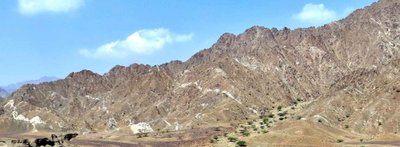
Ophiolites: Sections of oceanic lithosphere uplifted to the surface, exposing mantle and crustal rocks.
Indirect Evidence
Most knowledge about Earth’s interior comes from indirect methods:
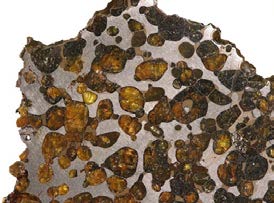
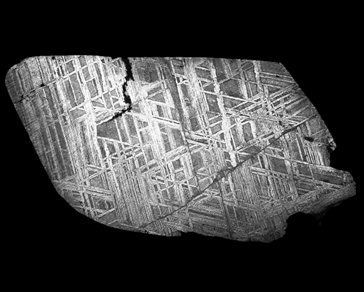
Meteorites: Represent the building blocks of the early Earth and provide clues about the composition of the core and mantle.
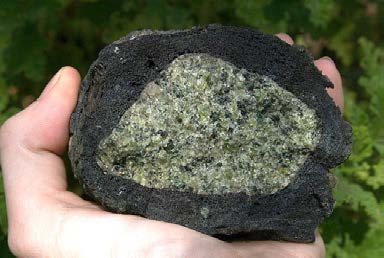
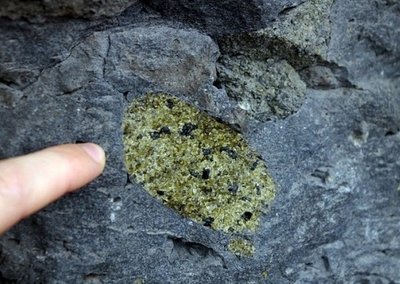
Volcanic Rocks: Mantle materials brought to the surface by volcanic eruptions (e.g., peridotite nodules in basalt).
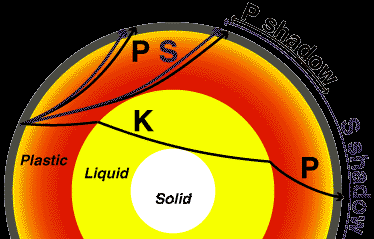
Seismic Waves: The behavior of seismic waves generated by earthquakes reveals the structure and properties of internal layers. S-waves cannot travel through liquids, creating shadow zones, while P-waves are refracted at layer boundaries.
Summary Table: Composition of Earth’s Layers
Layer | Main Elements | Physical State | Density (approx.) |
|---|---|---|---|
Crust | O, Si, Al, Fe, Ca, Na, K, Mg | Solid | 2.7–3.0 g/cm3 |
Mantle | O, Mg, Si, Fe | Solid (ductile) | 3.4–5.6 g/cm3 |
Outer Core | Fe, Ni, S, O | Liquid | 9.9–12.2 g/cm3 |
Inner Core | Fe, Ni | Solid | 12.8–13.1 g/cm3 |
Key Take-Away Concepts
Earth’s interior is layered, with each layer having distinctive chemical and mechanical characteristics.
Indirect evidence (seismic waves, mantle rocks, meteorites) is crucial for understanding the deep Earth.
Direct observations are limited to rare exposures of deep crustal and mantle rocks.
