 Back
BackEnergy Types, Transformations, and Sources – Physics Study Guide
Study Guide - Smart Notes
 Tailored notes based on your materials, expanded with key definitions, examples, and context.
Q1. Energy of motion is also known as ________kinetic__.
Background
Topic: Kinetic Energy
This question is testing your understanding of the term used for energy associated with moving objects.
Key Terms:
Kinetic Energy: The energy an object possesses due to its motion.
Step-by-Step Guidance
Recall that energy can be categorized as either kinetic or potential.
Kinetic energy is specifically related to objects that are moving.
Think about examples like a moving car or a rolling ball—what kind of energy do they have?
Try solving on your own before revealing the answer!
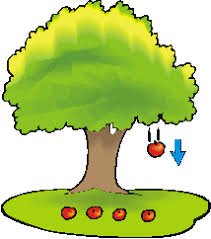
Q2. Energy stored by position above the Earth’s surface is ____potential______.
Background
Topic: Gravitational Potential Energy
This question is about the type of energy an object has due to its height above the ground.
Key Terms:
Potential Energy: Energy stored due to position or configuration.
Gravitational Potential Energy: Energy stored because of an object's position relative to Earth.
Step-by-Step Guidance
Consider what happens when you lift an object higher above the ground.
The energy is stored due to its height and can be released if it falls.
Recall the formula for gravitational potential energy: where is mass, is gravity, and is height.
Try solving on your own before revealing the answer!
Q3. energy
Background
Topic: Definition of Energy
This question is testing your understanding of the basic definition of energy in physics.
Key Terms:
Work: The transfer of energy by a force acting over a distance.
Energy: The capacity to do work.
Step-by-Step Guidance
Think about what is required to move an object or cause a change.
Energy is what enables work to be done.
Recall the relationship: (work equals force times distance).
Try solving on your own before revealing the answer!
Q4. Energy is measured in this __________.
Background
Topic: Units of Energy
This question is about the standard unit used to measure energy in physics.
Key Terms:
Joule (J): The SI unit of energy.
Step-by-Step Guidance
Recall the unit for work and energy in the International System of Units (SI).
Think about how energy is quantified in equations like .
Try solving on your own before revealing the answer!
Q5. Energy stored when something is stretched or compressed is __________.
Background
Topic: Elastic Potential Energy
This question is about the energy stored in objects like springs or rubber bands when they are stretched or compressed.
Key Terms:
Elastic Potential Energy: Energy stored in elastic materials as a result of their stretching or compressing.
Step-by-Step Guidance
Think about what happens when you stretch a rubber band or compress a spring.
The energy is stored and can be released when the object returns to its original shape.
Recall the formula for elastic potential energy: where is the spring constant and is the displacement.
Try solving on your own before revealing the answer!

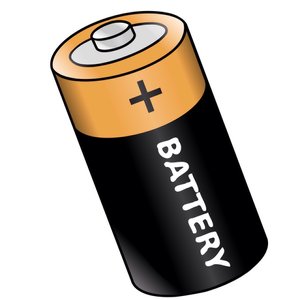
Q6. Energy stored in chemical bonds of atoms is __________.
Background
Topic: Chemical Energy
This question is about the energy stored within the bonds of molecules and atoms.
Key Terms:
Chemical Energy: Energy stored in the bonds of chemical compounds.
Step-by-Step Guidance
Think about how batteries, food, and fuels release energy when their chemical bonds are broken.
Chemical energy is released during chemical reactions.
Try solving on your own before revealing the answer!
Q7. Energy stored due to the position of an object __________.
Background
Topic: Potential Energy
This question is about the general term for energy stored because of an object's position or configuration.
Key Terms:
Potential Energy: Energy stored due to position, such as height or configuration.
Step-by-Step Guidance
Recall that potential energy can be gravitational, elastic, or chemical.
Think about objects at rest in elevated positions or stretched/compressed states.
Try solving on your own before revealing the answer!
Q8–15. Identify the following as either Kinetic or Potential:
Background
Topic: Types of Energy
These questions ask you to classify examples as kinetic (energy of motion) or potential (stored energy).
Key Terms:
Kinetic Energy: Energy of moving objects.
Potential Energy: Energy stored due to position or state.
Step-by-Step Guidance
For each example, ask yourself: Is the object moving (kinetic) or is energy stored (potential)?
Examples: A bird flying (kinetic), a battery (potential), a stretched rubber band (potential), a spinning wheel (kinetic).
Use the definitions above to classify each item.
Try solving on your own before revealing the answer!
Q16–20. Label the type of kinetic energy each item has (Sound, Electrical, Thermal, Mechanical, Radiant).
Background
Topic: Forms of Kinetic Energy
These questions ask you to identify the specific type of kinetic energy present in various objects or systems.
Key Terms:
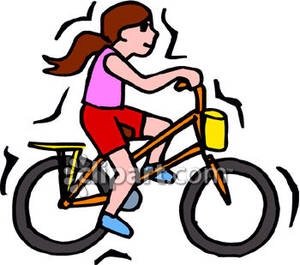
Mechanical Energy: Energy due to motion or position.
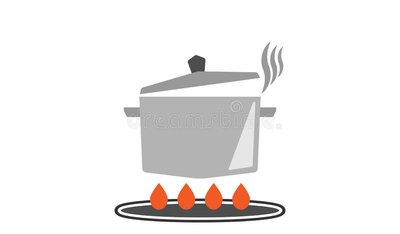
Thermal Energy: Energy due to the motion of particles (heat).
Electrical Energy: Energy due to the flow of electric charge.
Radiant Energy: Energy carried by electromagnetic waves (light).
Sound Energy: Energy carried by vibrations in a medium.
Step-by-Step Guidance
For each item, consider what kind of energy is most prominent (e.g., a hot plate produces thermal energy).
Think about the process or function of each item (e.g., a speaker produces sound energy).
Match the item to the correct energy type using the definitions above.
Try solving on your own before revealing the answer!



Q21. List the types of kinetic and potential energy.
Background
Topic: Classification of Energy Types
This question is about organizing different forms of energy into kinetic and potential categories.
Key Terms:
Kinetic Energy Types: Mechanical, Electrical, Thermal, Radiant, Sound
Potential Energy Types: Chemical, Nuclear, Gravitational, Elastic
Step-by-Step Guidance
Review the definitions and examples of each energy type.
Sort each energy type into kinetic (motion-based) or potential (stored).
Use the provided word bank and your notes to complete the lists.
Try solving on your own before revealing the answer!
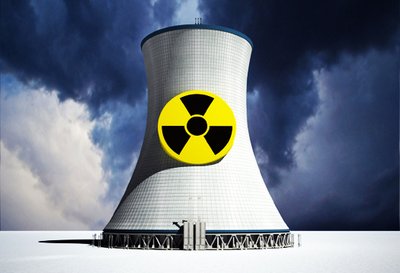
Q22–30. Label each type of energy as Renewable (R) or Non-renewable (N).
Background
Topic: Energy Resources
This question is about distinguishing between renewable and non-renewable energy sources.
Key Terms:
Renewable Energy: Can be replenished naturally in a short period.
Non-renewable Energy: Cannot be replenished quickly; takes millions of years.
Step-by-Step Guidance
Review the definitions of renewable and non-renewable energy.
For each energy source, decide if it can be replenished quickly or not.
Label accordingly using (R) or (N).
Try solving on your own before revealing the answer!

Q31–43. Fill in the correct word(s) for each definition (Word Bank provided).
Background
Topic: Energy Vocabulary and Concepts
These questions test your knowledge of energy-related terms and their definitions.
Key Terms:
Renewable, Fossil Fuels, Hydropower, Geothermal, Solar, Wind, Bioenergy, Conservation, Conservation of Energy
Step-by-Step Guidance
Read each definition carefully and match it to the correct term from the word bank.
Use context clues and your knowledge of energy sources and processes.
For questions about processes (e.g., fossil fuel formation), recall the conditions needed (heat, pressure, time).
Try solving on your own before revealing the answer!
Q44–47. Complete the energy transformations for each item.
Background
Topic: Energy Transformations
These questions ask you to identify the type of energy transformation occurring in various objects or systems.
Key Terms:
Chemical Energy: Stored in food or fuel.
Mechanical Energy: Motion or position.
Heat (Thermal) Energy: Due to particle motion.
Electrical Energy: Flow of charge.
Solar Energy: Energy from the sun.
Step-by-Step Guidance
For each item, identify the starting form of energy and the form it is transformed into.
Use the word bank to fill in the correct energy types.
Think about the process (e.g., a lightbulb transforms electrical energy into light and heat).
Try solving on your own before revealing the answer!



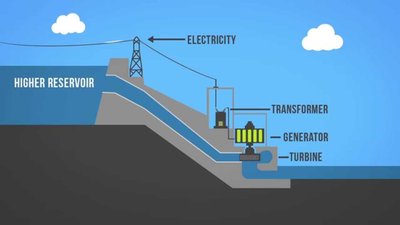
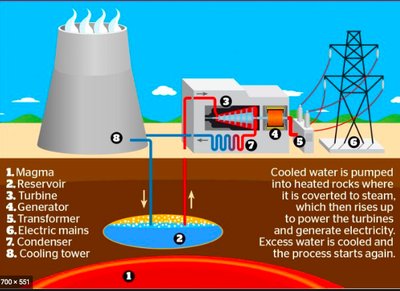
Q48–51. Identify the type of energy shown or being converted in each diagram.
Background
Topic: Energy Conversion and Power Generation
These questions ask you to recognize the type of energy or the process of energy conversion in diagrams and pictures.
Key Terms:
Solar Energy, Geothermal Energy, Hydropower, Wind Energy
Electricity Generation: Conversion of various energy forms to electrical energy.
Step-by-Step Guidance
Examine each diagram or picture and identify the main energy source.
Determine what type of energy is being harnessed or converted.
Use your knowledge of power plants and renewable energy systems.
Try solving on your own before revealing the answer!
Q52–58. True or False: Energy conversion, resource use, and environmental impact.
Background
Topic: Energy Conversion and Environmental Impact
These questions test your understanding of energy conversion, resource sustainability, and environmental issues.
Key Terms:
Energy Conversion: Changing energy from one form to another.
Renewable vs. Non-renewable Resources
Environmental Impact: Effects of energy use on the environment.
Step-by-Step Guidance
Read each statement and decide if it aligns with scientific facts about energy and resources.
Consider the sustainability and environmental impact of each resource.
Use your knowledge of energy conversion and resource management.
Try solving on your own before revealing the answer!
Q59–64. Define conduction, convection, and radiation and give an example of each.
Background
Topic: Heat Transfer Mechanisms
This question is about the three main ways heat is transferred: conduction, convection, and radiation.
Key Terms:
Conduction: Transfer of heat through direct contact.
Convection: Transfer of heat by movement of fluids.
Radiation: Transfer of heat by electromagnetic waves.
Step-by-Step Guidance
Define each term using your textbook or notes.
Think of a real-world example for each (e.g., conduction: metal spoon in hot soup).
Write the definition and example for each mechanism.
Try solving on your own before revealing the answer!
