 Back
Potential Energy, Mechanical Energy Conservation, and Springs
Study Guide - Smart Notes
 Tailored notes based on your materials, expanded with key definitions, examples, and context.
Potential Energy
Definition and Properties
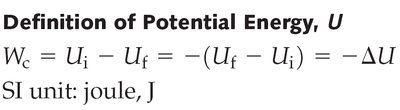
Potential energy is a function of position, denoted as U(x), associated with conservative forces. The difference in potential energy between two points, U(A) - U(B), equals the work done by a conservative force moving an object from point A to B. Each conservative force has its own potential energy function.
Definition: The work done by a conservative force is given by .
Energy Storage: Potential energy acts as stored energy, released as work when the force acts.
Sign Convention: If work done is positive, potential energy decreases; if negative, potential energy increases.
Zero Level: Only differences in potential energy are physically meaningful. The zero level can be chosen arbitrarily, e.g., .
SI Unit: Joule (J).
Conservation of Mechanical Energy
Mechanical Energy and Its Conservation
The total mechanical energy E of a system is the sum of all potential energies and kinetic energy. Mechanical energy is conserved if only conservative forces act on the system.
Mechanical Energy:
Non-Mechanical Energy: Heat, chemical bond energy, atomic energy are not considered mechanical energy.
Conservation Law: If only conservative forces act, .
Non-Conservative Forces: If non-conservative forces (e.g., friction, air resistance) act, mechanical energy is not conserved.
Work-Energy Relations:
Total work by net force changes kinetic energy:
Work by conservative forces changes potential energy:
Work by non-conservative forces changes total mechanical energy:
Nonconservative Forces
Effects on Mechanical Energy
Nonconservative forces, such as friction, air resistance, and engines, convert mechanical energy into other forms (thermal, chemical, nuclear). When these forces do net work, mechanical energy changes.
Examples: Motor running, friction, air resistance.
Energy Conversion: Mechanical energy is converted to heat, chemical, or nuclear energy.
Zero Net Work: If the net non-conservative force is zero, mechanical energy remains unchanged.
Example: A car moving at constant speed on a road with friction; energy from fuel is converted to heat.
Work and Mechanical Energy: Summary
Key Equations and Relationships
General Energy Conservation Law
Extension Beyond Mechanical Energy
The principle of energy conservation extends to all forms of energy: mechanical, thermal, chemical, electrical, and nuclear. Energy cannot be created or destroyed, only transformed between forms. Conservative forces conserve mechanical energy, while non-conservative forces convert it to other forms.
Closed System: Total energy is conserved if the system is closed and all energy forms are accounted for.
Storage and Retrieval: Some forms (e.g., spring, battery, gravitational) are easily stored and retrieved; others (e.g., heat from friction) are not.
Potential Energy of a Spring
Spring Force and Energy Storage
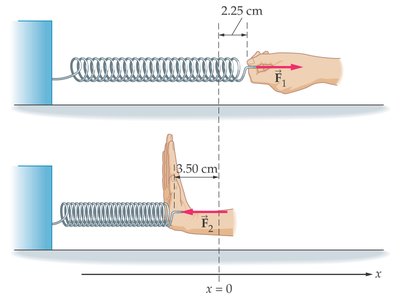
Springs are classic examples of systems with potential energy. The work done by the spring force is negative when stretching or compressing, leading to an increase in potential energy.
Work by Spring Force:
Potential Energy Function:
Conservative Nature: The spring force is conservative; potential energy increases as the spring is stretched or compressed from equilibrium.
Comparing Stretched and Compressed Springs
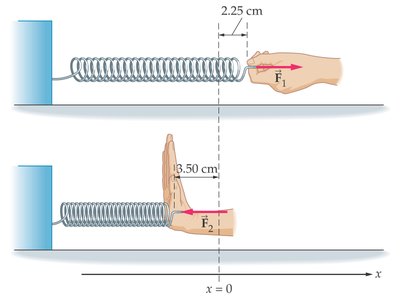
When the equilibrium position is set as , the potential energy for both stretched and compressed states is positive, as it depends on the square of displacement.
Stretched:
Compressed:
Direction: The spring force always acts opposite to displacement, increasing potential energy.
Worked Examples
Example 1: Rock Thrown Vertically Up
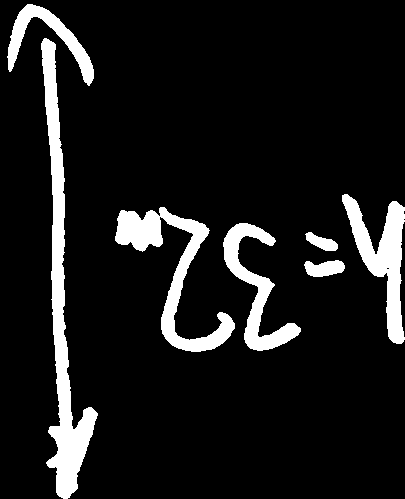
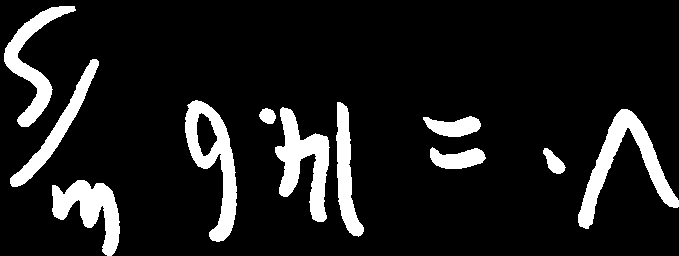
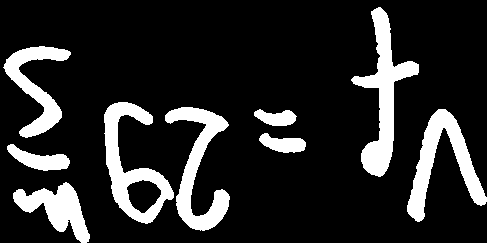
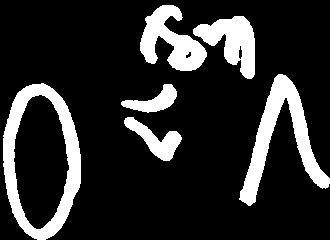
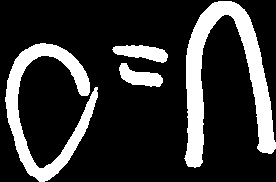
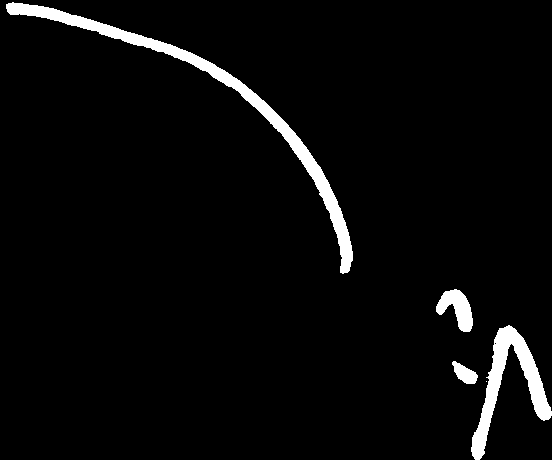
A 0.26-kg rock is thrown vertically upward from a 32 m high cliff. When it hits the ground, its speed is 29 m/s. Air resistance is ignored.
Find:
Initial speed of the rock
Greatest height reached (from cliff base)
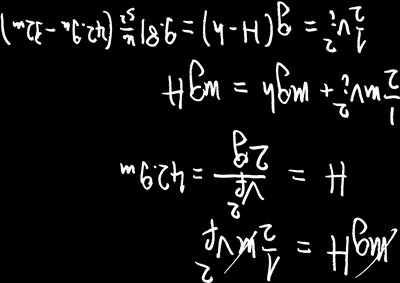
Method: Use conservation of mechanical energy:
Equations:

Example 2: Ski Jump
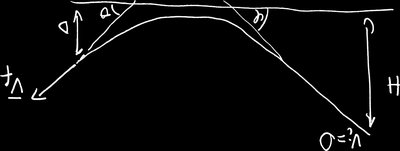
A skier starts at rest from the top of a ski ramp. The vertical height from the top to the lowest point is H, and the height at the end of the ramp is D. The ramp angles are φ and θ. Derive an expression for the skier's speed when leaving the ramp, assuming no friction.
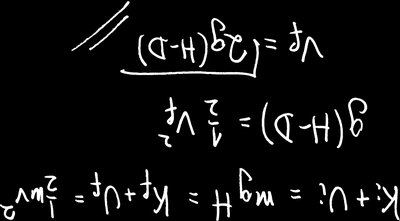
Method: Apply conservation of mechanical energy.
Equations:
Solving for :
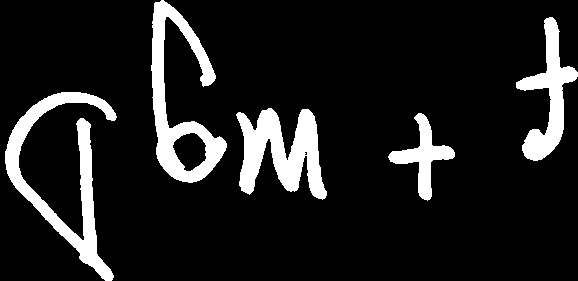
Example 3: Block Attached to Spring
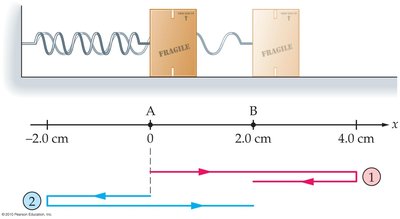
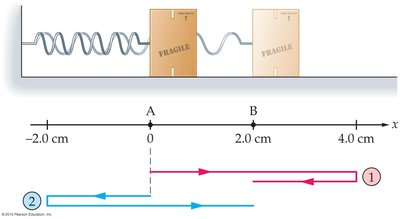
A 4.1-kg block is attached to a spring with force constant 550 N/m. Find the work done by the spring as the block moves from A to B along different paths, and discuss dependence on block mass.
Spring Force:
Work Calculation:
Path Independence: The work done by the spring depends only on the endpoints, not the path.
Mass Dependence: The work done by the spring does not depend on the mass of the block.
Summary Table: Work and Energy Relationships
Type of Work | Energy Changed | Equation |
|---|---|---|
Net Work | Kinetic Energy | |
Conservative Force Work | Potential Energy | |
Nonconservative Force Work | Total Mechanical Energy |
